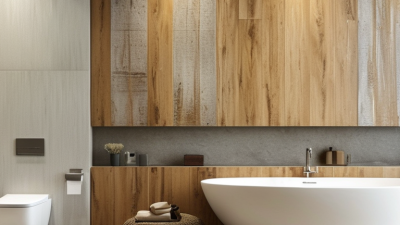
Choosing Bathroom Ceiling Cladding in 2026 requires more than matching a stylish finish to your tiles. The ceiling faces constant humidity, condensation, heat, and occasional cleaning chemicals. A beautiful panel can still fail if moisture reaches its joints or supporting battens. This guide examines practical choices for durability, appearance, installation, and long-term maintenance.
In real bathroom renovations, ventilation often determines success. Even water-resistant Bathroom Ceiling Cladding needs a properly sized extractor and sensible airflow. Look closely at panel thickness, joint design, fire performance, cleaning requirements, and compatibility with recessed lights. PVC, waterproof laminate, and specialist composite panels each have strengths. PVC is usually lightweight and easy to wipe, while composite products may offer a more solid appearance. However, product claims deserve careful checking. “Waterproof” does not always mean suitable for every ceiling condition.
Small details matter.
Measure around pipes, vents, and light fittings before ordering materials. Confirm that adhesives, fixings, and sealants suit humid interiors. Always follow the manufacturer’s installation instructions and check local building and electrical requirements. Professional advice is especially valuable where the ceiling has poor ventilation, existing mould, or structural movement. A rushed installation may look acceptable for a month, then reveal swollen edges or darkened joints. That possibility should shape your budget. The best choice balances design, performance, maintenance, and realistic installation conditions, rather than following a short-lived trend.
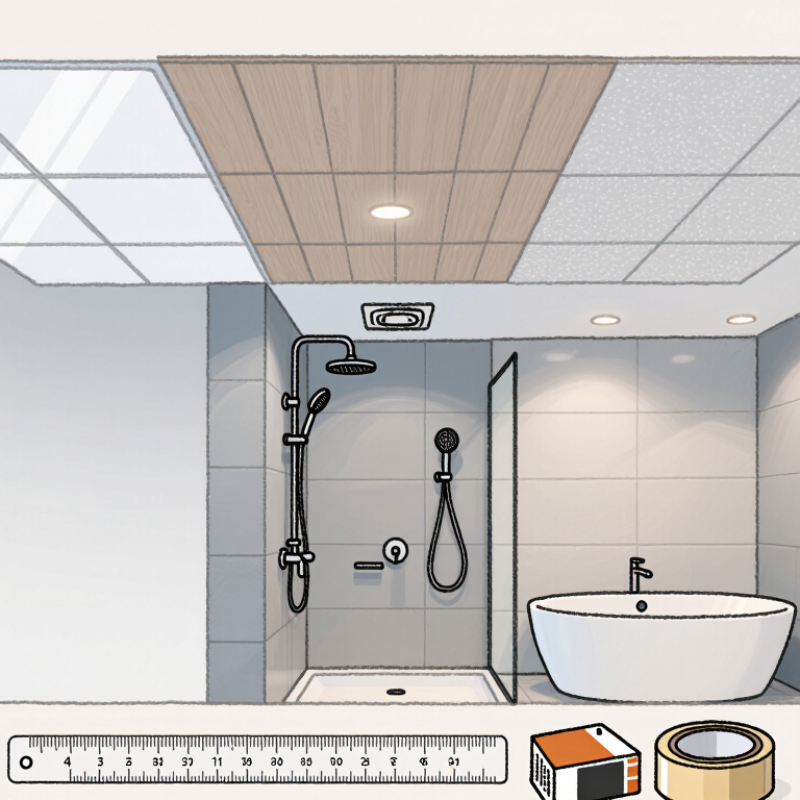
Bathroom ceiling cladding is more than a decorative surface. It creates a washable barrier above showers, where warm vapor meets cooler ceilings. The U.S. Environmental Protection Agency’s Moisture Control Guidance recommends indoor relative humidity between 30% and 50%. Bathrooms can exceed that range quickly without effective extraction. Choose panels with sealed surfaces, moisture resistance, and easy cleaning. Smooth finishes leave fewer places for soap film and mildew to collect.
The main benefits include faster installation, simpler maintenance, and better resistance to everyday humidity than painted plasterboard. However, waterproof should not mean maintenance-free. Cladding still needs sealed joints, compatible trims, and a stable substrate. ASHRAE Standard 62.2 lists 50 cubic feet per minute for intermittent bathroom exhaust, or 20 cubic feet per minute for continuous operation. Check the fan, duct route, and external discharge before choosing materials. A ceiling panel cannot repair poor ventilation. That assumption is risky.
For 2026 projects, assess fire performance, VOC emissions, cleanability, impact resistance, and service access. Request independent test documents, installation tolerances, and clear warranty conditions. The European Commission’s Level(s) framework also supports life-cycle assessment and durability thinking. I have seen inexpensive panels become costly after swollen edges appeared. Not always. Yet premium specifications are not automatically necessary. Match performance to splash exposure, cleaning chemicals, and maintenance habits. Leave access for pipes, wiring, and future inspections.
How to Choose Bathroom Ceiling Cladding in 2026?
Assess Moisture, Ventilation, and Bathroom Ceiling Conditions
Bathroom ceiling cladding should begin with moisture, not appearance. The U.S. Environmental Protection Agency recommends indoor relative humidity between 30% and 50%. Persistent condensation often signals poor extraction or a cold ceiling surface. Look for yellow stains, peeling paint, soft plaster, rusted fasteners, and darkened joints. A ceiling can appear clean while moisture remains trapped above it. That happened in a renovation I inspected.
Ventilation needs measured attention. ASHRAE Standard 62.2-2022 recommends bathroom exhaust of 50 cubic feet per minute intermittently, or 20 cubic feet continuously. Confirm the fan reaches that performance at the grille, not only on its packaging. The duct should discharge outdoors. It should not end in an attic or ceiling void. Short, smooth ducting usually performs better than long, crushed ducting. Airflow alone is not enough.
Check the existing ceiling before selecting panels. The substrate must be firm, dry, and reasonably level. Water-resistant cladding can manage splash and humid air, but it cannot repair a leaking roof or concealed mold. Choose a system with sealed joints and corrosion-resistant fixings. Avoid relying on silicone as the only drainage strategy. Honestly, a glossy finish can hide poor preparation. That is where many installations fail. The EPA’s Moisture Control Guidance for Building Design recommends correcting moisture sources before covering affected materials. Fresh cladding should not become a cover for an unresolved defect.
Use the comparison below to match ceiling cladding with humidity, ventilation performance, condensation exposure, cleaning requirements, and the existing ceiling condition.
| Ceiling Cladding Type | Moisture Resistance | Suitable Humidity Exposure | Condensation Tolerance | Typical Weight | Cleaning & Maintenance | Best Ceiling Conditions | Key Limitations | Overall Bathroom Suitability |
|---|---|---|---|---|---|---|---|---|
| PVC panels | Excellent Non-porous surface; does not absorb liquid water under normal use. |
High humidity, including frequently steamy bathrooms. | Very good Suitable where short-term surface condensation is common. |
Lightweight; commonly about 1.5–3.0 kg/m², depending on profile and thickness. | Wipe-clean with mild detergent. Inspect joints and sealants periodically. | Flat, sound, dry substrate or a properly aligned furring system. | Can deform near unshielded high-heat sources; joints require careful sealing to limit water entry behind panels. | Excellent |
| Powder-coated or anodized aluminum panels | Excellent Metal surface is non-absorbent; coating quality and edge protection are important. |
High humidity and regular shower use. | Very good Does not swell or sag from moisture when correctly installed. |
Light to medium; commonly about 3–7 kg/m², depending on panel construction. | Easy to wipe clean. Avoid abrasive cleaners that may damage the finish. | Suitable for level or suspended framing systems that can carry the panel load. | Cut edges, fasteners, and incompatible metals may be vulnerable to corrosion in aggressive environments. | Excellent |
| Fiber-cement panels | Good Moisture-resistant and dimensionally stable when edges and joints are detailed correctly. |
Moderate to high humidity; suitable for many residential bathrooms. | Good Performs well when the substrate remains sound and ventilation is adequate. |
Medium to heavy; commonly about 10–16 kg/m², depending on thickness. | Painted or finished surfaces may need periodic repainting. Keep joints sealed. | Rigid, well-supported framing with sufficient screw-holding capacity. | Heavier and harder to cut than plastic or metal panels; exposed edges can absorb moisture if left unfinished. | Good |
| Moisture-resistant gypsum board | Moderate Designed for humid interiors, but the gypsum core is not waterproof. |
Moderate humidity with effective ventilation; not preferred for persistently wet ceilings. | Moderate Repeated condensation can damage finishes, joints, and board edges. |
Medium; commonly about 7–10 kg/m² for 12.5 mm board. | Usually painted; repair and repainting may be required after moisture damage. | Dry, rigid, level framing with sealed joints and a suitable bathroom-rated finish. | Should not be used as a substitute for a waterproof ceiling system in areas exposed to direct water or chronic condensation. | Conditional |
| Mineral-fiber acoustic tiles | Limited Many standard tiles are porous and can stain, sag, or lose integrity in damp conditions. |
Low to moderate humidity only, unless specifically rated for humid locations. | Limited Not ideal for frequent steam or visible condensation. |
Lightweight; often about 2–5 kg/m², depending on tile thickness and grid system. | Replace stained or damaged tiles; avoid soaking during cleaning. | Dry, level, accessible suspended grid in a well-ventilated bathroom. | Acoustic performance and appearance can deteriorate when exposed to persistent moisture. | Usually unsuitable |
| Wood or wood-based panels | Moderate Requires moisture-stable construction, sealed faces, protected edges, and regular finish maintenance. |
Low to moderate humidity with reliable ventilation. | Moderate Repeated wetting and drying may cause movement, swelling, or joint opening. |
Medium; commonly about 6–12 kg/m², depending on panel type and thickness. | Use a damp cloth rather than excess water; renew protective coatings as required. | Dry, rigid, well-ventilated ceiling with movement allowances at joints. | More sensitive to leaks, prolonged condensation, and unsealed edges than non-porous materials. | Conditional |
How to Choose Bathroom Ceiling Cladding in 2026?
Bathroom ceiling cladding must handle steam, condensation, cleaning, and occasional leaks. Material choice matters more than appearance. The 2024 Global Construction Perspectives report identifies moisture management as a growing priority in building quality. PVC panels resist water and clean easily, but low-grade sheets may warp near hot lighting. Aluminium offers stronger dimensional stability and a sharper finish. It usually costs more. Fibre-cement boards provide a solid surface, yet they require careful sealing around joints and penetrations. I have seen attractive ceilings fail because installers ignored ventilation.
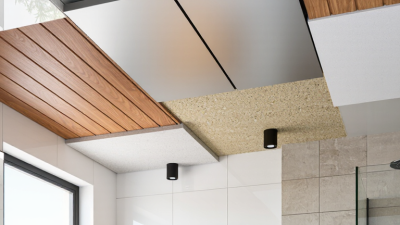
Finishes should support maintenance. Glossy surfaces reflect light but reveal water marks quickly. Satin textures hide minor flaws better. Use sealed trims, corrosion-resistant fixings, and compatible adhesives. ASHRAE Standard 62.2 recommends bathroom exhaust ventilation of 50 cubic feet per minute intermittently, or 20 continuously, in typical residential applications. That figure cannot replace site judgment. A large family bathroom may need more extraction. Installation also changes performance: direct fixing is fast, while a suspended frame helps correct uneven ceilings and allows service access. It can, however, reduce ceiling height.
Tips: Test a small panel first. Check colour under warm and cool lighting. Keep joints away from shower spray. Leave access near fans and wiring. Read the manufacturer’s fire and moisture data. I would also photograph hidden pipework before closing the frame; this small habit prevents expensive guesswork later. Some “waterproof” claims remain vague, so ask for test standards, not marketing language.
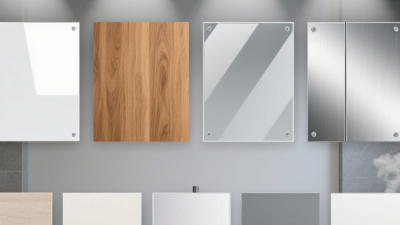
Comparison of common ceiling cladding materials, surface finishes, and installation methods.
Scores use a practical 1–5 scale based on typical material properties: 5 indicates stronger performance. PVC panels and aluminum composite panels are generally well suited to humid bathrooms because they are non-porous and easy to wipe clean. Fiber-cement and moisture-resistant gypsum board can provide painted or textured finishes, but they require careful sealing, ventilation, and more detailed installation. Direct fixing is usually fastest for lightweight panels, while battens or suspended grids help level uneven ceilings and simplify access for services.
Bathroom ceiling cladding must manage moisture without creating a hidden safety problem. Check its reaction-to-fire classification against local building requirements. Do not trust the word “waterproof” alone. Request test documents for water absorption, dimensional stability, and formaldehyde emissions. The U.S. Environmental Protection Agency advises drying wet materials within 24–48 hours to limit mould growth. Poorly sealed joints can defeat an otherwise suitable panel.
Maintenance is often overlooked. Choose a surface that tolerates mild cleaning products and allows easy access to ventilation equipment. Avoid deep grooves that trap soap residue and dust. The World Health Organization links persistent dampness and mould with respiratory symptoms in its Guidelines for Indoor Air Quality: Dampness and Mould. Ventilation matters as much as cladding. A beautiful ceiling still fails if condensation keeps returning.
Durability claims need evidence. Look for independent testing, warranty conditions, and performance data after repeated humidity changes. Environmental claims also deserve care. An Environmental Product Declaration, prepared under ISO 14025, reports a product’s life-cycle impacts; it does not automatically make the material sustainable. Check recycled content, repairability, transport distance, and disposal options. A low price may look attractive for six months. That is not durability. I would also question glossy finishes, because cleaning marks can appear quickly in real bathrooms.
How to Choose Bathroom Ceiling Cladding in 2026?
Your budget should guide the material, but moisture performance comes first. In a small bathroom, PVC panels can reduce costs and installation time. They are lightweight, washable, and suitable for many domestic projects. Aluminum panels offer stronger moisture resistance and a sharper appearance. However, they usually require a higher material budget. Fiber-cement boards can provide a solid surface, but they may need sealing and more careful cutting.
Measure the ceiling accurately before comparing prices. Include trims, fixings, sealant, waste, and labor. A cheap panel can become expensive after poor measurements. It happens often. Check the existing ceiling for damp patches, loose plaster, or weak framing. Cladding should not hide an active leak. Repair that problem first. Also review local fire and electrical requirements, especially around lights and ventilation equipment.
Project conditions matter as much as appearance. A rental bathroom may need a quick, removable system. A family bathroom may benefit from stronger panels and easier cleaning. Choose sealed joints in areas exposed to regular steam. Leave enough access for pipes, wiring, and future repairs. Glossy surfaces reflect light, but they also show condensation marks clearly. I would question any quote that excludes preparation work. That omission can distort the real budget. Consult an experienced installer when the ceiling is uneven, damaged, or unusually low.