Leave Your Message

What Is Bathroom Ceiling Cladding and Which Type Is Best?

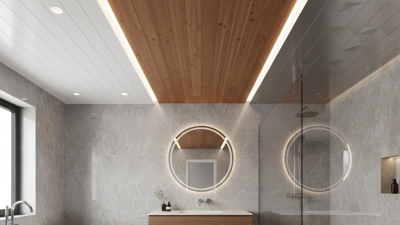
Bathroom Ceiling Cladding is a practical covering system designed to protect the ceiling from steam, splashes, condensation, and everyday bathroom moisture. It usually consists of lightweight panels made from PVC, acrylic, laminate, or composite materials. Unlike painted plasterboard, cladding creates a more continuous surface with fewer exposed joints. That detail matters above a shower.

Craig Phillips, a recognised UK home-improvement expert, explains the principle clearly: “A bathroom ceiling must resist moisture, not merely look waterproof.” His observation highlights an important mistake. A glossy finish does not guarantee a durable ceiling. The supporting surface, panel joints, ventilation, and installation quality all affect performance.

Some bathrooms feel damp within minutes. Warm air rises. It settles against the coldest surface, often the ceiling. Poor ventilation can then leave tiny beads of water around lights, corners, and panel seams. PVC panels are popular because they are lightweight, washable, and generally resistant to moisture. Acrylic offers a cleaner, more modern appearance, while laminate panels can provide stronger decorative variety. However, no material is automatically the best choice.

The right option depends on ceiling condition, budget, design preferences, fire-performance requirements, and installation skill. A cheap panel may look impressive in a showroom but feel weak during fitting. That is worth questioning. Sealed joints, suitable adhesive, and adequate extraction are not optional extras. They are part of the system.

This guide examines what Bathroom Ceiling Cladding is, how each material behaves, and which type suits different bathroom conditions. It also considers practical weaknesses, because even a good product can fail when moisture has nowhere to escape.
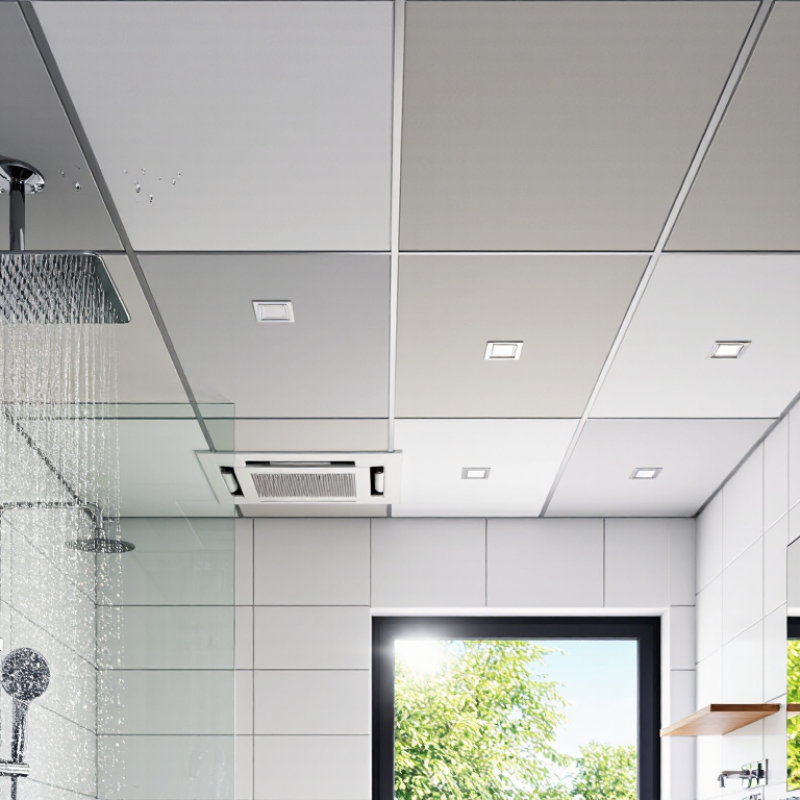
What Is Bathroom Ceiling Cladding and Which Type Is Best?

What Is Bathroom Ceiling Cladding and How Does It Work?

Bathroom ceiling cladding is a finished layer fixed beneath the existing ceiling. It usually uses moisture-resistant PVC, aluminium, or sealed composite panels. Unlike paint, cladding creates a continuous surface that limits water vapour contact with plasterboard. It is not a complete waterproofing system, though. The ceiling structure still needs sound materials and proper ventilation.

How does it work? Installers measure the ceiling, fit supporting battens, and leave space for cables, pipes, or insulation. Panels then lock together or overlap across the frame. Sealed joints help stop condensation entering the gaps. A clean cut around a light fitting matters. Small errors can allow moisture behind the panels.

PVC is lightweight, easy to clean, and practical for many family bathrooms. Aluminium handles heat and humidity well, but it may cost more and needs careful cutting. Composite panels can look warmer, although their core and surface coating require checking. In my experience, good preparation affects performance more than appearance. A perfectly fitted panel cannot repair a leaking roof or hidden plumbing.

Ventilation remains essential. Use an extraction fan that clears steam effectively, and inspect edges occasionally for staining or movement. A soft cloth and mild cleaner are usually safer than abrasive products. I would not install cladding over damp, crumbling, or mould-damaged surfaces without finding the cause first. That shortcut often creates a cleaner-looking problem.
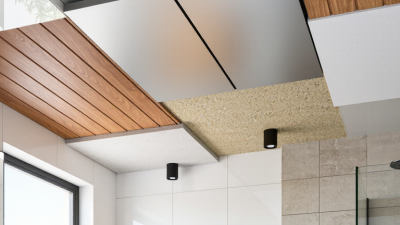
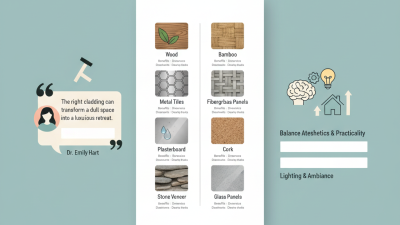
Which Materials Are Used for Bathroom Ceiling Cladding?

Bathroom ceiling cladding is a practical finish for controlling moisture, stains, and maintenance. The material matters more than appearance alone. According to the U.S. Environmental Protection Agency, indoor relative humidity should generally stay between 30% and 50%. Poor ventilation can still damage unsuitable ceiling boards.

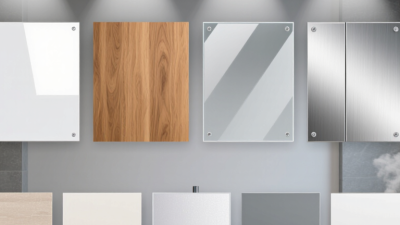
PVC panels are lightweight, waterproof, and easy to wipe clean. They suit rental bathrooms and quick renovations. However, low-quality PVC may discolor, soften, or look visibly artificial under strong lighting. Aluminum panels resist moisture and corrosion, especially in bathrooms with frequent hot showers. They also provide sharper joints, but they can transmit noise and feel less warm visually.

Moisture-resistant gypsum board offers a smooth, paintable surface. It works well when the ceiling needs a plastered appearance, although it still requires proper sealing and ventilation. Cement board is stronger and more stable near persistent moisture, but it is heavier and harder to cut. The World Health Organization links damp indoor conditions with mould-related health risks, so installation quality remains critical. Use corrosion-resistant fixings, seal penetrations, and leave access for electrical repairs. PVC is often the safest practical choice, but not always the best-looking one. Personally, I would inspect the ventilation before choosing any panel.

What Is Bathroom Ceiling Cladding and Which Type Is Best?

Bathroom ceiling cladding uses moisture-resistant panels to create a washable, durable ceiling surface. The chart compares typical thicknesses of commonly used materials.

PVC panels are lightweight, water-resistant, and easy to clean, making them a practical choice for most bathrooms. Aluminum is thin, durable, and highly resistant to moisture. Fiber-cement panels are thicker and rigid, while acrylic provides a smooth decorative finish but may require more careful handling. Actual thickness varies by construction specification.

How to Compare Waterproofing, Durability, and Maintenance

Bathroom ceiling cladding is a protective surface installed beneath the original ceiling. It can hide stains, wiring, and uneven plaster. More importantly, it must handle warm steam and repeated condensation. During bathroom renovations, I have found that attractive panels fail quickly when the joints are poorly sealed.

Waterproofing starts behind the cladding. A sound ceiling, suitable sealant, and carefully closed edges matter more than the panel alone. Rigid PVC panels resist moisture and are easy to cut around downlights. Aluminium panels handle heat well and feel more solid, but they can show dents. Water-resistant composite panels offer a warmer appearance, although their core and edge treatment require careful checking. No option forgives constant leaks.

Durability depends on ventilation, fixing quality, and cleaning habits. Inspect the ceiling after showers. Drips around a light fitting need urgent attention. Choose panels with stable joints and allow access to hidden pipes. Maintenance should involve a soft cloth and diluted, non-abrasive cleaner. Harsh chemicals may dull the finish or weaken sealants. I once underestimated a small gap near a wall; steam entered it, and the backing material later warped. That mistake changed my installation checklist. A practical test is simple: check every seam by touch, look for swelling, and confirm that the extractor removes moisture rather than merely making noise.

Which Ceiling Cladding Type Is Best for Different Bathrooms?

What Is Bathroom Ceiling Cladding and Which Type Is Best?

PVC ceiling panels suit most bathrooms because they resist splashes, clean easily, and remain relatively light. They work especially well above showers, where steam settles on the ceiling every day. Choose panels with sealed joints and a stable support frame. Cheap panels can sag or show seams over time. That detail is easy to miss.

Aluminium cladding is a stronger choice for busy family bathrooms or rooms with poor ventilation. It handles moisture well and offers a crisp, modern surface. It also tolerates regular cleaning better than many painted finishes. However, metal can make a small bathroom feel colder or noisier during heavy rain. Acoustic backing may help. Check the fixing system carefully.

Water-resistant composite panels suit bathrooms that need a smoother, more decorative ceiling. They are useful in larger rooms with good extraction and limited direct spray. For a compact shower room, I would prefer PVC or aluminium because their moisture performance is easier to verify. I once assumed every waterproof panel needed no ventilation. That was wrong. Condensation can still collect above the cladding, causing mould on hidden timber or plasterboard. Leave access for wiring, inspect the ceiling structure, and follow local fire and electrical requirements. Ask for tested moisture ratings, not just the word “waterproof.”

How to Choose and Install Bathroom Ceiling Cladding Safely

Bathroom ceiling cladding is a protective finish, not merely a decorative surface. PVC panels resist splashes and clean easily, while aluminum panels offer stronger fire and impact performance. Moisture-resistant gypsum board can look seamless, but it still needs careful joint treatment. The best choice depends on humidity, ventilation, fire requirements, and the existing ceiling. The U.S. Environmental Protection Agency recommends indoor relative humidity between 30% and 50%. Poor ventilation can quickly push a bathroom beyond that range. Ventilation matters.

Before installation, inspect for leaks, soft plaster, staining, or hidden mold. Never cover a damaged ceiling. Repair the source first. Choose products with published fire, moisture, and emissions information. The EPA’s Moisture Control Guidance for Building Design, Construction and Maintenance stresses controlling water before sealing a surface. That advice is easy to overlook. Follow the panel manufacturer’s fixing method, maintain the stated expansion gap, and seal penetrations around lights and pipes. Switch off electrical circuits before work begins. Electrical connections should be checked by a qualified professional under local regulations. Use eye protection, gloves, and stable access equipment. Do not rush.

Leave a serviceable route for future inspections where possible. A fully sealed ceiling may hide a slow plumbing leak until damage becomes expensive. I would also avoid relying on adhesive alone when the substrate is uneven or damp. Mechanical fixings, correct spacing, and a clean, dry base usually provide more dependable results. The Health and Safety Executive identifies falls from height as a significant construction risk, so improvised stools are not acceptable installation equipment.

What Is Bathroom Ceiling Cladding and Which Type Is Best? - How to Choose and Install Bathroom Ceiling Cladding Safely
Cladding Type Moisture Performance Typical Weight Maintenance Installation Considerations Fire and Safety Notes Best-Suited Bathroom
PVC Ceiling Panels Highly resistant to humidity and occasional splashes. Non-porous surfaces do not absorb water, but joints still need proper sealing. Lightweight; commonly about 2–5 kg/m², depending on panel thickness and profile. Wipe with a soft cloth and mild detergent. Avoid abrasive cleaners and solvents that may damage the finish. Can be fixed to level battens or a suitable ceiling framework. Allow for expansion, use compatible trims, and seal perimeter joints where required. Fire performance varies by product. Check the applicable fire classification and never cover required smoke alarms, sprinklers, or ventilation openings.
Aluminium Panels Excellent resistance to steam, condensation, and corrosion when the coating and fixings are suitable for wet areas. Lightweight; often about 3–7 kg/m², depending on the panel system. Low maintenance. Clean with a non-abrasive household cleaner and dry after washing. Requires accurate framing and careful cutting. Use corrosion-resistant fixings and avoid sharp exposed edges during installation. Metal is non-combustible, but paint, core materials, backing layers, and the complete system must still be checked for fire performance.
Moisture-Resistant Plasterboard Suitable for humid interiors when correctly installed, jointed, sealed, and finished. It is not intended to remain exposed to persistent leaks or standing water. Medium weight; commonly about 8–12 kg/m² for a 12.5 mm board, before jointing compound and decoration. Painted surfaces can be wiped clean, but damaged paper or unsealed joints should be repaired promptly. Needs a robust frame, correct screw spacing, taped joints, moisture-resistant finishing materials, and a bathroom-suitable coating system. Often provides predictable fire performance as part of a tested ceiling assembly. Do not compromise required fire-resisting details with unsealed penetrations. Bathrooms where a smooth, painted ceiling and integration with recessed lighting are priorities.
Cement Board Highly resistant to moisture and dimensional change. It is a good substrate for tiled or specially finished ceiling systems. Heavy; commonly about 10–16 kg/m² for boards around 12 mm thick. Finished surfaces are generally easy to clean. Inspect tile grout, sealant, and penetrations regularly. Requires a stronger framework, suitable screws, dust control when cutting, and careful handling because boards are rigid and heavy. Non-combustible cement-based boards can support robust fire-resistant assemblies, but the complete tested system controls the final rating.
Wood-Fibre or Composite Panels Performance depends on the core, face treatment, edge sealing, and ventilation. Standard untreated wood products are not suitable for continuously damp ceilings. Varies widely; commonly about 5–12 kg/m² depending on construction and thickness. Requires gentle cleaning and periodic inspection for swelling, staining, or coating failure. Leave the manufacturer’s recommended movement gaps, protect cut edges, and maintain adequate ventilation above and below the ceiling system. Combustibility and smoke performance vary significantly. Confirm the classification before use and keep electrical clearances as specified. Well-ventilated bathrooms where a warm decorative appearance is more important than maximum moisture tolerance.
Mineral-Fibre Acoustic Tiles Only products specifically rated for humid environments should be considered. Ordinary acoustic tiles may sag, stain, or deteriorate in bathrooms. Light to medium; commonly about 3–7 kg/m² depending on tile thickness and grid system. Replace damaged or stained tiles rather than saturating them with water. Keep the grid clean and dry. Uses a suspended grid, which provides access to services but reduces ceiling height. Keep tiles level and provide stable support around fittings. Fire and smoke performance depends on the tile and grid assembly. Do not block sprinklers, detectors, or ventilation devices. Large, ventilated commercial washrooms where acoustic control and service access are important.
How to choose: For most domestic bathrooms, PVC panels provide a practical balance of moisture resistance, low weight, easy cleaning, and simple installation. Aluminium is a strong choice for demanding humid environments, while moisture-resistant plasterboard is preferable when a seamless painted appearance is required. Cement board is more suitable for heavy or tiled finishes, provided the supporting structure can carry the load.
Safe installation checklist: Repair leaks before covering the ceiling, confirm the ceiling structure can support the chosen system, use corrosion-resistant fixings, maintain ventilation, follow electrical clearance requirements, seal penetrations appropriately, and keep access to wiring, fans, alarms, and plumbing where maintenance may be needed.