What is PVC Bathroom Wall Panels Benefits and Uses?
In recent years, PVC bathroom wall panels have gained significant popularity. Lisa Thompson, a renowned expert in interior design, emphasizes their impact: "PVC bathroom wall panels transform spaces with style and practicality." These panels offer numerous benefits that cater to modern bathroom needs.
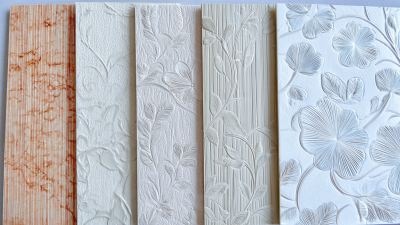
PVC bathroom wall panels are lightweight yet durable. They resist moisture and mold, making them ideal for wet environments. Installation is straightforward, saving time and effort. Various designs are available, allowing homeowners to customize their bathrooms easily.
Despite their many advantages, some may question the long-term durability of PVC bathroom wall panels. It's essential to consider quality and maintenance. While these panels are easy to clean, they can be prone to scratches. Homeowners should weigh these aspects carefully when selecting materials for their bathroom renovations.
Benefits of PVC Bathroom Wall Panels
PVC bathroom wall panels have gained immense popularity due to their numerous benefits. These panels are water-resistant, making them ideal for humid environments. According to a report by Allied Market Research, the global demand for vinyl wall coverings is projected to reach $12.4 billion by 2027. This statistic underscores the growing preference for durable materials like PVC in residential and commercial spaces.
One key advantage of PVC panels is their ease of installation. Homeowners can often complete the installation without professional help. However, improper installation can lead to issues like mold growth and poor adhesion. The panels also offer a variety of designs and colors, allowing customization that can fit various interior styles. Yet, it is essential to choose a design that complements the overall aesthetic of the bathroom.
Maintenance is another area where PVC panels shine. They require minimal upkeep compared to traditional materials. A simple wipe-down with a damp cloth is usually sufficient. However, some may find them less visually appealing than tiles or natural stone. This trade-off is vital for homeowners to consider. Balancing functionality with aesthetics can lead to a satisfying outcome in bathroom design.
Common Applications of PVC Bathroom Wall Panels
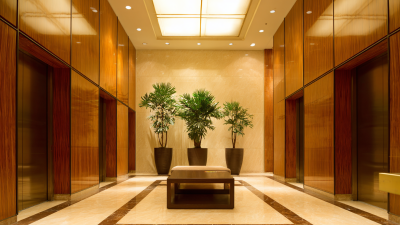
PVC bathroom wall panels are becoming increasingly popular due to their versatility and practicality. These panels are commonly used in residential bathrooms, commercial spaces, and even wellness centers. Their water-resistant properties make them ideal for wet areas. They can withstand moisture, preventing mold and mildew build-up, which is a common concern in bathrooms.
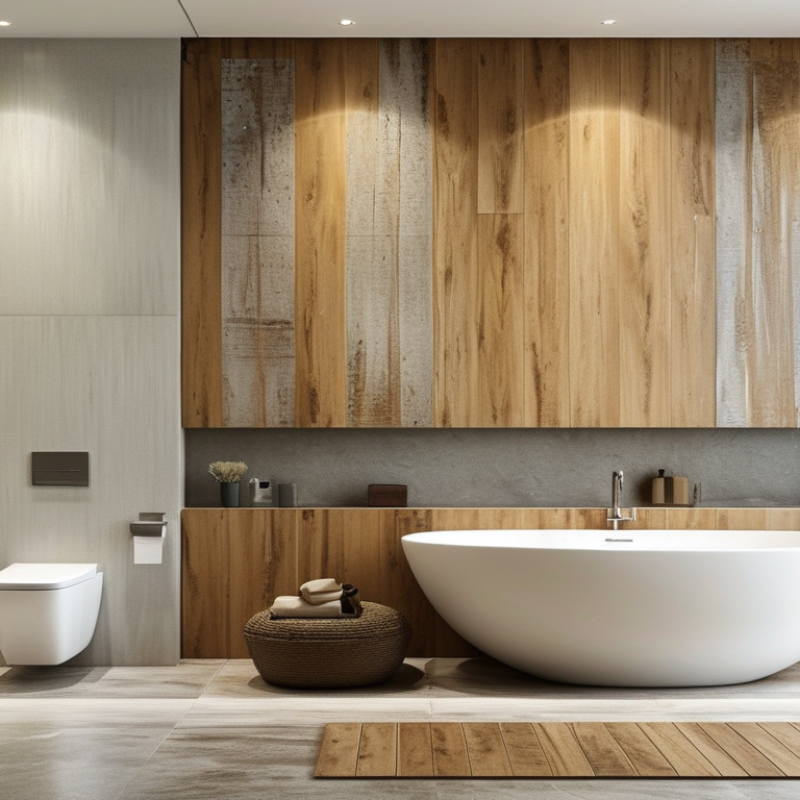
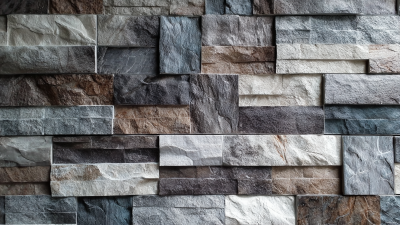
In residential settings, PVC wall panels are often installed as a stylish and easy-to-clean alternative to traditional tiles. They can mimic the look of natural materials, such as wood or stone, without the associated maintenance. In commercial applications, these panels offer a durable solution for busy spaces. They are especially useful in locations that require frequent cleaning and sanitation, such as clinics or gyms.
While the benefits are clear, it’s essential to reflect on installation challenges. Improper installation could lead to water leaks or uneven surfaces. Proper tools and techniques are crucial for achieving a smooth finish. It’s worth investing in professional installation for the best results. Planning the layout and design thoughtfully can enhance the aesthetic appeal.
Benefits and Common Applications of PVC Bathroom Wall Panels
Durability and Maintenance of PVC Panels
PVC bathroom wall panels are known for their exceptional durability and low maintenance. Unlike traditional materials, PVC is resistant to moisture, mold, and mildew, making it an ideal choice for humid environments. According to industry research, PVC panels can last over 20 years with proper care. This longevity makes them a cost-effective option for homeowners and builders alike.
Maintenance of PVC panels is remarkably simple. A damp cloth or sponge with mild soap is usually sufficient for cleaning. No need for harsh chemicals or extensive scrubbing. This ease of maintenance contributes to their popularity. A study by the Construction Industry Research and Information Association (CIRIA) highlights that 70% of homeowners prefer low-maintenance materials for their bathrooms.
Despite their many benefits, some users report that improper installation can lead to panel lifting or warping. This highlights the importance of professional installation to maximize the material's lifespan. Additionally, while PVC panels come in various designs, some homeowners feel limited in options compared to tiles or wood. The key is finding a balance between aesthetics and practicality.
Cost-Effectiveness of PVC Bathroom Wall Panels
PVC bathroom wall panels have gained popularity due to their cost-effectiveness. They offer a durable and moisture-resistant solution for bathroom spaces. Unlike traditional materials, PVC panels do not require extensive installation or maintenance expenses. Homeowners appreciate their easy-to-clean surfaces and resistance to mold and mildew.
While PVC panels are budget-friendly, it's essential to consider their impact over time. Cheaper options may not withstand heavy usage as effectively as premium choices. It’s wise to assess the quality before making a purchase. Investing in better-grade panels might lead to fewer replacements down the line.
Another factor to contemplate is the environmental aspect. While PVC is widely used, its production raises concerns. Finding panels made with a lower ecological footprint can offer peace of mind. Balancing the upfront cost with long-term sustainability is vital for informed decision-making.
Installation Process for PVC Bathroom Wall Panels
Installing PVC bathroom wall panels can transform your space with minimal effort. Start by measuring your wall to ensure a perfect fit. Use a level to mark your installation line, ensuring accuracy. Clean the wall thoroughly before installation. This step is crucial; any debris can affect adhesion.
When cutting the panels, a fine-toothed saw works best. Ensure you wear proper safety gear, such as goggles and gloves. It's easy to underestimate the complexities of cutting. Adjustments might be necessary when dealing with corners or outlets. Take your time with this.
Tips: Use adhesive designed specifically for PVC panels. This ensures a long-lasting hold. Check the temperature and humidity levels before installation. Extreme conditions can hinder adhesion.
Allow adequate curing time after you apply the panels. Don't rush; this can lead to poor results. Pay attention to the seams as well. Proper sealing can prevent moisture damage over time. Remember, a little patience goes a long way.