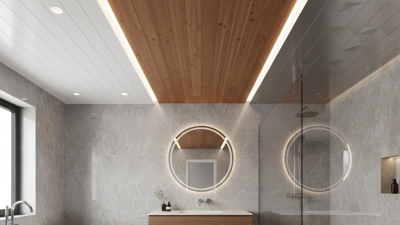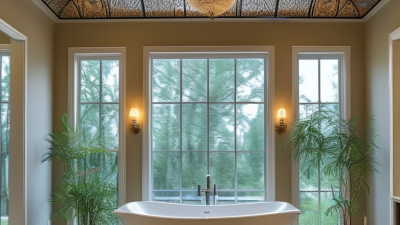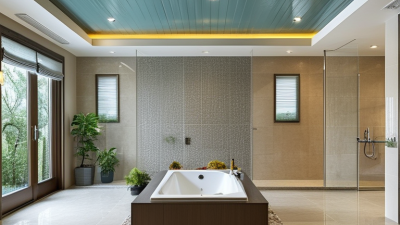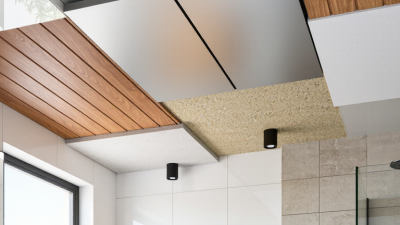
Choosing the right bathroom ceiling material involves more than matching a wall color. Steam, condensation, cleaning habits, ventilation, and installation access can affect performance for years. This guide examines the Top 10 Bathroom Ceiling Cladding options for buyers who want a practical, durable finish. Each option is considered for water resistance, maintenance, appearance, installation difficulty, and expected value. Real bathroom conditions matter. A small room with a weak extractor fan may challenge materials differently from a spacious, well-ventilated bathroom.
The comparison includes PVC panels, waterproof laminate, acrylic sheets, aluminum panels, and other suitable surfaces. It also considers seams, trims, fixing methods, and the risk of hidden moisture behind cladding. A glossy panel can make a dim bathroom feel brighter, while a textured finish may conceal water marks more effectively. Details matter. Reliable manufacturers should provide clear specifications, care instructions, and relevant performance information. Independent building guidance and installer experience can also support better decisions, although product claims still require careful checking.
No material is perfect. A low-cost panel may save money initially but need more precise trimming. A premium finish may look impressive yet demand better substrate preparation. I have included these trade-offs rather than presenting one universal winner. Buyers should inspect ventilation, ceiling condition, fire-performance information, and local installation requirements before ordering. Small oversights can become expensive repairs. The aim is not simply to find attractive Bathroom Ceiling Cladding, but to identify an option that suits the room, budget, skills, and long-term maintenance expectations.
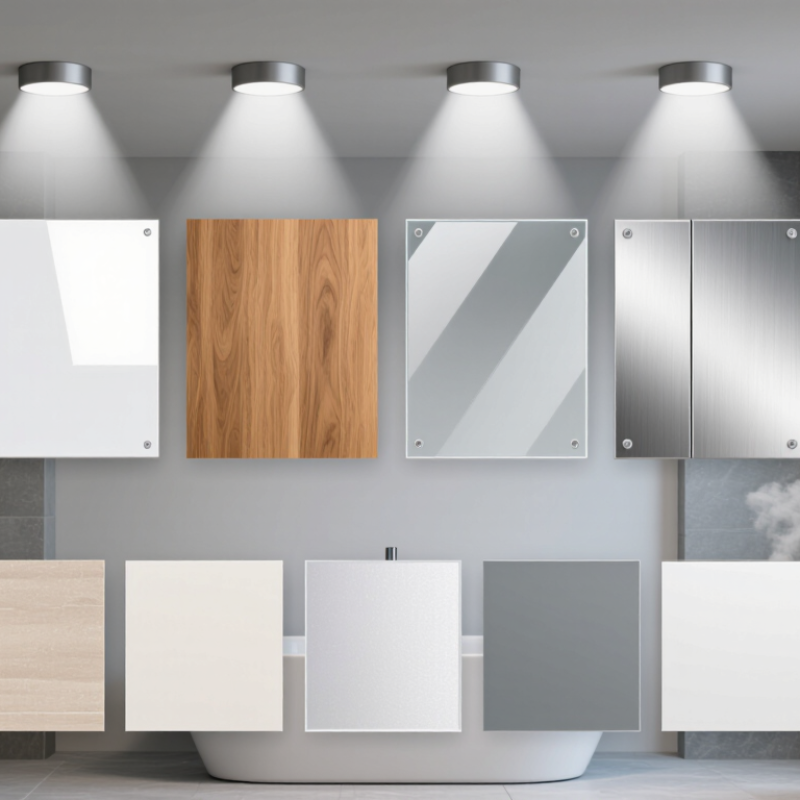
Bathroom ceiling cladding must tolerate repeated steam, splashes, cleaning, and limited drying time. Moisture exposure is not occasional. Steam can condense above a shower, especially on a cold ceiling. Common options include PVC panels, fiber-cement sheets, aluminum panels, coated gypsum, and moisture-resistant mineral-fiber tiles. Each handles water differently. Nonporous surfaces wipe clean, while joints and penetrations remain vulnerable. A careful renovation inspection checks staining, soft substrate, loose fasteners, and darkened insulation before covering anything. That step is easy to skip.
Tips: Run the exhaust fan during bathing and for several minutes afterward. Use a timer or humidity control when practical. Keep the fan grille clean, and confirm that air actually exits outdoors. Do not vent into an attic. ASHRAE 62.2 provides residential ventilation guidance, but the adopted local code controls the project. An airflow test is more dependable than a quiet fan. Check the required rate with a qualified professional.
Cladding cannot replace ventilation. If humid air lingers, even a durable panel can hide mold growth behind poorly sealed edges. Seal penetrations with compatible materials, leave access to fixtures, and avoid trapping wet insulation above the ceiling. Aluminum resists water well, yet it can show condensation and amplify sound. Fiber-cement is stable, but cutting creates dust and demands careful support. PVC is light and washable, though some installations can look overly plastic. Coated gypsum offers a finished appearance, but damaged paper faces should not be ignored. I would not choose from appearance alone. Ceiling temperature, fan performance, cleaning habits, and joint detailing matter just as much.
Water absorption and installation quality matter more than appearance alone. The 2024 RSMeans Construction Cost Data places many residential interior finish costs between $3 and $25 per square foot, depending on labor and preparation. Actual prices vary sharply by region.
These service-life ranges are practical estimates, not guarantees. ASTM C272/C272M testing measures water absorption, but it cannot predict poor ventilation or leaking joints. TCNA guidance also stresses movement joints and sealed penetrations. A ceiling may fail early. That is the uncomfortable detail buyers should inspect.
Choosing bathroom ceiling cladding requires more than comparing colors and prices. Moisture resistance matters, but ASTM E84 fire performance deserves equal attention. This test measures flame spread and smoke developed across a material surface. It does not measure fire resistance or how long a ceiling assembly will protect occupants. Buyers should check the complete test report, not only a sales label.
Ten practical options include PVC panels, aluminum panels, PVC-free composite panels, mineral-fiber panels, fiberglass-reinforced panels, coated steel panels, cement boards, moisture-resistant gypsum panels, compact laminate panels, and perforated metal systems. PVC may offer easy cleaning and low installation weight. Aluminum resists corrosion and often supports strong surface durability. PVC-free panels can suit projects seeking alternative polymer construction. However, each product needs its own ASTM E84 classification. A material’s thickness, backing, adhesive, and installation method can change the tested result.
Class A commonly indicates a flame spread index from 0 to 25, Class B from 26 to 75, and Class C from 76 to 200. Smoke-developed values should also be reviewed. Do not assume aluminum automatically provides a superior rating; its coating and core may influence performance. I have seen specifications fail because installers selected the right panel but the wrong adhesive. That detail is easy to miss. Request current documentation, confirm local code requirements, and verify that the tested assembly matches the bathroom ceiling design. Ratings are useful, but context matters.
Bathroom ceiling cladding must handle steam, splashes, cleaning, and repeated temperature changes. The main options include ceramic tile, porcelain tile, mineral fiber panels, FRP sheets, waterproof membranes, PVC panels, aluminum panels, cement board, laminated panels, and sealed wood composites.
Tile requires a rigid, level substrate and moisture-resistant backer board. Leave movement joints at edges and seal penetrations around lights and vents. Mineral fiber panels are lightweight, but standard products may sag in humid rooms. Choose moisture-rated panels and protect exposed edges carefully.
FRP sheets need clean, dry surfaces and compatible adhesive. Tight seams reduce water entry, yet poor ventilation can still create hidden mold.
Waterproof membranes need continuous coverage across corners, joints, and ceiling penetrations. Follow the specified overlap, curing time, and fastening method. Do not puncture the membrane unnecessarily. PVC and aluminum panels install quickly, but condensation can collect above them without proper airflow. Cement board offers a stable base, although it adds weight and requires sealed joints. Laminated panels need sealed cut edges. Wood composites are less forgiving and need excellent ventilation.
I have seen attractive ceilings fail because installers rushed the penetrations. Small gaps matter. Check the substrate before installation, not afterward. Use corrosion-resistant fasteners and maintain access to plumbing and electrical services. Local building requirements and the product installation guide should control spacing, fire performance, and ventilation details. Some manufacturers provide clearer guidance than others, so compare technical data before buying.
Top 10 Bathroom Ceiling Cladding Options for Buyers
Select Cladding by Humidity, Maintenance, Fire Class, and Life-Cycle Cost
Bathroom ceilings face warm vapor, condensation, cleaning chemicals, and occasional leaks. Select materials by measured humidity, not appearance alone. PVC panels resist moisture and clean quickly, while aluminum panels offer strong corrosion resistance and easy access for services. Fiberglass-reinforced plastic suits demanding wash areas, but its surface may show scratches.
Moisture-resistant gypsum board creates a smooth painted ceiling, yet it needs careful sealing around joints and light fittings. Fiber-cement board tolerates damp conditions and impact, although installation is heavier. Mineral fiber systems can improve sound control, but some tiles absorb stains. Stainless steel is durable and hygienic, while ceramic tile provides a hard, washable surface with more complex installation. Wood-plastic composite and treated timber add warmth, but ventilation becomes critical.
Check the required fire class through current project standards and verified test documentation. A moisture-resistant product is not automatically fire-rated. Ask for installation limits, joint details, and performance data. Maintenance also changes the real cost. A low-price panel may require frequent replacement if steam causes warping. A higher-cost system may repay its price through fewer repairs and faster cleaning.
I have seen attractive ceilings fail at unsealed edges. Small gaps mattered. Life-cycle costing should include labor, access panels, cleaning time, replacement waste, and expected service life. Predictions remain imperfect, especially where ventilation is poor or maintenance records are missing. Inspect the room’s extraction performance before choosing the finish.
| Rank | Ceiling Cladding Option | Humidity Suitability | Maintenance Requirement | Typical Service Life | Indicative Fire Class | Installation Complexity | Relative Installed Cost | 25-Year Life-Cycle Cost | Best Use Case |
|---|---|---|---|---|---|---|---|---|---|
| 1 | Porcelain or Ceramic Tile | Excellent Non-porous surface resists steam, splashes, and mold when joints are properly sealed. |
Low Routine cleaning; grout may require periodic renewal. |
30–50+ years | A1 or A1fl for the tile material; adhesive and backing assembly must be assessed separately. | High | High | Medium | Premium bathrooms requiring a durable, washable, and highly moisture-resistant finish. |
| 2 | Fiber-Cement Panels | Excellent Dimensionally stable and resistant to moisture when edges and penetrations are detailed correctly. |
Low Cleanable painted or coated surface; damaged panels can be replaced. |
25–50 years | Often A1 or A2-s1,d0, depending on formulation, thickness, coating, and fixing system. | Medium | Medium | Low–Medium | High-humidity rooms where fire performance and dimensional stability are important. |
| 3 | Aluminum Ceiling Panels | Excellent Does not absorb water and has strong corrosion resistance when correctly finished. |
Low Wipe-clean surface with limited repainting requirements. |
30–50 years | A1 for many solid metal panels; composite cores, coatings, and complete assemblies may have different ratings. | Medium | Medium–High | Low | Modern bathrooms, commercial washrooms, and projects needing access to services above the ceiling. |
| 4 | Moisture-Resistant Gypsum Board | Good Suitable for humid bathrooms when ventilation, vapor control, joints, and paint systems are appropriate. |
Medium Paint may need refreshing; joints and penetrations require inspection. |
15–25 years before major refurbishment; framing may last longer. | Typically A2-s1,d0 for gypsum-based board; the complete ceiling assembly determines the final classification. | Low–Medium | Low | Medium | Cost-sensitive residential bathrooms with a smooth, fully integrated ceiling appearance. |
| 5 | Galvanized or Powder-Coated Steel Panels | Good Performs well in humid areas when the coating, cut edges, and fasteners are protected against corrosion. |
Low Washable and robust; damaged coating should be repaired to prevent corrosion. |
25–40 years | A1 for steel itself; paint, perforated acoustic backing, and insulation can alter the assembly rating. | Medium | Medium | Low–Medium | Heavy-use bathrooms, institutional facilities, and ceilings requiring strength and service access. |
| 6 | Glass Panels | Excellent Impervious to water and steam; use safety glass and properly sealed support details. |
Medium Easy to wash but shows water spots, fingerprints, and mineral deposits. |
30–50+ years | Glass is generally A1; framing, films, sealants, and backing materials require separate assessment. | High | High | Medium–High | Feature ceilings and high-end interiors where visual impact and water resistance are priorities. |
| 7 | PVC Ceiling Panels | Excellent Water-resistant, lightweight, and generally unaffected by normal bathroom humidity. |
Low Simple wipe cleaning; damaged boards can usually be replaced individually. |
15–25 years | Combustible; commonly classified around C-s2,d0 to D-s3,d0 depending on formulation and system. Verify locally. | Low | Low | Low | Budget renovations and quick-fit residential bathrooms where low maintenance is more important than non-combustibility. |
| 8 | Fiberglass-Reinforced Plastic Panels | Excellent Resists water, stains, and many common cleaning chemicals. |
Low Non-porous and washable; scratched or damaged areas may require panel replacement. |
20–30 years | Combustible; often classified C-s2,d0 to D-s3,d0, subject to resin, surface finish, thickness, and assembly testing. | Low–Medium | Medium | Low–Medium | Commercial washrooms, utility bathrooms, and areas needing a hygienic, impact-resistant surface. |
| 9 | Compact High-Pressure Laminate Panels | Good Resistant to humid air; exposed edges, joints, and penetrations must be sealed. |
Low Easy to wipe clean and resistant to ordinary household stains. |
20–30 years | Often B-s1,d0 or a similar rating for tested products; core, surface, and support system must be verified. | Medium | Medium–High | Medium | Decorative bathrooms requiring wood, stone, or colored finishes with better impact resistance than paint. |
| 10 | Moisture-Resistant Mineral-Fiber Acoustic Tiles | Fair–Good Use only products rated for high humidity; prolonged condensation can cause sagging or staining. |
Medium Replace stained or damaged tiles; avoid abrasive cleaning. |
10–20 years | Many mineral-fiber products achieve A1 or A2-s1,d0, but facing, paint, suspension, and backing materials affect the assembly. | Low | Medium | Medium–High | Commercial or accessible ceilings where acoustic control and easy panel removal are required. |
| Technical note: Fire classifications shown are indicative Euroclass ranges for common product types, not universal guarantees. Always confirm the tested classification for the exact product, thickness, coating, substrate, fixing method, and complete ceiling assembly required by local building regulations. Service life and life-cycle cost depend on ventilation, installation quality, cleaning chemicals, water exposure, labor rates, and replacement intervals. | |||||||||