What is Bathroom Ceiling Cladding and How to Choose It?
Bathroom Ceiling Cladding serves both functional and aesthetic purposes in home design. Choosing the right cladding can transform a mundane bathroom into a stunning space. The options available today are vast, ranging from PVC panels to tongue-and-groove wood. Each material has its own benefits and challenges.
When exploring Bathroom Ceiling Cladding, homeowners should consider moisture resistance, durability, and maintenance. For instance, some materials may warp or discolor over time. It's essential to choose materials that withstand humidity effectively. The wrong choice can lead to costly repairs later.
Selecting the right cladding requires careful thought. It's not merely about what looks good; it's about what will endure in a constantly damp environment. Exploring various options can feel overwhelming. Yet, with knowledge and inspiration, anyone can make a choice that enhances their bathroom's appeal and functionality. Reflecting on the long-term effects of materials ensures a wise investment.
What is Bathroom Ceiling Cladding?
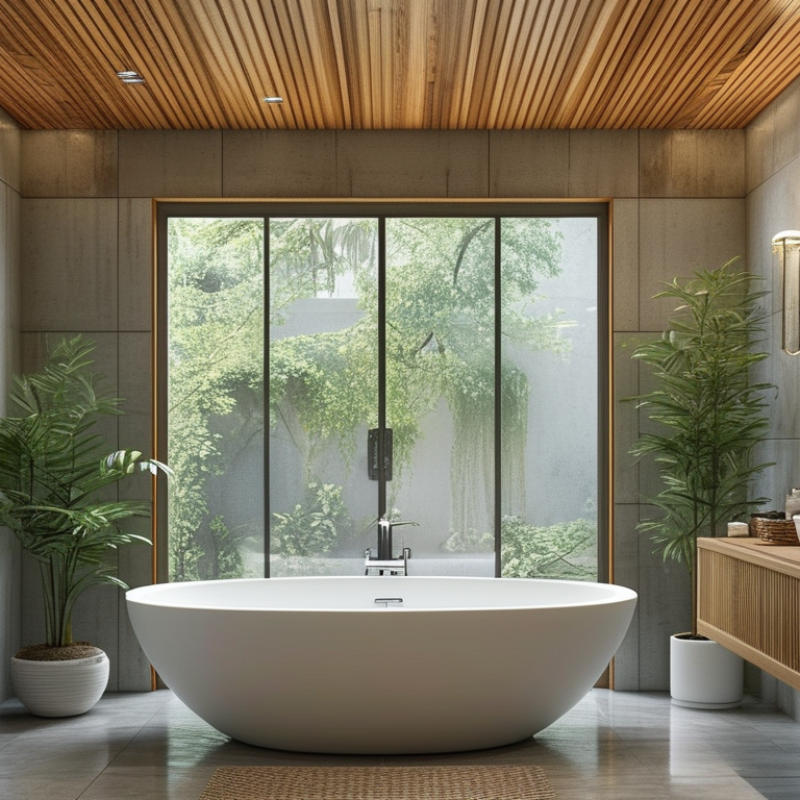
Bathroom ceiling cladding is a practical solution for moisture management in wet areas. It refers to the material used to cover and protect the ceiling from water damage. Common materials include PVC, wood, and plasterboard. Each option has its own set of benefits and drawbacks. PVC, for instance, is waterproof and easy to clean. Wood offers a natural, warm aesthetic but can warp in high humidity.
Choosing the right cladding involves various considerations. Think about the bathroom's size and lighting. Dark cladding can make a small space feel cramped. Conversely, lighter options can create an airy feel. Installation is another factor. Some materials are easier to install than others, often requiring professional help.
Reflecting on personal experiences can guide your choice. Some may regret opting for cheaper materials that did not hold up over time. Others have found joy in carefully selecting unique designs. Ultimately, bathroom ceiling cladding not only adds functionality but also enhances the overall look of your space.
What is Bathroom Ceiling Cladding and How to Choose It?
| Cladding Type |
Material |
Water Resistance |
Cost (per Sq Ft) |
Maintenance |
| PVC Panels |
Polyvinyl Chloride |
Excellent |
$2 - $4 |
Low |
| Gypsum Board |
Gypsum |
Moderate |
$1 - $3 |
Moderate |
| Wood Paneling |
Natural Wood |
Poor |
$4 - $8 |
High |
| Acrylic Sheets |
Acrylic Plastic |
Excellent |
$3 - $6 |
Low |
| Metal Ceiling Tiles |
Aluminum or Steel |
Good |
$5 - $10 |
Low |
Benefits of Using Ceiling Cladding in Bathrooms
Bathroom ceiling cladding offers several advantages that enhance both aesthetics and functionality. According to a report by the National Kitchen and Bath Association, about 60% of bathroom improvements focus on moisture-resistant materials. This is crucial because bathrooms are humid, making them prone to mold and mildew. High-quality cladding options, such as PVC or acrylic, resist these issues and require less maintenance over time.
Choosing the right ceiling cladding can transform a bathroom's ambiance. For example, light-colored cladding reflects more light, making the space feel larger and brighter. Additionally, soundproof options can improve the overall acoustics. Research conducted by the Home Improvement Research Institute indicates that homeowners often report a 30% increase in satisfaction after installing ceiling cladding. However, not all materials offer the same level of insulation.
Delving deeper into cladding materials reveals imperfections that must be acknowledged. While some plastics can warp or fade, natural wood options require more upkeep. Consumers should weigh these factors carefully. It’s essential not to overlook the installation process, as improper fitting can lead to significant issues later. Choosing professional installation can mitigate these risks, ensuring long-lasting benefits that enhance the entire bathroom experience.
Benefits of Using Ceiling Cladding in Bathrooms
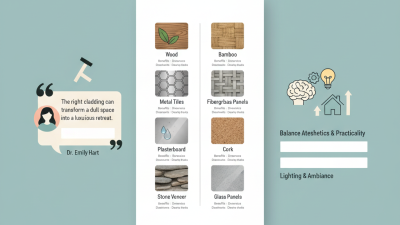
Popular Materials for Bathroom Ceiling Cladding
When choosing bathroom ceiling cladding, several popular materials stand out. PVC panels are widely favored due to their water resistance and easy maintenance. According to industry reports, around 35% of homeowners prefer PVC for its affordability and versatility. It comes in various colors and patterns, making it easy to match different decor styles.
Another trendy option is acrylic panels. These panels offer a sleek, modern look and are often chosen for their glossy finish. Data indicates that the use of acrylic ceilings has increased by 20% over the past few years. They are lightweight and can resist moisture, making them ideal for humid environments.
Wood paneling is gaining traction for those seeking a natural aesthetic. Although wood requires more care, it can add warmth to the space. Reports show that about 15% of homeowners opt for wood, primarily in high-end renovations. However, it is essential to consider the potential for water damage and the need for regular sealing. Each material has its drawbacks, suggesting thoughtful consideration before making a choice.
Factors to Consider When Choosing Ceiling Cladding
When choosing bathroom ceiling cladding, several factors play a crucial role in ensuring durability and aesthetics. One essential consideration is moisture resistance. Bathrooms are inherently humid spaces. Data from the Home Improvement Research Institute indicates that over 80% of bathroom renovations prioritize materials that withstand moisture. This makes PVC and vinyl cladding popular choices, offering waterproof features that help prevent mold growth.
Another factor is installation and maintenance. Certain materials require professional installation, while others are DIY-friendly. An industry report from the National Association of Home Builders suggests that 60% of homeowners prefer easy-to-install options to save on labor costs. Additionally, maintenance is significant. Some cladding types need frequent cleaning, while others, such as acrylic panels, require minimal upkeep. Homeowners often overlook long-term care requirements, which could impact ongoing satisfaction.
Aesthetic appeal is equally important. The design should blend with the overall bathroom style. Trends reveal that textured finishes and bright colors are increasingly favored. Yet, striking a balance between style and functionality is vital. Some homeowners may lean too heavily towards aesthetics, sacrificing durability and moisture resistance. This could lead to unforeseen issues, particularly in a space that experiences constant humidity. Considering these aspects will lead to a more informed decision on ceiling cladding.
Installation and Maintenance Tips for Bathroom Ceiling Cladding
When installing bathroom ceiling cladding, proper preparation is key. Ensure the surface is clean and dry. Any existing mold should be treated. Measure your ceiling accurately to reduce waste. Use high-quality adhesive or screws designed for moist environments. This will guarantee a secure fit and longevity.
Maintenance is vital to preserve the look of your cladding. Regular cleaning with mild detergent and soft cloth helps prevent buildup. Check for any signs of moisture accumulation. If found, address it immediately. Ventilation can significantly reduce humidity levels. This step is often overlooked but is crucial for durability.
Choosing the right materials affects both aesthetics and function. Vinyl and PVC options resist moisture well. Wood offers a natural look but needs protective finishes. Be mindful that some materials may warp or discolor over time. Consider the overall style of your bathroom while making your selection. Making these choices thoughtfully ensures a lasting result.