Leave Your Message
-
Facebook
-
Whatsapp
-
Whatsapp

Choosing a reliable PVC wall cladding partner in China takes more than comparing prices. Product consistency, clear specifications, and responsive communication matter just as much. Pvc Wall Cladding is used in homes, commercial interiors, and other spaces where easy cleaning and moisture resistance can be practical advantages. Yet performance depends on the panel design, installation conditions, and the quality of the materials. Details matter.
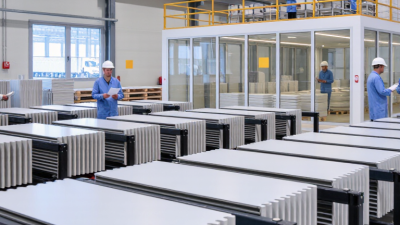
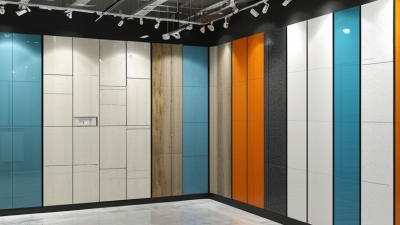
This guide introduces China-based manufacturers and suppliers and the factors buyers can use to assess them. Look for information about production capacity, quality checks, available finishes, and support for samples or custom orders. Ask for product data, installation guidance, and clear answers about lead times and packaging. A sample can reveal surface texture, color variation, and edge quality better than a catalogue image. Small differences show.
An experienced supplier should explain what its panels can—and cannot—do, rather than promise the same result in every setting. Buyers should also confirm that product claims match the documents and samples provided. No supplier is perfect, and a polished website alone proves little. A careful comparison helps narrow the options and supports a more informed purchasing decision. The right choice depends on the project, not just the brochure.
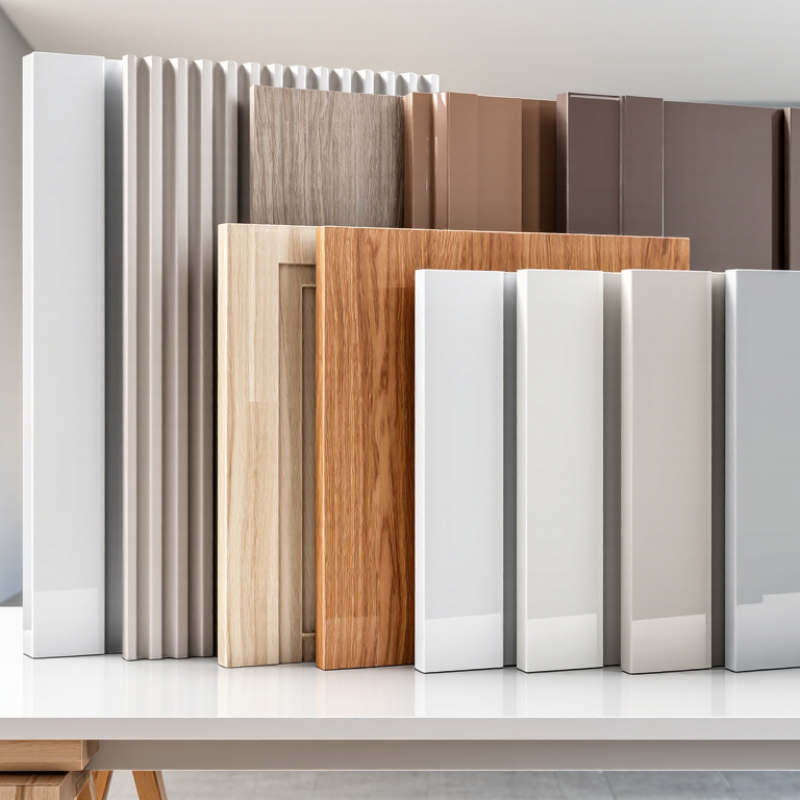
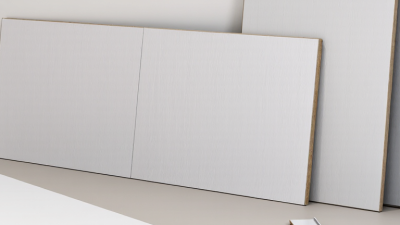
PVC wall cladding is a lightweight interior finish made from polyvinyl chloride panels. It covers walls with a smooth or textured surface and can resemble wood, stone, or simple painted finishes. Panels often connect through overlapping edges or tongue-and-groove joints. That matters. The joints need careful fitting, especially around corners, windows, and plumbing.
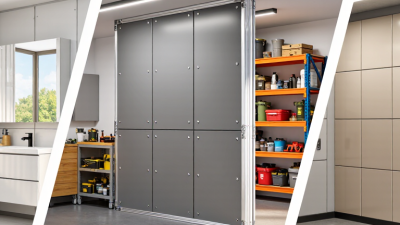
It is commonly used in bathrooms, laundry rooms, kitchens, and utility areas, where walls may face splashes or frequent cleaning. In a small bathroom, for example, a wipeable panel can be practical behind a basin or above a bath. Some panels are also used on ceilings or in shops and other commercial interiors. Not everywhere. Product suitability depends on its specifications and installation conditions.
PVC cladding is not a structural repair and should not hide damp, loose plaster, or damaged framing. The wall underneath should be sound, clean, and reasonably even. Installers also need to allow for expansion and seal edges where moisture could enter. Check product data for cleaning guidance, temperature limits, and fire-performance information. Finishes can scratch, and panel joints may remain visible in bright light. A neat result depends on preparation; that part is easy to underestimate.
| Topic | Data Dimension | Typical Information | Common Uses | What Buyers Should Verify |
|---|---|---|---|---|
| Product definition | Material and function | PVC wall cladding is a non-structural interior or exterior wall finish made primarily from polyvinyl chloride. It is supplied in panels or boards and installed over a suitable substrate or support system. | Decorative wall finishes and protective surface coverings in residential, commercial, and selected industrial settings. | Confirm whether the product is intended for interior or exterior use and whether the proposed substrate and installation method are suitable. |
| Panel formats | Profile and joint design | Common formats include flat panels, tongue-and-groove boards, and interlocking or jointed profiles. Width, length, surface texture, and edge details vary by product. | Bathrooms, kitchens, corridors, retail interiors, utility rooms, and building façades when the product is specifically rated for exterior exposure. | Request drawings showing panel dimensions, joint details, trims, corner pieces, and the recommended fixing method. |
| Core and construction | Panel build | Products may be solid or hollow-core, depending on their design. Some decorative panels have a printed or embossed surface; construction and performance are not identical across product lines. | Lightweight interior wall finishes and decorative feature walls. | Check the product data sheet for construction, intended use, impact performance, and any limitations on fixing heavy items to the wall. |
| Moisture performance | Water and humidity exposure | PVC itself is moisture-resistant, but the performance of a finished wall also depends on joints, edges, penetrations, substrate, and installation quality. Cladding should not automatically be treated as a complete waterproofing system. | Bathrooms, laundry areas, kitchens, and other humid interiors when the complete assembly is designed for the conditions. | Ask how joints and penetrations are sealed and whether a separate waterproof membrane is required behind the cladding. |
| Typical applications | Interior environments | Interior-grade panels are commonly used as a finish over sound, appropriately prepared walls. They are selected for appearance, ease of cleaning, and resistance to everyday moisture. | Bathrooms, kitchens, basements, service rooms, offices, shops, and residential feature walls. | Confirm cleaning instructions, temperature limits, and compatibility with the room’s ventilation and moisture-control requirements. |
| Exterior applications | Weather exposure | Only products designed and tested for exterior use should be installed outdoors. Sunlight, temperature changes, wind, rain, and the supporting wall system affect long-term performance. | Selected façades, soffits, and sheltered exterior areas, subject to the product’s stated application and local building requirements. | Verify exterior-use approval, UV and weathering information, expansion allowances, fixing requirements, and compatibility with the façade system. |
| Fire performance | Reaction to fire | Fire performance varies by formulation, panel construction, and tested assembly. PVC cladding is not inherently fireproof, and ratings for one product cannot be applied to another. | All building types, with particular attention to public, multi-unit, and commercial projects where codes may set specific requirements. | Request valid fire-test documentation for the exact product and assembly; check the building code applicable to the project location. |
| Dimensions and tolerances | Size and installation planning | Panel thickness, width, length, and tolerances differ among manufacturers and product ranges. There is no single specification that applies to all PVC wall cladding. | Any project requiring coordinated layouts, trims, transitions, or installation around doors, windows, and services. | Use the current technical data sheet and confirm usable coverage, cutting allowance, batch consistency, and available accessories. |
| Supplier capabilities | Manufacturing and supply scope | Suppliers may offer different panel profiles, colours, surface finishes, packaging options, and custom production services. Availability and minimum order quantities vary. | Small renovation orders, distributor supply, and larger construction or export projects. | Confirm production capacity, lead time, order quantity, packaging, spare-panel availability, and written product specifications before purchase. |
| Quality documentation | Testing and traceability | Test methods and certificates should correspond to the specific product, construction, and intended application. Documents may cover dimensions, fire performance, or other declared properties. | Projects requiring documented product review, procurement approval, or compliance checks. | Check document dates, product identification, test scope, issuing laboratory, and whether the reports apply to the supplied model. |
| Installation and maintenance | Fixing, expansion, and care | Installation details depend on the panel profile and site conditions. Cutting, fixing, jointing, and allowances for movement should follow the product instructions. | New construction, renovation, and refurbishment projects. | Obtain installation instructions and recommended trims; use compatible cleaning products and avoid methods not approved by the supplier. |