How to Choose the Best PVC Wall Panels 4x8?
Choosing Pvc Wall Panels 4x8 starts with the room, not the product photo. A bright bathroom, busy workshop, and shaded utility room place different demands on a panel. Check the stated dimensions, thickness, surface finish, and installation instructions. Then compare those details with your wall’s condition and expected exposure to moisture. A glossy sample may look convincing under showroom lights. It can show scratches more clearly at home.
A composite industry expert, materials consultant Daniel Mercer, offers this practical reminder: “A panel is only as dependable as the surface and preparation behind it.” That is not a substitute for a manufacturer’s technical data. It is a useful prompt to inspect the substrate, plan joints, and confirm compatible adhesives or trims. Measure the wall in several places. Walls are rarely perfect. Check whether the panels need cutting around outlets, corners, or pipes, and allow for those details before ordering. For rooms with specific fire, hygiene, or building requirements, verify the product documentation and local guidance rather than relying on a sales description. Also review cleaning instructions and warranty limits. Some choices are less obvious. A lower price may mean thinner material, but not always; compare specifications instead of guessing. The right Pvc Wall Panels 4x8 should suit the room, install cleanly, and remain practical to maintain. This guide will help you weigh those trade-offs with care.
Understand the Dimensions and Types of 4x8 PVC Wall Panels
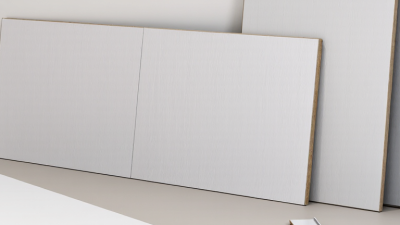
A 4x8 PVC wall panel usually refers to a sheet measuring about 4 feet by 8 feet, or 48 by 96 inches. That covers roughly 32 square feet before trimming. Treat those figures as nominal, not guaranteed: panel thickness and finished dimensions can vary by product. Check the specification sheet and measure the wall directly. Small differences matter.
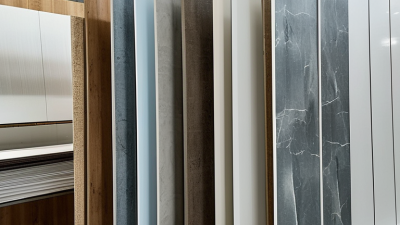
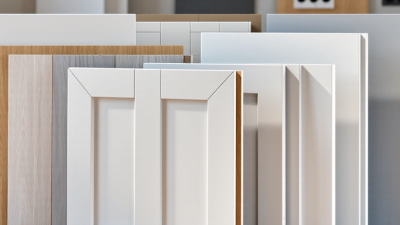
Panel styles affect both appearance and installation. Smooth sheets create a clean, simple surface and are easy to wipe. Embossed or textured panels add visual depth, but grooves may collect dust. Some panels have interlocking edges; others need joining trims to conceal seams. Look closely at edge details. They change the layout.
Plan around doors, corners, and plumbing openings before estimating quantities. A 4x8 sheet may leave narrow offcuts, especially on a short wall, so allow extra material for cuts and mistakes. I would not assume every PVC panel suits every damp room; confirm its stated application and follow the installation instructions. It is tempting to focus only on coverage. That can be a costly oversight. Check the substrate, required expansion gaps, and compatible adhesives or fasteners before buying.
Assess Your Room’s Conditions and Intended Use
How to Choose the Best PVC Wall Panels 4x8?
Assess Your Room’s Conditions and Intended Use
Before choosing 4x8 PVC wall panels, check the room’s moisture, temperature, and airflow. A bathroom with steamy showers needs panels rated for damp environments, plus sealed joints and edges. A laundry room may face splashes and detergent, while a dry bedroom has different demands. Look for the product’s installation and care instructions. PVC resists moisture, but the wall behind it still needs proper preparation.
Think about heat and daily wear, too. Panels near a stove, heater, or sunny window may need different clearance or a specific heat rating. Do not assume every PVC panel suits every wall. For a busy hallway, consider how easily the surface cleans and whether its finish shows scuffs. Measure the wall, note obstacles such as outlets, and plan seams before buying. A panel can look simple on paper, yet awkward cuts may create extra waste.
Tips: Check for leaks and damp patches before covering a wall. Confirm the panel’s temperature limits and approved adhesive. Keep a small offcut to test cleaning products. If ventilation is poor, fix that issue rather than expecting panels to solve it. I might overlook a tiny corner at first; measure twice.
Compare Panel Thickness, Surface Finish, and Core Quality
For 4x8 PVC wall panels, thickness is a useful starting point, not a quality verdict. A thicker panel may feel firmer across a wide span, but support spacing and installation conditions matter too. Check the stated thickness and recommended framing before comparing prices. Hold a sample by one edge and gently press the center. Noticeable flex is worth investigating, though this simple test cannot replace product specifications. Small detail, big difference.
Surface finish affects both appearance and cleaning. A glossy panel reflects light and can make scratches or uneven walls more visible. A matte or textured finish may hide minor marks, but dust can settle into deeper patterns. View samples under the room’s actual lighting. Then inspect the panel edge and core: look for consistent structure, clean edges, and no obvious voids or weak spots. Ask for technical data on impact resistance and moisture performance rather than relying on appearance alone. This comparison is not perfect; samples can look convincing while telling you little about long-term performance. Check the specifications, and weigh them against the room’s use.
Check Installation Needs, Maintenance, and Long-Term Costs
For a 4-by-8-foot PVC panel, the nominal coverage is 32 square feet. Cuts around doors, corners, and outlets reduce usable coverage. Sketch each wall and mark openings before estimating quantities. Measure twice. Check whether the substrate is flat, dry, and suitable for the specified adhesive or fasteners. Confirm trim, seam, and expansion details in the panel installation instructions. Small errors show clearly across a large, glossy surface.
Maintenance affects the real cost. Ask how the surface handles routine cleaners, and avoid abrasive pads unless the manufacturer permits them. Water can collect at poorly sealed seams, especially near sinks or showers. Inspect those joints periodically. I still find it easy to underestimate the time needed for edge finishing and cleanup.
Compare installed costs, not just sheet prices. Include panels, offcuts, trim, adhesives, labor, repairs, and eventual replacement. The Houzz & Home Study 2024 reported that median U.S. renovation spending rose from $22,000 in 2022 to $24,000 in 2023, roughly 9 percent. That figure covers renovations broadly, not PVC panels specifically, but it underlines why a full written estimate matters. NIST’s Handbook 135 life-cycle costing framework also considers initial, maintenance, replacement, and disposal costs. Ask contractors to itemize these categories so you can compare options fairly.
Match Panel Features to Your Project Priorities
How to Choose the Best PVC Wall Panels 4x8?
Match Panel Features to Your Project Priorities
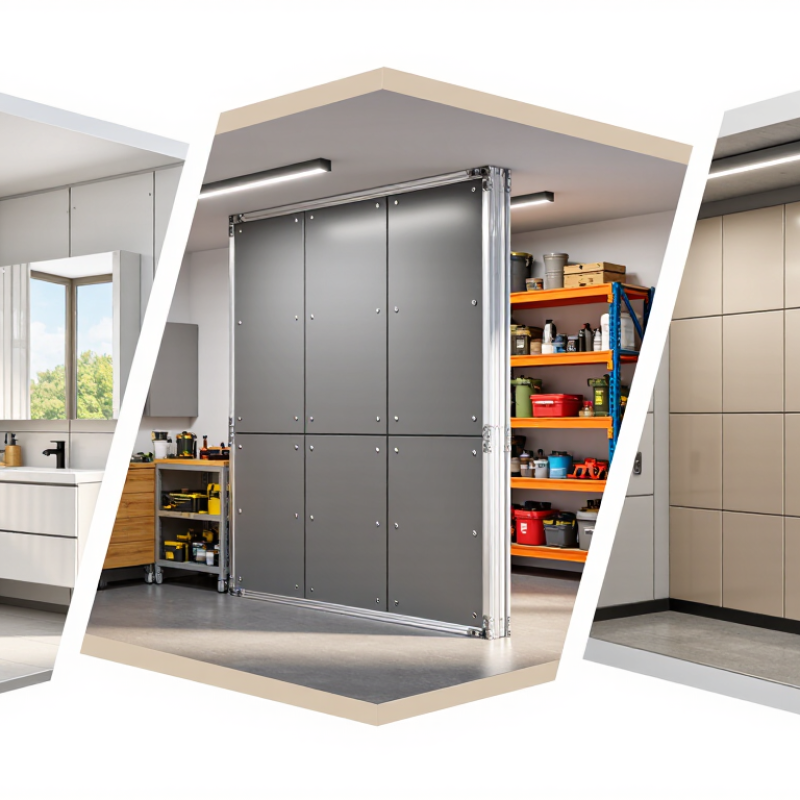
Start with the room, not the panel’s appearance. In a laundry area or bathroom, moisture resistance and easy cleaning may matter most. Look for smooth surfaces and joints that can be sealed as the installation instructions specify. For a busy workshop, consider panel thickness and impact resistance. A thin sheet may flex when a shelf bumps it. Check the product specifications rather than judging strength by appearance alone.
Think about the wall behind the panels, too. Uneven framing or a damp substrate can cause problems that a new finish will not fix. Measure the wall, mark outlets, and plan where each 4-by-8-foot sheet will land. Fewer awkward seams can make the finished wall look cleaner. But full sheets are bulky, and one person may struggle to carry them through a narrow doorway. Check the edges.
Temperature and heat deserve attention. PVC can expand, so leave the clearances required by the installation guide. Do not assume every panel suits a stove surround or another hot spot; verify its stated limits. I would not pick a panel on price alone, though budgets do matter. A cheaper sheet can mean more visible seams or extra backing work. That trade-off is easy to miss. Compare the panel’s finish, care needs, thickness, and fitting requirements against the job you actually have.