Leave Your Message

What Are PVC Wall Panels 4x8 and How Are They Used?

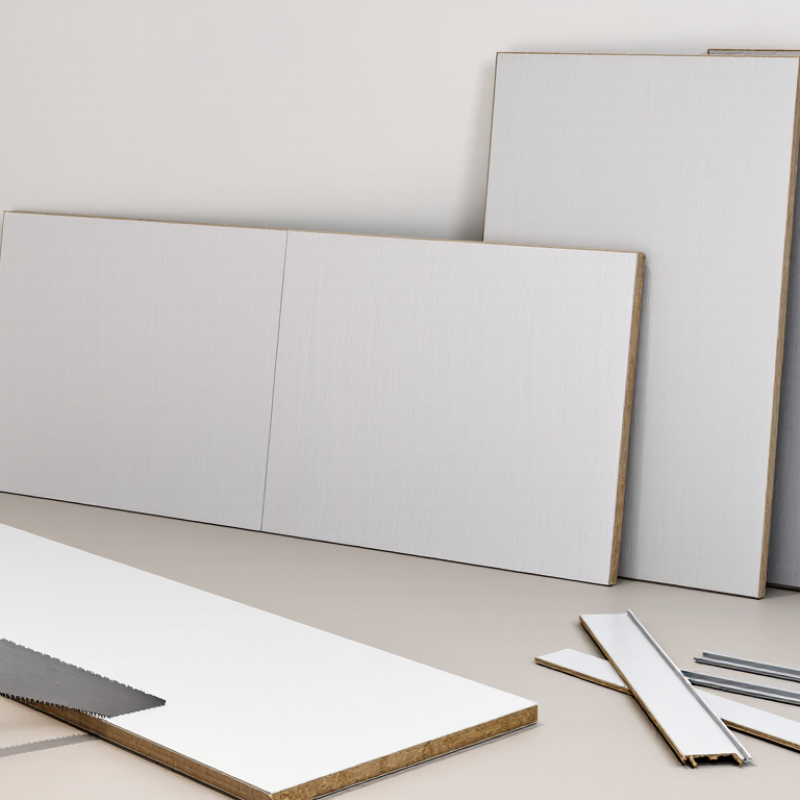
Pvc Wall Panels 4x8 are large, lightweight sheets designed to cover walls quickly and with fewer seams. The “4x8” measurement usually means four feet wide and eight feet long. Metric sizes may vary slightly. These panels are commonly made from rigid polyvinyl chloride, with smooth, textured, or printed surfaces. Their water-resistant construction makes them useful in bathrooms, laundry rooms, utility areas, garages, and commercial interiors.

A typical installation begins with a clean, dry, and reasonably level wall. Installers measure carefully, mark openings, and cut panels with suitable tools. Adhesive, screws, or a compatible framing system may secure the sheets. Seams often need trims or sealants, especially near showers and sinks. Small details matter. Uneven walls can create visible gaps. Poor ventilation may also encourage moisture problems behind the panels. That convenience can be overstated. These panels do not repair damaged framing or eliminate every waterproofing requirement. Fire performance, chemical resistance, and allowable applications differ by product. Reliable installation therefore depends on reading the manufacturer’s technical data and checking local building requirements. Some surfaces clean easily with mild soap, while aggressive chemicals can dull the finish. Choosing the right thickness and texture also affects durability, appearance, and maintenance. This guide explores what Pvc Wall Panels 4x8 are, where they work best, and what installers should consider before cutting the first sheet. The material is practical, but not perfect. Attention to preparation usually determines the final result.
What Are PVC Wall Panels 4x8 and How Are They Used?

What Are PVC Wall Panels 4x8?

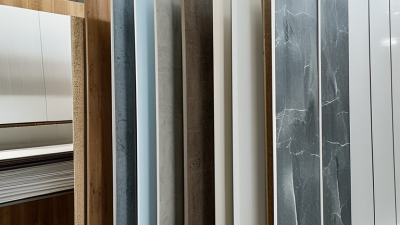
PVC wall panels 4x8 are large sheets made from polyvinyl chloride, a durable thermoplastic material. The “4x8” label means a nominal size of four feet by eight feet, or about 32 square feet per panel. Actual dimensions may vary slightly after trimming. Panels can be solid, hollow, textured, printed, or designed with interlocking edges. Some resemble tile, stone, or painted drywall.

They are commonly installed in bathrooms, utility rooms, food-service areas, workshops, and commercial interiors. A smooth surface helps reduce grout lines and makes routine cleaning easier. Grand View Research estimated the global PVC market at approximately US$45.5 billion in 2023, reflecting strong demand across construction and interior applications. That figure does not measure wall panels alone, so it should not be treated as proof of superior performance.

Installation usually involves measuring the wall, cutting openings, and sealing joints around wet areas. Adhesive, screws, or a framing system may be used, depending on the substrate. Keep this in mind. PVC panels are moisture-resistant, not automatically waterproof. Their fire behavior also differs by formulation and thickness. Check tested ratings and local building requirements before installation. In practice, poor wall preparation can cause visible waves, open seams, or panel movement. That limitation is easy to underestimate.

What Are PVC Wall Panels 4x8 and How Are They Used?

Data Dimension Typical Information Practical Notes
Product Type Rigid or semi-rigid wall cladding made primarily from polyvinyl chloride (PVC). Panels are installed over suitable wall surfaces as a finished or decorative wall covering.
Common Panel Size Approximately 4 feet wide by 8 feet long, equal to about 32 square feet per panel. Actual dimensions can vary slightly by manufacturer, product series, and edge profile.
Thickness Range Common commercial and residential products are often about 1/8 to 1/2 inch thick. Thicker panels generally provide greater rigidity, while thinner panels may require a flatter substrate.
Approximate Coverage One nominal 4x8 panel covers about 32 square feet before deductions for openings and trimming. Measure the wall area and add an allowance for cuts, layout adjustments, and installation waste.
Surface Finishes Smooth, embossed, textured, matte, gloss, tile-look, stone-look, and wood-look finishes are available. The finish affects appearance, cleanability, slip resistance when used in wet areas, and visible wear.
Water Resistance PVC itself is moisture-resistant and does not absorb water like many porous wall materials. Joints, penetrations, corners, and the wall behind the panels still require correct sealing and moisture control.
Typical Applications Bathrooms, utility rooms, laundry areas, kitchens, garages, workshops, commercial interiors, and hygienic wall zones. Suitability depends on the product’s moisture, impact, chemical, fire, and hygiene ratings.
Installation Methods Panels may be bonded with compatible adhesive, mechanically fastened, or fitted with interlocking or trim systems. Use the installation method, adhesive, fasteners, and trims recommended for the specific panel construction.
Substrate Requirements The wall should be structurally sound, clean, dry, reasonably flat, and free from loose coatings or contamination. PVC panels generally conceal minor surface imperfections but do not correct major bowing, movement, or dampness.
Cutting and Handling Panels can commonly be cut with fine-tooth saws, utility knives for suitable thin products, or appropriate power tools. Support large panels during cutting and follow safety procedures for dust, sharp edges, and powered equipment.
Cleaning and Maintenance Routine cleaning usually involves a soft cloth or sponge with mild soap and water. Avoid abrasive tools and chemicals that are not approved for the panel finish, especially on printed or gloss surfaces.
Main Advantages Low water absorption, relatively low maintenance, broad design choice, and efficient coverage with large-format panels. Large panels can reduce the number of seams compared with smaller tiles, but handling may require two people.
Important Limitations PVC can scratch, dent, discolor, or deform when exposed to excessive heat or incompatible chemicals. Do not place panels near high-temperature sources unless the product is specifically rated for that environment.
Fire and Code Considerations Fire performance varies by formulation and construction; some PVC products can produce smoke and corrosive gases when burned. Check the product’s tested fire classification and local building requirements before use in commercial, public, or high-occupancy spaces.

Note: Dimensions, thicknesses, installation systems, and performance ratings vary by product. Always verify the technical data sheet and local building requirements before installation.
Key Features and Materials of PVC Wall Panels

What Are PVC Wall Panels 4x8 and How Are They Used?

PVC wall panels measuring 4x8 feet are large sheets designed for fast interior wall coverage. The size usually means 48 by 96 inches, although small variations can occur. Their main material is polyvinyl chloride, a durable plastic shaped into a solid or hollow panel. Manufacturers may add pigments, stabilizers, impact modifiers, and protective surface layers.

The key feature is moisture resistance. Water droplets can be wiped from the smooth surface instead of soaking into porous wall materials. This makes PVC panels useful in bathrooms, laundry areas, kitchens, workshops, and other humid spaces. Many panels also resist stains, mild chemicals, and daily impacts. They are lightweight, so installers can cut them with suitable tools and attach them over a prepared wall. Adhesive, screws, or joining trims may be used.

Not all PVC panels perform identically. Some have textured finishes that hide minor marks, while glossy surfaces reflect more light and reveal scratches. Expansion gaps are important because plastic can move with temperature changes. The wall should also be clean, dry, and reasonably flat before installation.

Yet PVC is not automatically fireproof or structurally strong. That assumption needs checking. Fire ratings, ventilation needs, and local building requirements should guide the final application. Personally, the most practical detail is simple cleaning, but careless cutting can leave visible edges.

Common Uses of 4x8 PVC Wall Panels

What Are PVC Wall Panels 4x8 and How Are They Used?

Common Uses of 4x8 PVC Wall Panels

A 4x8 PVC wall panel covers 32 square feet and reduces the number of wall joints. Installers commonly use these panels in bathrooms, laundry rooms, garages, utility areas, and commercial kitchens. The large format creates fewer seams around sinks and work surfaces. That matters where splashed water, soap, or grease can collect. Panels can also protect drywall from dents and repeated cleaning.

According to Grand View Research, the global PVC market reached about USD 45.69 billion in 2023. Its report identifies construction as a major application sector. This supports the wider use of PVC products in interior wall protection. In practice, contractors often cut panels around outlets, pipes, and corners. Proper adhesive coverage remains essential. A loose edge can trap moisture behind the sheet.

4x8 panels also suit workshops, storage rooms, and temporary renovation areas. Their smooth surfaces are easy to wipe, but “maintenance-free” is an overstatement. Strong impacts may crack thinner panels, especially in cold spaces. Poorly sealed joints can also undermine water resistance. I would not install them over damp, unstable walls without correcting the substrate first. Manufacturers’ installation guidance and relevant building standards should be checked for each project. That step is easy to skip. It should not be.

What Are PVC Wall Panels 4x8 and How Are They Used?

One standard 4x8 PVC wall panel measures 4 feet by 8 feet, or 48 by 96 inches, and covers 32 square feet. The chart shows the estimated number of panels required for common wall applications using an 8-foot wall height and the stated wall widths.

PVC wall panels are commonly used in bathrooms and shower areas, kitchen backsplashes, laundry and utility rooms, garages, workshops, and commercial interior spaces. Estimates are rounded up to whole panels and do not account for doors, windows, seams, or cutting waste.

How to Measure, Cut, and Install PVC Wall Panels

PVC wall panels in the 4x8-foot format cover 32 square feet, making them practical for bathrooms, utility rooms, and commercial interiors. Grand View Research reports that the global PVC wall panels market is expected to grow at roughly 7% annually through the decade. Measure each wall twice, including doors, windows, and pipe openings. Record the height at several points because floors and ceilings are rarely level. Subtract the opening areas, then add 5% to 10% for trimming and mistakes.

Keep the panel flat on a stable workbench. Mark the cut line with a fine pencil and a straightedge. A sharp utility knife can score thin panels; thicker sheets may need a fine-tooth circular saw. Wear eye protection and control dust with suitable ventilation. My first cut is rarely perfect. Leave a small expansion gap near corners and ceilings, following the panel manufacturer’s instructions. Rough cuts around pipes should be hidden by clean trim or approved sealant.

Before installation, inspect the substrate for moisture, grease, and loose paint. Adhesive needs a sound, dry surface. Start from a visible corner, check the first panel with a level, and press it firmly across the sheet. Stagger seams when the layout allows. The U.S. Environmental Protection Agency estimated 600 million tons of construction and demolition debris in 2018, so accurate cutting can reduce avoidable waste. Still, the 5% allowance may be insufficient on irregular walls; measure again before ordering.

Benefits, Limitations, and Maintenance Requirements

PVC wall panels sized 4x8 feet are lightweight sheets made from polyvinyl chloride. They cover large wall areas with fewer seams than narrow panels. Installers commonly use them in bathrooms, utility rooms, workshops, food-preparation areas, and commercial interiors. Their smooth surfaces resist many everyday splashes, and installation is often faster than ceramic tiling.

Moisture resistance is their strongest practical benefit. Water cannot easily penetrate an intact, sealed surface, so cleaning usually requires a soft cloth, mild detergent, and clean water. There are fewer grout lines to discolor. The panels also reduce routine scrubbing. However, they are not maintenance-free. Dust collects around trims, joints, and fasteners. Sealant should be inspected when edges begin to separate or darken.

Limitations deserve equal attention. PVC can scratch, dent, or deform near strong heat sources. It may also expand slightly with temperature changes, especially on sunny walls. A poorly prepared wall can create visible ripples beneath the panel. I would not install panels over damp, unstable, or crumbling surfaces. Check local fire and building requirements before using them in public or high-occupancy spaces. Harsh solvents can dull the finish, while abrasive pads may leave permanent marks. It is tempting to choose panels only for easy cleaning, but color, lighting, ventilation, and joint detailing affect the finished result.