
Choosing Pvc Wall Panels 4x8 can change how quickly a project takes shape. These large panels cover broad surfaces with fewer seams. They can suit bathrooms, utility rooms, workshops, retail interiors, and other demanding spaces. Yet size alone should not decide your purchase.
Begin with the room’s conditions, not the product photograph. Measure each wall, including doors, windows, corners, and ceiling variations. Measure twice. A standard 4x8 panel may still require careful trimming around pipes and electrical outlets. Record moisture levels, temperature changes, and cleaning requirements before comparing finishes. Glossy surfaces reflect more light, while textured designs can hide minor marks.
Material thickness, core quality, and surface protection deserve close attention. Ask for technical data, installation guidance, and sample pieces before ordering a full pallet. A sample can reveal color differences under your actual lighting. It can also expose weak edges or visible pattern repetition. Details matter. Some panels may resist moisture well but perform differently near heat sources. Confirm the manufacturer’s limitations and follow local building and fire-safety requirements. Reliable suppliers should explain compatible adhesives, trims, fasteners, and substrate preparation. Their warranty terms should be clear, specific, and easy to verify.
Installation experience also influences the final result. Uneven walls can create hollow spots, open joints, or unwanted shadows. Proper expansion gaps may be necessary when temperatures fluctuate. I have found that rushed preparation often costs more than the panels themselves. That assumption is not universal, but it deserves reflection. This guide will help you compare appearance, durability, maintenance, installation demands, and long-term value before making a confident choice.
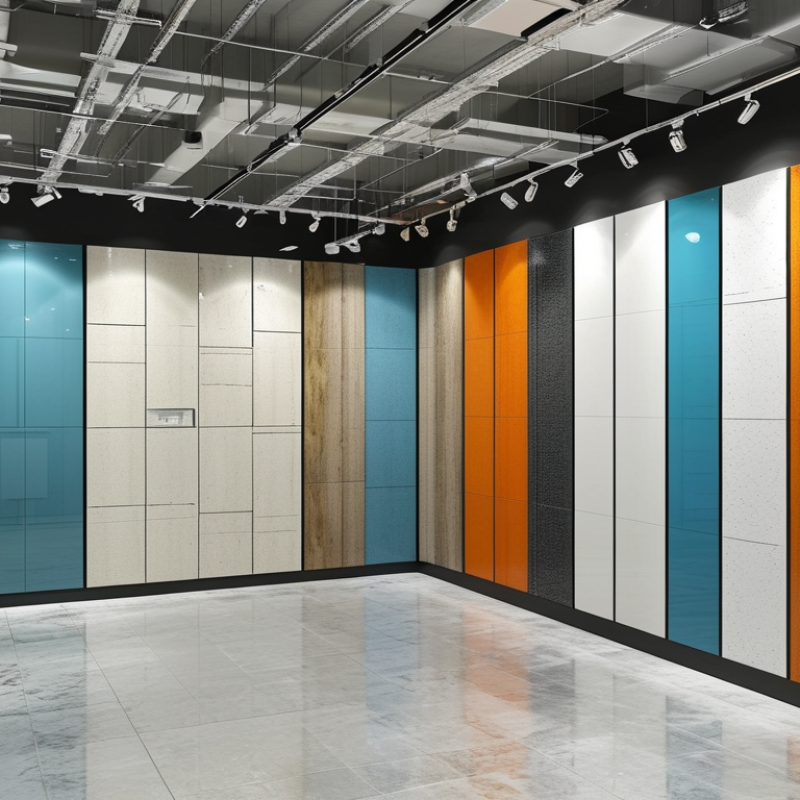
PVC wall panels 4x8 are large sheets, usually covering 32 square feet. Their size can reduce seams and speed up installation. However, one sheet can be difficult to carry through narrow rooms. Plan the route before ordering.
Core features include moisture resistance, easy cleaning, and low maintenance. These panels suit bathrooms, utility rooms, workshops, and other damp areas. Surface textures vary from smooth gloss to subtle stone-like patterns. Check thickness, edge design, and panel rigidity before choosing. Thicker panels often feel more stable, but they may require stronger cutting tools. I once underestimated the weight of a full sheet. That mistake slowed the installation.
Tips: Measure each wall twice, including doors and outlets. Leave a small expansion gap around edges. Use a level during installation, because minor errors become obvious across a 4x8 sheet. Confirm the recommended adhesive and fasteners from reliable technical documentation. Also check local building requirements, especially for fire performance and wet-area use. Do not assume every PVC panel meets the same standard. A clean surface matters, but it is easy to overlook old dust or grease. A test cut on scrap material can prevent a costly mistake.
Before choosing PVC wall panels 4x8, define the room’s actual demands. A busy washroom needs moisture resistance, easy cleaning, and sealed joints. A workshop may require stronger impact resistance and safer surface performance. Measure each wall, including doors, corners, and service openings. One standard panel may not fit neatly around pipes.
Check the substrate carefully. Panels installed over damp, uneven walls can show ripples or loosen later. In my projects, a small moisture check has prevented expensive rework. Review the panel thickness, surface finish, temperature range, and installation instructions. Also confirm the panel’s fire and hygiene documentation for your building type. These details matter more than a glossy photograph.
Tips: Sketch the wall layout before ordering. Include cutting waste, usually around 8–12 percent. Test one panel in the room first. Light can reveal scratches, color variation, or visible seams. Plan adhesive, trims, and corner profiles together. I once underestimated trim needs, and the final installation looked unfinished. That mistake was avoidable. Never assume every 4x8 panel has identical usable coverage. Measure twice.
For a 4x8 PVC wall panel, thickness affects handling, rigidity, and impact resistance. Solid panels around 5–8 mm usually feel more stable on large walls. Thinner sheets can work over flat, continuous backing, but they may telegraph uneven studs. A 4x8 sheet covers 32 square feet, so measure openings carefully before ordering. According to Grand View Research’s 2024 PVC Market Size report, the global PVC market reached about US$56 billion in 2023. That scale reflects broad demand, not proof that every panel suits every room.
Surface design changes more than appearance. Embossed textures can disguise small scratches and wall imperfections. Glossy finishes clean easily, but they reveal dents, adhesive marks, and uneven joints. Matte patterns often look calmer under strong LED lighting. In practical installations, I prefer sample boards viewed beside windows and artificial lights. Small details matter. Still, printed grain may look artificial at close range.
Performance requires documented testing, not confident sales language. Check ASTM E84 or equivalent fire-test results, moisture resistance data, cleanability ratings, and dimensional stability information. The U.S. Environmental Protection Agency’s 2023 Indoor airPLUS specifications emphasize low-emitting materials and proper ventilation, useful considerations for enclosed interiors. Do not assume thicker means safer. A thicker panel can remain vulnerable to heat, poor fastening, or water behind the joints. I once focused too much on rigidity and overlooked substrate movement. That mistake still influences my specifications. Examine the panel core, installation method, warranty limits, and test conditions before choosing.
Choosing PVC wall panels 4x8 starts with installation conditions, not appearance. Measure the wall height, width, corners, and openings before ordering panels. Check that the surface is flat, dry, clean, and structurally sound. A two-meter straightedge can reveal uneven areas that measurements may miss. Repair loose plaster, deep cracks, or moisture damage before covering the wall. Damp walls remain a serious concern.
Confirm the room’s temperature and ventilation requirements. Bathrooms and utility rooms may need additional moisture control. Check local building requirements for fire performance, electrical clearances, and safe installation near heat sources. The panel’s technical sheet should identify suitable substrates, adhesives, fasteners, and spacing. Do not assume every PVC panel works over painted masonry, plywood, tile, or metal framing.
Prepare a tape measure, level, straightedge, pencil, fine-tooth saw, sharp utility knife, drill, and protective eyewear. Keep a clean cutting surface nearby. Measure twice. Cut once. Dry-fit each panel before applying adhesive or installing screws. Leave the specified expansion gap around edges and fixed objects. Use compatible trims for corners and joints, especially where movement may occur. I once trusted a perfectly measured opening and missed a slightly leaning wall. The final joint showed the error clearly. That experience changed my process: I now check plumb lines, test a small hidden area, and confirm material compatibility before installing the full wall.
The chart shows the number of 4x8 PVC wall panels needed for different wall areas. Each panel covers 32 square feet, and the calculation includes a 10% allowance for cutting waste and fitting adjustments.
Before installation, confirm that the wall surface is clean, dry, flat, and structurally sound. Typical tools include a tape measure, level, straightedge, fine-tooth saw or utility knife, drill, fasteners, and compatible adhesive. Check that the selected panel system is suitable for the room’s moisture exposure, temperature range, substrate, and local fire-safety requirements.
How to Choose PVC Wall Panels 4x8 for Your Project
Price the entire installation, not only the PVC sheet. Include trims, adhesive, delivery, substrate repairs, cutting waste, and labor. A 4x8 panel covers 32 square feet before deductions. Door openings and corner cuts can increase waste quickly. The U.S. Bureau of Labor Statistics publishes monthly Producer Price Index data for plastics and construction inputs. Use those figures when comparing supplier quotes. ENR’s 2024 Construction Cost Index also shows meaningful regional differences in labor and material pricing. My early estimates ignored freight. That assumption failed.
Supplier quality requires more than a low invoice. Request a technical data sheet, installation instructions, batch information, warranty terms, and independent fire-test documentation. Check whether the product has been tested under ASTM E84 or another applicable standard. Confirm the tested thickness and surface finish. They may not match your selected panel. Ask for two samples. Inspect the tongue, edge, color consistency, and surface scratches under bright light. A cheap sample can hide expensive installation problems.
Maintenance costs depend on the room, not just the panel. Nonporous PVC usually allows simple wiping, but seams still collect dust and moisture. Specify neutral cleaners and avoid abrasive pads. In sunlit rooms, ask for documented UV resistance and expected color stability. Keep spare panels from the same production batch. My practical mistake was treating “washable” as “maintenance-free.” It is not. Door impacts, poor backing, and thermal movement can still create repairs.
| Evaluation Dimension | Typical Benchmark for 4 × 8 ft PVC Panels | Practical Cost or Performance Range | Why It Matters | Recommended Verification |
|---|---|---|---|---|
| Panel coverage | 4 × 8 ft per sheet | Approximately 32 sq. ft. before trimming, joints, and waste | Provides a consistent basis for comparing unit prices and estimating quantities. | Confirm usable coverage after accounting for tongue-and-groove edges, overlap, or joint gaps. |
| Common thickness | 3 mm, 5 mm, 8 mm, and 10 mm are common commercial options | Thicker panels generally cost more but offer greater rigidity and impact resistance. | Thickness affects substrate requirements, handling, durability, and visual flatness. | Request a technical datasheet and measure a sample with a caliper. |
| Material composition | Rigid PVC, either solid, hollow-core, or cellular-core construction | Solid panels are usually heavier; hollow or cellular panels reduce weight and handling effort. | Construction influences screw holding, impact performance, moisture resistance, and cutting behavior. | Inspect the panel edge and confirm the stated construction in writing. |
| Indicative material cost | Product-only pricing, excluding freight, tax, trims, adhesive, and labor | About $1.50–$5.00 per sq. ft.; approximately $48–$160 per 4 × 8 ft sheet | Prices vary with thickness, finish, fire rating, order quantity, and shipping distance. | Compare delivered cost per usable sq. ft., not only the advertised sheet price. |
| Installation cost factors | Adhesive, mechanical fasteners, trims, substrate preparation, cutting, and labor | Installation can add roughly $2.00–$8.00 per sq. ft., depending on site conditions and labor rates. | A low panel price may not produce a low installed cost if the wall needs extensive preparation. | Obtain an itemized quotation separating materials, trims, preparation, and labor. |
| Waste allowance | Extra material for cuts, openings, damaged edges, and future repairs | Typically 5%–15%; complex layouts may require more. | Accurate waste planning reduces shortages and avoids mismatched replacement panels. | Create a cutting layout before ordering full sheets. |
| Moisture resistance | PVC itself is non-porous and resistant to water absorption under normal use | Suitable for many bathrooms, utility rooms, kitchens, and wash-down areas when joints are sealed correctly. | Water can still enter through unsealed seams, penetrations, or the wall behind the panel. | Review installation instructions and confirm compatible sealants and trims. |
| Fire performance | Fire behavior varies by formulation, thickness, and tested assembly | No fire rating should be assumed solely because a panel is made from PVC. | Commercial and public projects may require documented flame-spread and smoke-development results. | Request current test reports and verify compliance with the project code and occupancy type. |
| Temperature limitations | PVC can soften, expand, or distort when exposed to excessive heat or direct sunlight | Avoid unapproved use near high-heat equipment, steam sources, or high-temperature surfaces. | Thermal movement can cause bowing, open joints, or adhesive failure. | Check the manufacturer’s service-temperature range and expansion-joint requirements. |
| Supplier documentation | Technical datasheet, installation guide, safety information, warranty, and test reports | A complete documentation package should be available before purchase. | Documentation reduces installation errors and helps confirm suitability for regulated projects. | Reject quotations that provide only photographs and a price without technical details. |
| Color and batch consistency | Decorative finishes may vary slightly between production batches | Order the complete visible quantity from one production batch when possible. | Batch variation is especially noticeable on large, continuous walls. | Approve a physical sample and record the batch or lot number. |
| Cleaning requirements | Routine cleaning with a soft cloth, warm water, and mild non-abrasive detergent | Regular cleaning is generally low-cost and does not require specialized equipment. | Abrasive pads, harsh solvents, and excessive heat may damage the surface or finish. | Perform a small compatibility test before using disinfectants or strong cleaners. |
| Joint and edge maintenance | Inspect seams, corners, trims, and penetrations periodically | Repair deteriorated sealant promptly; localized repairs are usually less costly than full replacement. | The panel may remain waterproof only when its joints and perimeter details are intact. | Include a visual inspection at least annually and after leaks or impact events. |
| Expected service life | Often 10–20 years in suitable interior applications with correct installation and maintenance | Actual life depends on impact, UV exposure, heat, cleaning chemicals, moisture control, and substrate movement. | Long-term value depends more on application and installation quality than on initial sheet price alone. | Compare the written warranty, exclusions, replacement availability, and maintenance requirements. |
| Replacement planning | Keep spare panels, trims, and approved sealant for future repairs | A practical reserve is commonly 1–3 additional panels for small and medium projects. | Future production batches may not match the original color, texture, or dimensions exactly. | Store spares flat, dry, protected from sunlight, and supported across the full panel length. |