Leave Your Message

7 Tips for Choosing PVC Exterior Cladding

PVC exterior cladding can give a building a clean, low-maintenance finish, but the right choice involves more than color. Climate, wall condition, product quality, and installation details all affect how the finished surface looks and performs. Pvc Cladding Exterior options vary in profile, thickness, texture, and fixing method, so two products that look similar in a showroom may behave differently once fitted.

This guide introduces seven practical points to check before choosing. Compare samples outdoors, where daylight can reveal a color difference that indoor lighting hides. Look closely at joints, corners, and edges; these small details shape the overall finish. Small details matter. Also ask the supplier for care instructions and technical information, including guidance on expansion and installation. Follow the product manufacturer’s specifications, since fixing requirements can differ between systems.

Consider the building itself, too. A shaded wall may show dirt differently from a sun-exposed one, while an uneven surface can make alignment harder. Not every wall is simple. It is easy to focus on appearance and overlook preparation, and that can lead to avoidable frustration. Check that the chosen cladding suits the project conditions, and have a qualified installer assess any uncertainties. No product is maintenance-free. With a little careful comparison, these seven tips can help you balance appearance, durability, upkeep, and cost without relying on a brochure’s best-looking photograph alone.
7 Tips for Choosing PVC Exterior Cladding

Assess Your Building’s Needs and Environmental Conditions

Before choosing PVC exterior cladding, assess the building rather than relying on a sample in a showroom. Walk around it after rain, if possible. Look for peeling paint, damp patches, cracked render, and water collecting near the base. Cladding can shield a sound wall, but it will not fix a hidden leak. Note the wall material, existing insulation, and any uneven areas that may need preparation.

Then consider local conditions. A south-facing wall may receive strong sun, while an exposed corner can face driving rain and gusty winds. Coastal air, freeze-thaw cycles, and large temperature swings can also affect how the cladding performs. Check the manufacturer’s published limits for temperature, wind exposure, and installation spacing. Ask a qualified installer how the proposed fixing method suits your wall. Small details matter. Expansion gaps, ventilation, and drainage paths need to match the system and the building.

Think about upkeep, too. Nearby trees may leave sap or shade a wall that dries slowly. A light colour can reduce heat absorption, but may show dirt more clearly. Measure each elevation and photograph problem areas before requesting quotes. These notes help make estimates more realistic. Still, a quick inspection can miss moisture behind a wall; that uncertainty deserves attention, not a guess.
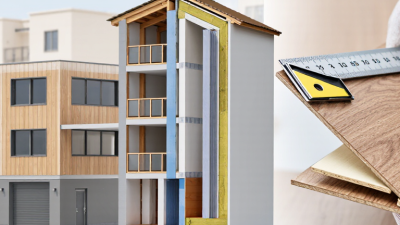
Compare PVC Cladding Grades, Thicknesses, and Durability

PVC exterior cladding grades can describe material quality, surface protection, or intended use, so compare specifications rather than relying on a grade label alone. Check whether the boards are solid or cellular PVC, and ask about UV protection and impact resistance. These details matter on a sun-facing wall or beside a busy path. Labels vary.

Thickness is useful, but it does not tell the whole story. Compare the board’s overall depth with the thickness of its visible face and fixing edges. A chunky profile may still have thin walls that flex between battens. Not always. Request a cut sample, if available, and inspect the edges for even walls, clean joints, and signs of brittleness. Pressing it gently can reveal flex, though this is not a formal strength test.

Durability also depends on installation and exposure. A suitable grade may fade or distort if it lacks adequate UV protection or is fixed too tightly for expansion. Check the manufacturer’s technical sheet for temperature range, cleaning guidance, and fixing requirements. Match these details to your local weather and wall layout. One awkward detail is easy to overlook: a durable board cannot compensate for poor ventilation behind the cladding. Compare warranties carefully, but treat them as supporting evidence, not proof of performance.

Choose a Profile, Colour, and Finish That Suit Your Property

Choosing a PVC exterior cladding profile starts with the shape of the property. Narrow boards can suit a compact home, while wider profiles may look more balanced across a broad wall. Check how corners, window surrounds, and roof edges will meet the boards. These details affect the finished appearance as much as the main profile.

Colour changes with light. A pale grey sample may look cool beside a north-facing wall, yet warmer in direct sun. View samples outdoors at different times of day, and compare them with roof tiles, brickwork, and nearby trim. Small details matter. I would not decide from a tiny showroom sample alone; it can hide the texture and shade variation across a full wall.

The finish should suit both the building and its setting. A smooth surface gives a clean, simple look, while a wood-effect texture can add visual warmth without using timber. Consider how dust, rain marks, and nearby trees may show on each option. Ask for product guidance on cleaning and installation, and confirm that the selected profile and finish are suitable for the exposure at your site. It is easy to focus too much on appearance. Check practical requirements before ordering, and allow time to reconsider if the sample feels wrong outdoors.

7 Tips for Choosing PVC Exterior Cladding — Choose a Profile, Colour, and Finish That Suit Your Property

Tip What to consider Options and examples Practical guidance
1 Match the profile to the property Horizontal shiplap-style boards; vertical board-and-batten-style layouts; flat or tongue-and-groove-style profiles. Consider the building’s proportions and existing architectural details. Horizontal lines can emphasize width, while vertical layouts can draw the eye upward. Check that the chosen profile is intended for exterior use.
2 Check how the profile handles water Interlocking edges, overlapping joints, and profiles designed to shed rain. Choose a system with clear installation details for joints, corners, openings, and the base of the wall. Cladding is part of a wall assembly, so correct flashing, drainage, and installation matter as much as the board profile.
3 Choose a colour for the setting Light neutrals, muted greys, warm earth tones, or darker accent colours. Compare colour samples outdoors and beside permanent features such as brick, stone, roofing, and window frames. Colours can look different in direct sunlight, shade, and overcast conditions.
4 Consider sun exposure and heat A lighter colour for a sun-exposed wall; a darker shade where it suits the design and the product is approved for that use. Dark surfaces generally absorb more solar heat than light surfaces. Check the cladding supplier’s guidance for colour, orientation, and installation because heat can affect movement and performance.
5 Select a finish that fits the look Smooth, low-sheen, or textured finishes, including woodgrain effects. A textured finish can create a more traditional appearance, while a smoother finish can suit a simpler, contemporary design. Review a full-size sample if possible; small samples may not show the appearance across a whole wall.
6 Balance appearance with upkeep Low-maintenance PVC surfaces in colours and finishes that suit the property’s surroundings. PVC cladding typically does not require painting, but it still needs cleaning and inspection. Follow the product’s care instructions and avoid abrasive cleaners or tools unless the manufacturer permits them.
7 Confirm installation requirements Fixings, corner trims, ventilation details, expansion gaps, and compatibility with the wall construction. PVC expands and contracts with temperature changes. Use the specified fixings and movement allowances, and check local building requirements and the product installation guide before choosing or installing the cladding.

Check Installation Requirements and Compatibility with Existing Walls

Before ordering PVC exterior cladding, check the installation guide against your wall’s actual construction. A timber-framed wall, masonry surface, and older rendered wall may need different battens or fastening methods. Measure wall flatness with a long level; even small dips can leave panels uneven. A quick glance is not enough.

Look for signs of damp, loose render, or damaged sheathing before covering anything. Cladding can hide a problem, not fix it. Keep a clear route for drainage and ventilation behind the panels, and confirm that window heads, corners, and the wall base can accept the required flashing and trims. Check how the system handles expansion, too. PVC moves with temperature, so tight joints or misplaced screws may cause buckling. Details matter.

Compare the specified fasteners and support spacing with the structure behind your wall, not just its surface. If the existing finish is thick, brittle, or poorly bonded, attaching panels directly may be unreliable. I have seen a neat-looking sample installation behave differently on an uneven house wall; that part is easy to underestimate. Ask an experienced installer to inspect uncertain areas, and follow the cladding instructions for clearances, joint gaps, and openings. Some preparation feels slow. It usually prevents awkward repairs later.

Compare Warranty, Maintenance Needs, and Total Project Cost

7 Tips for Choosing PVC Exterior Cladding
Compare Warranty, Maintenance Needs, and Total Project Cost

A low panel price can hide costs for trim, flashing, insulation, scaffolding, and waste removal. Ask for an itemized quote that separates materials from labor. Then compare the same wall area and installation scope across bids. Small details matter: an awkward corner or uneven substrate can add hours.

Check the warranty’s length, transferability, labor coverage, and exclusions for fading, impact, or improper installation. Longer is not always better. Some coverage may decline over time or exclude installation costs, so read the terms closely. For upkeep, ask what cleaning products and methods the cladding allows. A garden hose and soft brush may be enough for routine dirt, but shaded walls can still collect algae. Check them anyway.

Use market data as context, not a promise. Remodeling magazine’s 2024 Cost vs. Value report estimated a national average of $17,410 for vinyl siding replacement, with $15,485 in resale value, or about 88.9% cost recouped. Those figures cover a specific remodeling project, not every PVC cladding system or a full lifetime cost. They also do not settle the question. Get local labor estimates, compare expected maintenance, and keep a reserve for repairs; the cheapest quote can still be the wrong one.

7 Tips for Choosing PVC Exterior Cladding

Compare warranty, maintenance needs, and total project cost before choosing a cladding material.

Estimated U.S. installed-cost planning ranges per square foot of wall area. Actual prices vary by region, labor, wall preparation, trim, and product specification. Multiply the range by your measured wall area, then add project-specific costs.

Warranty and maintenance checks

Cladding type Warranty questions Routine maintenance to consider
PVC Check coverage for fading, impact damage, installation, and transferability. Wash as directed; inspect joints, seals, and damaged panels.
Vinyl Review exclusions, wind limits, color coverage, and required installation details. Wash periodically; check panels and accessories after severe weather.
Fiber cement Separate product coverage from paint coverage and confirm installation requirements. Inspect caulk and paint; repaint when needed and keep water directed away.
Engineered wood Check moisture-related exclusions, upkeep requirements, and coverage terms. Maintain paint or finish; inspect edges, joints, and areas exposed to moisture.

Warranty length and coverage depend on the specific product and installation; compare written terms rather than relying on a material-wide warranty assumption. For total project cost, include trim, flashing, insulation, removal, repairs, labor, and future maintenance.