Leave Your Message
-
Facebook
-
Whatsapp
-
Whatsapp

China’s PVC exterior cladding market offers buyers a wide range of profiles, finishes, and factory capabilities. Yet a polished catalogue does not prove consistent production quality. This guide compares suppliers through practical checks: product specifications, testing records, customization options, export experience, and sample consistency. Small details matter. A clean corner joint, an even wood-grain finish, and a clear installation guide can reveal more than a sales claim.
The scale of the building challenge gives material choices real context. The 2023 Global Status Report for Buildings and Construction, published by UNEP and the Global Alliance for Buildings and Construction, estimates that buildings and construction account for 37% of global energy- and process-related carbon dioxide emissions. That figure does not prove PVC cladding improves a building’s performance. It does show why buyers should examine the whole wall assembly, including insulation, ventilation, and installation quality. International Energy Agency Executive Director Fatih Birol has described energy efficiency as “the first fuel.” It is a useful principle, though not a product endorsement.
The companies featured here are assessed as potential partners, not declared universal winners. A supplier suited to a large hotel project may not fit a small renovation. Ask for current test reports, production details, and references for comparable projects. Then compare the actual samples under daylight. PVC Cladding Exterior products can look similar in photographs, but color, surface texture, and edge finish may differ noticeably in person. Supplier information can also change; verify key claims directly before ordering.
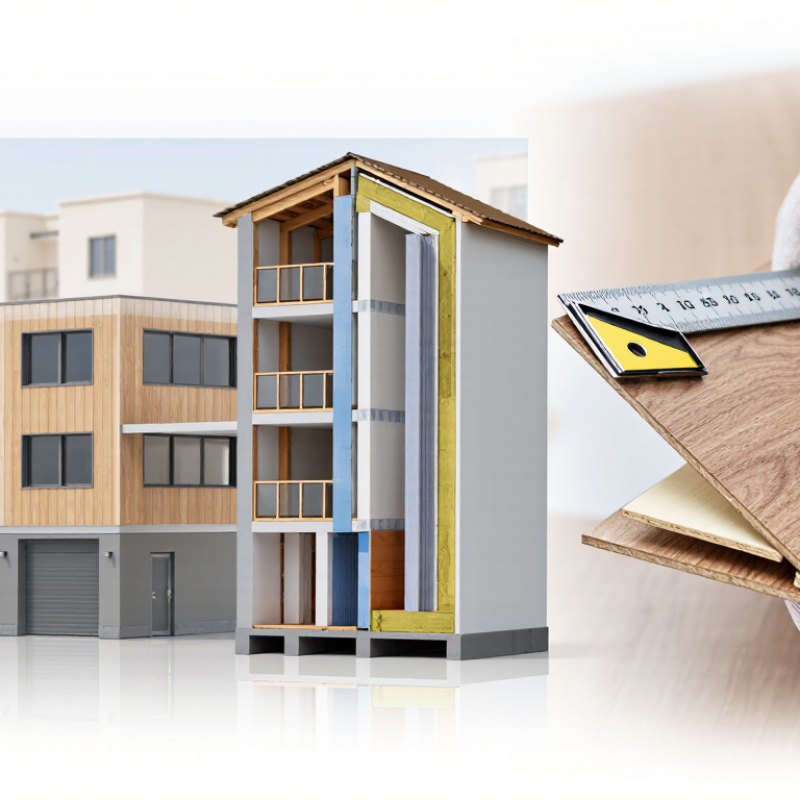
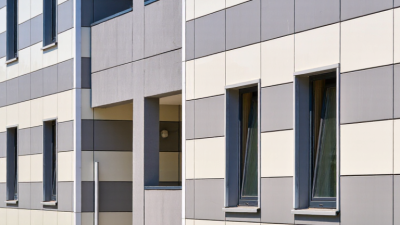
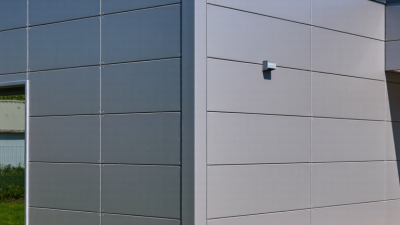
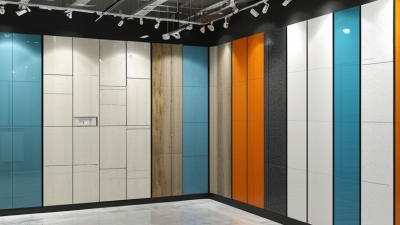
PVC exterior cladding is a wall covering made from polyvinyl chloride, a lightweight plastic. It is fitted to the outside of buildings to provide a finished surface and help shield walls from rain and everyday wear. Panels may imitate wood grain or have a smooth, simple finish. They are commonly used on homes, extensions, and some commercial buildings. Not a complete waterproofing system, though.
Installation varies by product and wall design. Some systems use battens to create a ventilated gap behind the panels; others require different preparation. Correct flashing around windows, doors, and corners helps direct water away from vulnerable joints. PVC usually needs less painting than timber, but dirt and surface damage still need attention. A small sample can look convincing, yet color and texture may appear different across a full, sunlit wall. Check technical sheets, installation guidance, and sample panels before choosing a supplier.
Tips: Ask how panels expand with temperature, and leave the specified movement gaps. Confirm cleaning instructions and replacement availability. If the wall stays damp, investigate the cause before covering it. cladding can hide a problem, not fix it.
PVC exterior cladding is an exterior wall covering made from polyvinyl chloride profiles or panels. It is installed over a suitable wall assembly to provide a finished façade; it is not, by itself, a substitute for structural framing or a complete waterproofing system. The entries below describe common supplier types and product capabilities found in the market, not named or ranked companies.
| Supplier Type | Common PVC Cladding Products | Typical Applications | Relevant Product Features | What Buyers Should Verify |
|---|---|---|---|---|
| Dedicated PVC profile manufacturer | Extruded siding boards, wall panels, corner pieces, and matching trim | Residential façades, sheds, garages, and renovation projects | Profiles may be solid, hollow, or cellular; surface finishes and colors depend on the product range | Profile drawings, material specifications, dimensional tolerances, color consistency, and installation instructions |
| Building-materials manufacturer with an exterior products range | PVC cladding systems alongside complementary exterior trims and accessories | New-build and refurbishment projects requiring coordinated façade components | A broader accessory range can help match corners, starter strips, and finishing details to the panels | Compatibility of panels and accessories, stated application limits, warranty terms, and technical documentation |
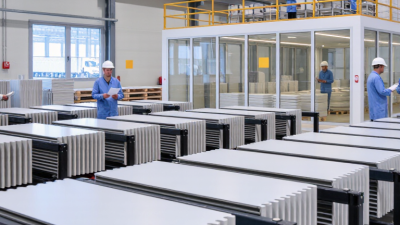
| OEM and export-oriented factory | Made-to-order PVC profiles, packaging options, and products manufactured to buyer specifications | Private-label distribution and project procurement for overseas markets | Customization may cover profile geometry, color, packing, and product labeling, subject to factory capability | Written specifications, pre-production samples, production quality checks, export packaging, and shipment terms |
| Façade-system supplier or fabricator | Cladding panels supplied with selected trims, fixings, and system components | Projects where coordinated components and installation guidance are important | May provide system-level details for joints, corners, openings, and panel movement | Whether the proposed components are designed to work together, plus details for drainage, ventilation, and movement |
| Distributor or sourcing supplier | Stocked PVC siding and cladding products sourced from one or more manufacturers | Smaller orders, local availability, and mixed-product purchasing | Stock selection and lead times can vary by region, product, and order quantity | Actual manufacturing source, available stock, batch consistency, product test records, and after-sales support |