Leave Your Message

How to Choose PVC Cladding Sheets for Your Project?

Choosing Pvc Cladding Sheets is not just a colour decision. The right sheet must suit the room, the wall beneath it, and the conditions it will face. A bathroom wall exposed to frequent splashes has different needs from a dry hallway or a workshop partition. Sheet thickness, surface finish, joint design, and installation method all affect the result.

PVC cladding specialist Alex Morgan offers a useful project-side reminder: “Choose the sheet for the conditions it must face, not only for the finish you want.” That principle is practical, though it is not a substitute for checking product specifications. Compare the manufacturer’s guidance on moisture exposure, cleaning, temperature limits, fixing centres, and compatible trims. A glossy panel may brighten a narrow room, while a textured finish can make small marks less obvious. Details matter.

Measure carefully. Check corners, windows, pipes, and the distance between fixing points before ordering. A few millimetres can affect how trims meet, especially around an uneven wall. Confirm whether the substrate needs preparation and whether the product is suitable for the intended location. Do not assume every PVC panel performs the same way.

There are trade-offs. Lower-cost sheets may suit a simple interior refresh, but their finish or fitting system may not meet every project’s needs. Even a careful choice can miss something. Recheck the installation instructions and sample the colour in the actual room; lighting can change its appearance. This guide explains how to compare options with the project’s use, appearance, and practical constraints in view.
How to Choose PVC Cladding Sheets for Your Project?

Understanding PVC Cladding Sheets and Their Common Uses

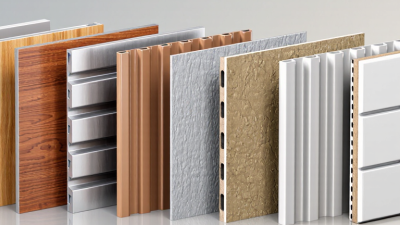
PVC cladding sheets are lightweight panels made from polyvinyl chloride. They create a cleanable surface over walls or ceilings, and many have tongue-and-groove edges for a neater fit. Their finish may be smooth, textured, or printed to resemble tile or timber. Check the product’s technical sheet for thickness, fire performance, and installation requirements; appearance alone tells you little.

These sheets are often used in bathrooms, utility rooms, kitchens, and commercial wash areas. In a bathroom, they can cover a wall above a bath or basin, where occasional splashes are common. They also suit laundry rooms, where detergent marks and damp towels can be part of daily life. Not every sheet is intended for every location. Confirm whether the panel is rated for the moisture, heat, and cleaning products it will face.

Before choosing, measure the wall carefully and note corners, pipes, and window openings. A panel may be easy to wipe, but joints and cut edges still need suitable sealing. That detail is easy to overlook. Think about the existing surface, too: uneven walls may need preparation before installation. PVC cladding can be practical, though it may not offer the same feel or repair options as tile. The right choice depends on the room, the substrate, and the finish you can maintain.
Defining Your Project’s Functional and Design Requirements

Defining Your Project’s Functional and Design Requirements

Start with the wall’s job, not its colour. Is the sheet for a splash-prone utility room, a busy corridor, or an exterior façade exposed to sun and rain? Each setting changes the priorities. Measure wall height, width, corners, openings, and substrate flatness before comparing sheet sizes. Measure the wall first. Note cleaning routines, likely impacts, and whether concealed services need access. A glossy finish can brighten a narrow room, but it may also show scratches and uneven walls. A small sample helps; it can still mislead under different lighting.

For exterior use, check the manufacturer’s technical data for UV resistance, temperature limits, fixing details, and movement gaps. For interiors, review cleaning guidance, impact performance, and fire-test information for the complete wall assembly.

VinylPlus’s 2023 Progress Report records 813,266 tonnes of PVC recycled in Europe in 2022 through its programme. That industry figure shows recycling activity, not the recycled content or recyclability of any particular cladding sheet.

Ask suppliers for product-specific documentation, including thickness, composition, and end-of-life guidance. I would not choose on appearance alone. The easy detail to miss is compatibility between the sheet, adhesive, and substrate; confirm the full installation method before ordering.

Comparing Sheet Types, Thicknesses, Finishes, and Profiles

PVC cladding sheets vary in construction, and the right choice depends on their location and support. Solid sheets feel rigid and suit areas where a firm surface matters. Foam-core sheets are lighter and easier to handle, but need suitable backing and careful fixing. Hollow profiles can reduce weight, though their edges and joints may need extra attention. Check the product data for impact resistance and approved installation methods.

Thickness affects stiffness, weight, and how well a sheet bridges uneven support. A thicker sheet is not automatically better; confirm that it fits the framing, trims, and fixings you plan to use. Small gaps matter. PVC expands with temperature changes, so follow the specified joint clearances rather than fitting panels tightly. Finishes also change the look and upkeep: gloss can brighten a dim room, while a textured surface may disguise minor marks. A glossy sample can look crisp under showroom lights, yet show scratches more clearly at home. Compare samples in the project’s actual lighting. Finally, choose a profile—such as tongue-and-groove or overlap—that suits the wall layout, and check outdoor suitability where sheets will face sunlight or moisture.

How to Choose PVC Cladding Sheets for Your Project?

Example PVC cladding sheet thicknesses available on the market

Thickness options vary by product and are not a universal standard. Check the product datasheet and installation requirements when comparing sheet types. Also consider the finish and profile: these affect appearance, cleaning, and how panels connect.

Assessing Durability, Installation Needs, and Maintenance

PVC cladding sheets should suit the conditions on the wall, not just its appearance. Check the stated impact resistance, UV stability, and temperature range for the project location. A wall in afternoon sun may fade or expand more than a sheltered one. Compare thickness and profile requirements using the technical data. Thicker is not automatically better.

Installation details affect performance. Measure the wall, then confirm whether battens, ventilation gaps, and specific fixings are required. Allow the recommended expansion clearance at edges and joints, since PVC can move with heat. Dry-fit around windows and corners before cutting. Check twice. Small errors show.

Plan maintenance around everyday use. Smooth sheets may need only water and mild detergent, but abrasive pads can scratch them. Check whether the cleaning guidance suits products you already use. Inspect joints, trims, and cut edges after storms or seasonal temperature changes; loose fixings can allow water behind the cladding. I would not judge durability from a showroom sample alone. That is an easy mistake. Record warranty terms and limits, but treat them as supporting evidence, not a substitute for careful installation. A project may need more planning than expected. It deserves a second look.

Checking Building Standards, Supplier Quality, and Total Cost

How to Choose PVC Cladding Sheets for Your Project?

Building standards are a sensible starting point, but requirements vary by location and application. Check the project specifications for fire performance, weather resistance, and any structural requirements. Ask for current technical data and test documents that match the exact sheet type and thickness. A general product brochure may not cover your installation. Details matter.

Supplier quality shows up in more than polished photos. Request a sample and inspect its surface, edges, colour, and rigidity in daylight. Ask how the supplier controls sheet thickness and batch consistency, and what happens if delivered panels arrive damaged. Clear answers help. Still, one sample cannot guarantee every sheet will look identical; I would check a larger batch when colour matching is critical.

Compare the full installed cost, not just the price per sheet. Include trims, fixings, delivery, cutting waste, and labour. A low quote may exclude items needed for corners or window reveals. PVC sheets can also need cleaning, and access may add upkeep costs over time. Make a simple quantity list before ordering. It will not be perfect, especially if walls are uneven, but it can reveal missing costs early. A little measuring now can prevent an awkward shortfall later.

How to Choose PVC Cladding Sheets for Your Project? - Checking Building Standards, Supplier Quality, and Total Cost

Decision area What to check Useful evidence or measurement Why it matters
Building-code compliance Confirm that the product and wall assembly meet the requirements for the project location and building type. Check applicable local rules. Depending on the market and product, relevant references may include EN 13245-2 for certain PVC-U wall and ceiling profiles or ASTM D3679 for rigid PVC siding. A product standard does not replace local code approval or confirm that every installation detail is compliant.
Fire performance Check the required fire classification for the intended use, building height, and installation type. Request a current test or classification report for the relevant product and, where required, the complete wall assembly. EN 13501-1 is one classification framework used in Europe. Fire performance can vary by product and assembly; do not assume one rating applies to all PVC cladding.
Dimensions and fit Match sheet or profile dimensions, thickness, joint design, and fixing method to the drawings and substrate. Compare the stated dimensions with the product data sheet; confirm tolerances, usable cover width, compatible trims, and installation clearances. Usable cover width and joint details affect the quantity required and the finished appearance.
Weather and UV exposure Check suitability for the project’s climate, sun exposure, moisture conditions, and intended service environment. Ask for documented outdoor-use guidance and relevant weathering-test information. ISO 4892-2 describes a laboratory method for xenon-arc exposure; it is not, by itself, a service-life guarantee. Exposure conditions can affect colour retention, appearance, and maintenance needs.
Supplier quality and traceability Check that product specifications, batch identification, delivery condition, and technical support are clearly documented. Review sample labels, batch or lot records, written installation instructions, warranty terms, and a process for reporting defects. Traceable, consistent documentation makes it easier to verify deliveries and resolve quality issues.
Installation requirements Confirm the required subframe, ventilation or drainage details, fasteners, edge trims, and movement allowances. Use the manufacturer’s installation instructions and project drawings; check compatibility with the substrate and site conditions. Incorrect fixing or insufficient movement allowance can lead to distortion, water-management problems, or premature repairs.
Quantity and waste Calculate the net wall area, deduct openings where appropriate, and add a project-specific allowance for cuts and damage. Compare the measured area with the product’s usable cover area per sheet or profile. Base the waste allowance on layout, openings, and cutting pattern. Ordering by nominal sheet area alone can underestimate the quantity needed.
Total installed cost Compare complete project costs rather than the sheet price alone. Include cladding, trims, fixings, subframe, delivery, installation labour, access equipment, waste, and expected maintenance. A lower material price may not mean a lower installed cost if accessories, labour, or waste are higher.
Final comparison Shortlist products that meet mandatory requirements first, then compare quality documentation and total installed cost. Use the same project area, specification, accessory list, delivery assumptions, and installation scope for each quotation. A like-for-like comparison reduces the risk of selecting an option that appears cheaper only because items are excluded.

Note: Standards and code requirements vary by jurisdiction and application. Confirm current requirements with the local authority or qualified project professional before specifying materials.