Leave Your Message

Top 10 PVC Cladding Sheets for Global Buyers

Choosing the right Pvc Cladding Sheets can shape a building’s appearance, maintenance costs, and long-term protection. Global buyers often compare more than color and price. They examine weather resistance, impact strength, fire performance, surface texture, installation methods, and supplier consistency. A sheet that performs well in a dry warehouse may react differently beside a humid coastline. That difference matters.

This guide introduces ten widely considered options for international projects, including residential interiors, commercial walls, healthcare spaces, and light industrial buildings. Each selection should be judged against local climate, substrate condition, cleaning routines, and expected service life. Product data sheets, test reports, and installation instructions deserve careful review. So does the supplier’s ability to provide stable dimensions, reliable packaging, and responsive technical support. Small details count.

Real projects teach uncomfortable lessons. Attractive finishes can reveal scratches quickly. Low-cost panels may create extra trimming waste. Some buyers also overlook ventilation behind the cladding, which can affect moisture management. Rankings are therefore not absolute. They reflect practical performance, documented specifications, market availability, and common buyer priorities at the time of research. Independent verification remains sensible, especially for fire-rated or heavily used environments.

Expect useful comparisons, but not a perfect answer. Pvc Cladding Sheets must match the building, not merely the brochure. Look closely.
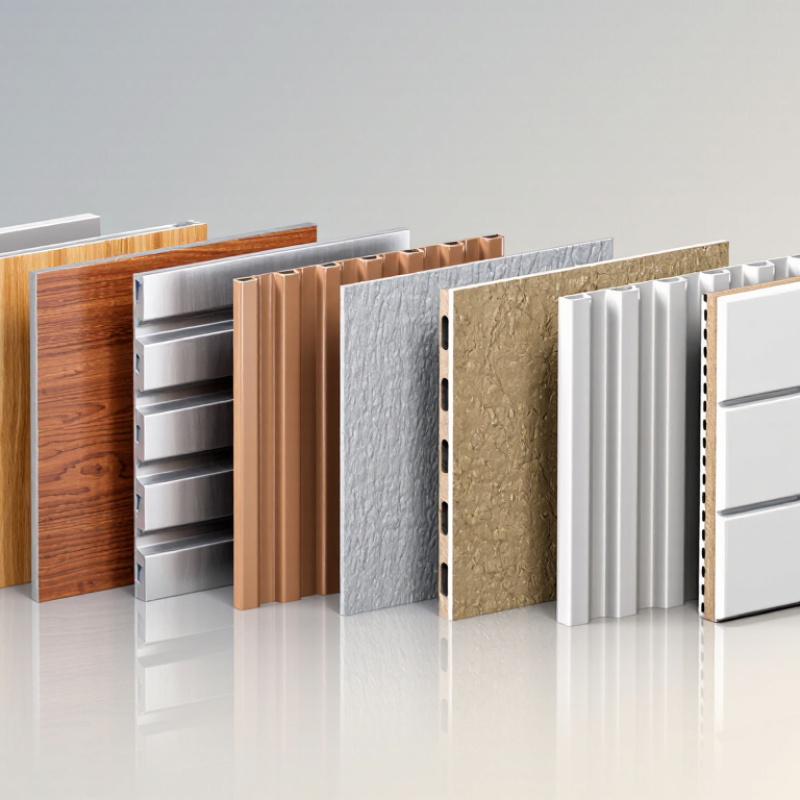
Top 10 PVC Cladding Sheets for Global Buyers

What PVC Cladding Sheets Are and How They Are Used

Top 10 PVC Cladding Sheets for Global Buyers

PVC cladding sheets are lightweight panels used to cover walls, ceilings, and selected exterior surfaces. They are made from polyvinyl chloride, with smooth, textured, embossed, or printed finishes. Their main purpose is practical: protecting a surface while improving its appearance. In workshops, I have seen these sheets used behind sinks, inside food preparation areas, and across retail interiors. They are easy to wipe and do not absorb water like untreated wood.

Different sheets suit different jobs. Rigid PVC panels provide impact resistance for busy corridors. Foam PVC sheets are lighter and easier to cut for signs or decorative walls. Glossy surfaces can brighten narrow rooms, while textured finishes may hide small marks. Installation usually involves measuring, cutting, and fixing panels to a clean, stable surface. Expansion space matters. Ignoring it can cause buckling later. Exterior use also requires checking weather exposure, temperature changes, and fixing methods. No sheet is perfect.

Tips: Check thickness, surface finish, fire performance, and chemical resistance before ordering. Ask for technical data and samples. A sample may reveal color changes under strong light. Keep the panels flat during storage, and let them reach room temperature before installation. I once underestimated wall unevenness, and the final joints looked poor. Careful preparation would have prevented it. Suppliers should provide clear specifications, consistent dimensions, and practical installation guidance for each application.

Top 10 PVC Cladding Sheets for Global Buyers - What PVC Cladding Sheets Are and How They Are Used

PVC cladding sheets are rigid or semi-rigid panels made primarily from polyvinyl chloride. They are used as protective and decorative wall, ceiling, soffit, and interior lining surfaces. Dimensions, thicknesses, fire performance, and installation methods vary by manufacturer and local building regulations.

No. PVC Cladding Sheet Type Typical Thickness Common Panel or Sheet Size Surface and Construction Main Applications Key Advantages Important Buying Considerations
1 Rigid PVC Wall Sheet 1.5–5 mm 1,220 × 2,440 mm; larger custom sizes may be available Solid, smooth or lightly textured PVC surface Interior walls, partitions, retail areas, utility rooms, and protective wall lining Moisture-resistant, easy to clean, lightweight, and simple to cut Check impact strength, UV resistance, thermal movement, and the suitability of the adhesive or mechanical fixings
2 Cellular PVC Cladding Sheet 3–12 mm 1,220 × 2,440 mm is common Foamed or cellular core with a relatively rigid outer skin Exterior trim, façades, signage, window surrounds, and interior architectural panels Low density, good workability, water resistance, and useful dimensional stability Confirm density, screw-holding capacity, surface finish, and exterior weathering performance
3 PVC Wall Panel with Tongue-and-Groove Edges 5–10 mm 250–400 mm wide × 2,600–6,000 mm long Profiled hollow or semi-hollow panel with interlocking edges Bathrooms, kitchens, corridors, ceilings, and quick renovation projects Fast installation, concealed joints, low maintenance, and reduced substrate preparation Review joint sealing, expansion gaps, panel rigidity, and compatibility with wet-room requirements
4 Embossed PVC Cladding Sheet 2–8 mm 1,000–1,220 mm wide × 2,000–3,000 mm long Patterned, wood-grain, stone-look, or textured PVC surface Decorative walls, hospitality interiors, residential renovations, and feature panels Improves visual appearance while concealing minor surface irregularities Check print or embossing durability, color consistency between batches, and cleaning resistance
5 Laminated PVC Cladding Sheet 2–6 mm 1,220 × 2,440 mm or project-specific sizes PVC substrate covered with a decorative film or printed laminate Commercial interiors, retail displays, office walls, and decorative partitions Wide design selection, consistent appearance, and easy routine cleaning Ask for abrasion, peel, stain, moisture, and light-fastness test results where relevant
6 Co-Extruded PVC Cladding Sheet 2–10 mm 1,000–1,220 mm wide × 2,000–3,000 mm long Multi-layer construction with a protective outer cap layer Exterior wall areas, high-contact interiors, transport interiors, and wet environments The cap layer can improve color retention, stain resistance, and surface durability Verify cap-layer thickness, weathering data, weldability, and performance after cutting or drilling
7 Hygienic PVC Cladding Sheet 1.5–3 mm Typically 1,220 × 2,440 mm or long roll-form panels Smooth, non-porous sheet designed for sealed joints and easy sanitation Food-processing areas, commercial kitchens, healthcare support areas, laboratories, and washrooms Resists moisture and supports regular cleaning when correctly installed and sealed Confirm chemical resistance, joint detailing, cleanability, and applicable hygiene or food-contact requirements
8 Fire-Performance PVC Cladding Sheet 2–10 mm Commonly 1,220 × 2,440 mm or profiled panel lengths PVC formulation or construction tested to a stated reaction-to-fire classification Public buildings, corridors, commercial interiors, transport facilities, and regulated projects Can help meet project fire-performance specifications when used as a tested system Never rely on generic claims; request current test reports and check local fire codes, substrates, and fixing systems
9 Anti-Static PVC Cladding Sheet 2–6 mm 1,220 × 2,440 mm is a common format PVC sheet with an anti-static additive or conductive surface treatment Electronics rooms, clean areas, technical spaces, and dust-sensitive facilities Helps reduce electrostatic charge accumulation and attraction of airborne dust Check surface resistance range, humidity dependence, grounding method, and durability after cleaning
10 PVC Soffit and Eaves Cladding Panel 5–10 mm 150–400 mm wide × 3,000–6,000 mm long Exterior-grade profiled panels, often solid or hollow with ventilation options Roof soffits, eaves, porch ceilings, canopies, and sheltered exterior areas Low maintenance, resistant to ordinary moisture exposure, and available in ventilated profiles Assess UV stability, wind loading, ventilation requirements, expansion allowance, and compatible trim profiles
Buyer checklist: Before ordering, confirm the PVC type, thickness tolerance, panel dimensions, surface finish, color stability, impact performance, reaction-to-fire classification, chemical resistance, installation method, packaging, and compliance with the destination country's building and safety regulations.

Key Specifications Global Buyers Should Compare

Top 10 PVC Cladding Sheets for Global Buyers

Key Specifications Global Buyers Should Compare

Global PVC demand is expanding. Grand View Research valued the PVC market at approximately USD 45.8 billion in 2023, with continued growth forecast through 2030. For cladding buyers, market size matters less than measurable performance. Compare sheet thickness, density, width tolerance, and weight per square metre. A 5 mm panel may look economical, yet a denser 8 mm panel can resist impact better during shipping and installation. Check the technical datasheet, not only the product photograph.

Fire performance requires careful verification. EN 13501-1 classifications should be supported by current laboratory reports, while ASTM E84 results may apply to different project requirements. Do not treat these systems as interchangeable. UV resistance also deserves attention. ISO 4892-3 testing can indicate accelerated weathering performance, but exposure cycles do not perfectly reproduce every climate. Coastal sunlight, humidity, and salt can reveal weaknesses sooner. Small details matter.

Compare water absorption, thermal expansion, screw-holding strength, and surface hardness. ASTM D2244 can help assess colour change after exposure, while ISO 4892-3 supports weathering comparisons. Ask whether values represent new sheets or aged samples. That distinction is often missed. Recycled content, VOC data, and an Environmental Product Declaration can strengthen procurement decisions, especially for green-building projects. I would also request batch samples. One sample is not enough. Flatness and colour consistency can vary more than expected.

Top 10 PVC Cladding Sheets by Performance and Application

Top 10 PVC Cladding Sheets for Global Buyers

Top 10 PVC Cladding Sheets by Performance and Application

Global buyers should compare PVC cladding sheets by use, not appearance alone. Grand View Research valued the global PVC market at approximately USD 45 billion in 2023. It also forecasts steady growth through 2030. This supports wider demand, but market growth does not guarantee equal product quality.

For exterior façades, prioritize UV resistance, impact strength, drainage design, and dimensional stability. For bathrooms and kitchens, low water absorption and sealed joints matter more. Healthcare interiors need smooth, cleanable surfaces. Retail projects may prefer printed finishes and fast installation. The top ten options should therefore cover façade, ceiling, wet-room, laboratory, transport, commercial, and residential applications.

Check technical evidence before ordering. Relevant tests may include EN 13501-1 fire classification, EN 438 impact testing, and ISO 4892 weathering exposure. ASTM E84 results can support regional evaluation, but they should not replace local code approval. A 2024 report from Fortune Business Insights identifies construction as a major PVC demand sector, reinforcing the need for application-based selection.

In practice, sheet thickness, backing structure, joint design, and installation temperature can change performance. A thicker panel is not automatically better. That assumption needs testing. Ask for batch data, installation guidance, recycled content information, and third-party test reports. Some specifications still look impressive on paper, yet fail when moisture enters poorly sealed edges.

Installation, Maintenance, and Long-Term Durability Factors

Top 10 PVC Cladding Sheets for Global Buyers

Installation, Maintenance, and Long-Term Durability Factors

When comparing the top ten PVC cladding sheets, installation details often matter more than appearance. Measure the wall carefully, then allow movement gaps around edges and corners. Rigid panels can expand under strong sunlight. A suitable subframe keeps joints straight and reduces surface stress. Use corrosion-resistant fixings in humid or coastal locations. Seal penetrations around windows, but do not block necessary drainage paths. Small mistakes become visible later.

Maintenance is usually simple, but it is not maintenance-free. Wash the surface with clean water and mild detergent every few months. Avoid abrasive pads, strong solvents, and harsh pressure washing. Inspect corner trims, joint sealants, and fasteners after severe weather. Replace damaged sections quickly. Water behind the cladding can remain hidden for weeks.

I once underestimated afternoon heat on a south-facing wall. The panels looked perfect at installation, but one joint tightened noticeably. That experience changed my inspection routine. I now check expansion gaps, ventilation, and color stability before approving a project. Buyers should also request technical data for fire performance, temperature range, impact resistance, and expected service conditions. A low purchase price can become expensive when cutting waste, repairs, or unsuitable accessories are ignored. Local installers may understand climate risks better than distant specifications. That point is easy to overlook.

Top 10 PVC Cladding Sheets for Global Buyers

Installation, Maintenance, and Long-Term Durability Factors

The chart compares typical expected service-life ranges for common PVC cladding sheet configurations. Installation rates assume a prepared substrate and a two-person installation crew. Actual durability depends on UV exposure, temperature variation, impact, substrate movement, fixing quality, and cleaning practices.

Configuration Typical Installation Rate Recommended Cleaning Interval Expected Service Life
Co-extruded weatherable PVC 20–35 m² per crew-day Every 6–12 months 30–40 years
Solid UV-stabilized PVC 25–40 m² per crew-day Every 6–12 months 25–35 years
Embossed solid PVC 25–40 m² per crew-day Every 6–12 months 25–35 years
UV-stabilized white PVC 30–45 m² per crew-day Every 6–12 months 25–35 years
Solid matte PVC 25–40 m² per crew-day Every 6–12 months 20–30 years
Woodgrain embossed PVC 20–35 m² per crew-day Every 6–12 months 20–30 years
Colored UV-stabilized PVC 25–40 m² per crew-day Every 6–12 months 20–30 years
Foamed rigid PVC 30–45 m² per crew-day Every 6–12 months 20–30 years
High-gloss PVC 20–30 m² per crew-day Every 3–6 months 15–25 years
Recycled-content exterior PVC 25–40 m² per crew-day Every 6–12 months 15–25 years

International Buying, Compliance, and Supplier Evaluation Criteria

Top 10 PVC Cladding Sheets for Global Buyers

International Buying, Compliance, and Supplier Evaluation Criteria

Selecting PVC cladding sheets for international projects requires more than comparing catalogue prices. Buyers should check thickness, density, surface finish, impact resistance, and colour stability under sunlight. A sheet listed as 5 mm may show uneven edges or small thickness variations. That detail matters during installation.

Request recent test reports from recognized, independent laboratories. Depending on the destination, evaluation may include fire performance, chemical composition, weather resistance, and indoor air emissions. Confirm that the tested product matches the proposed batch, not merely a similar sample. Ask for technical data sheets, safety information, production dates, and batch traceability. Requirements differ between wall panels, ceilings, wet rooms, and exterior façades.

Supplier review should include factory capacity, quality-control records, packaging methods, and export experience. A useful inspection checks pallet wrapping, corner protection, label accuracy, and container loading photographs. Confirm payment terms, lead times, minimum order quantities, and responsibility for transport damage in writing. Pre-shipment inspection is often cheaper than correcting warped panels at a distant job site.

However, paperwork can look complete while production control remains weak. Buyers should compare at least two production batches and inspect retained samples. The most attractive quotation may hide higher installation waste, inconsistent colour, or delayed replacement stock. Personally, I would record every assumption, because even a careful specification can miss local building requirements.