Leave Your Message
-
Facebook
-
Whatsapp
-
Whatsapp

China has become a major sourcing base for Pvc Cladding Sheets, supported by large-scale polymer production and mature converting facilities. Global buyers now compare more than price. They examine weather resistance, fire performance, dimensional stability, surface finish, and documentation.
Grand View Research reported that the global PVC market reached approximately US$45.66 billion in 2023. Its analysis also indicates continued growth through 2030, driven by construction, renovation, and infrastructure demand. Meanwhile, MarketsandMarkets identifies building and construction as one of PVC’s largest application areas. These figures explain the opportunity. They do not guarantee product quality.
A useful evaluation begins with evidence. Ask for UV-aging results, impact testing, thickness tolerances, batch records, and relevant conformity documents. A sample should survive realistic handling, not merely look attractive under showroom lighting. Check whether the sheet remains flat after temperature changes. Small failures become expensive on a large façade.
John Straube, a widely cited building-science expert, states, “The building enclosure is the part of the building that separates the interior from the exterior.” His observation matters here. Pvc Cladding Sheets are not simply decorative panels; they influence moisture control, durability, and maintenance planning. However, product selection still requires local code review and project-specific testing.
Chinese manufacturers offer broad customization, including embossed textures, stone patterns, protective films, and cut-to-size services. Some suppliers communicate well. Others provide attractive promises but limited test evidence. That gap deserves attention. This guide examines reliable Chinese options for global buyers, focusing on measurable performance, transparent sourcing, and practical installation conditions rather than marketing language alone.
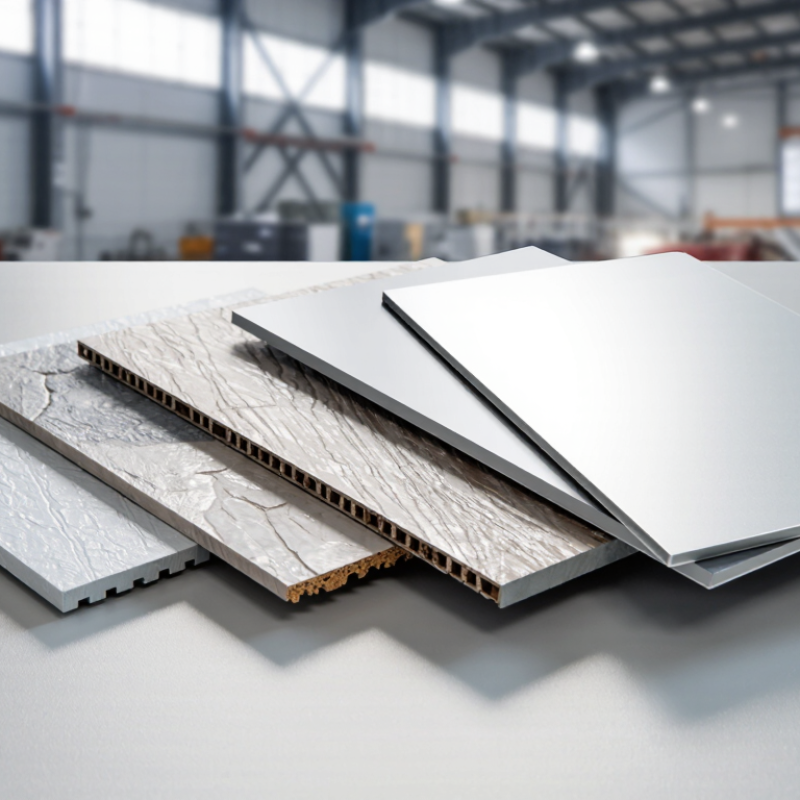
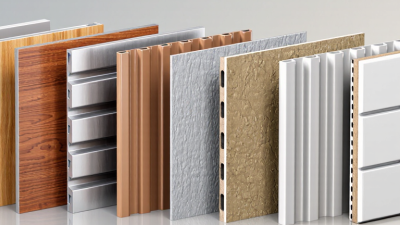
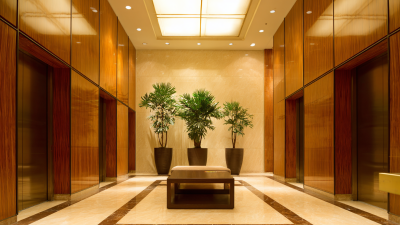
PVC cladding sheets are lightweight panels made from polyvinyl chloride. They protect walls, ceilings, and interior surfaces from moisture, stains, and daily wear. Many sheets have a smooth, wood-grain, or stone-like finish. Their low maintenance makes them practical for commercial and residential projects.
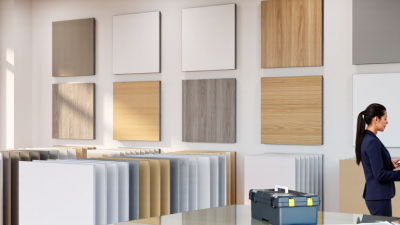
Global buyers often choose China because manufacturers offer broad specifications, flexible production, and competitive pricing. Buyers can request different thicknesses, surface textures, colors, and panel dimensions. However, low cost should never replace technical review. Confirm the PVC composition, weight tolerance, surface durability, and installation method before ordering. Ask for product samples. Inspect the edges and finish under real lighting. Small differences can affect the final appearance.
Tips: Share clear drawings and application details with suppliers. Request test reports, batch information, and packaging photographs. Check fire, moisture, and chemical-resistance requirements for the destination market. A pre-shipment inspection can reduce avoidable problems. Do not rely on photographs alone. They can hide uneven surfaces, color variation, or weak protective film. Some buyers focus too heavily on price and regret it later. A better decision balances cost, service life, compliance, and delivery reliability. Even careful sourcing is not perfect. Recheck every critical detail.
Typical product specifications, performance considerations, and sourcing factors for international PVC cladding projects
| Product Dimension | Typical Data or Range | What It Means for Global Buyers | Common Applications | Important Purchasing Check |
|---|---|---|---|---|
| Material Composition | Rigid or foam-core polyvinyl chloride (PVC), usually manufactured by extrusion or co-extrusion | PVC provides moisture resistance, corrosion resistance, and relatively easy cleaning compared with many absorbent wall materials. | Interior wall protection, wet areas, commercial interiors, utility rooms, workshops, and selected exterior systems | Request the material structure, PVC resin content, additives, recycled-content percentage, and product technical data sheet. |
| Common Sheet Thickness | Approximately 3–10 mm for many wall-cladding sheet formats; thicker panels are available for impact-sensitive applications | Thicker sheets generally provide greater rigidity and impact resistance but add weight and may require stronger fixing support. | 3–5 mm: interior lining and decorative use; 6–10 mm: higher-impact wall protection and more rigid installations | Confirm thickness tolerance and whether the stated thickness includes a surface layer, texture, or protective film. |
| Typical Sheet Width | Commonly about 900–1,220 mm; wider formats may be available for specific production lines | Wider sheets can reduce the number of vertical joints and shorten installation time on large wall areas. | Retail, healthcare, hospitality, education, industrial, and residential wall applications | Check the usable width after edge trimming, joint overlap, and installation allowances. |
| Typical Sheet Length | Often supplied in approximately 2,440–3,000 mm lengths; custom lengths may be negotiated | Longer panels can reduce horizontal joints, while standard lengths may simplify container loading and replacement planning. | Full-height interior walls, partition systems, wall guards, and prefabricated interiors | Compare the requested length with container loading limits, handling equipment, and local installation conditions. |
| Surface Finish | Smooth, embossed, matt, glossy, wood-effect, stone-effect, or printed decorative surfaces | Surface texture affects appearance, cleanability, light reflection, and resistance to visible scratching. | Decorative wall panels, hygienic interiors, service areas, retail displays, and hospitality spaces | Request physical samples and confirm color consistency, gloss level, print durability, and batch-to-batch tolerance. |
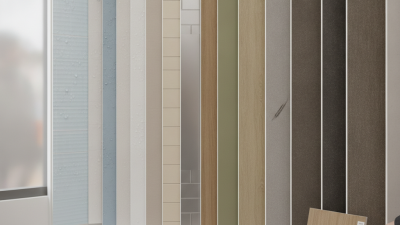
| Color Availability | Standard white, grey, beige, and neutral tones; custom colors and patterns may be available subject to minimum order quantities | Standard colors can shorten lead times, while custom colors support project branding and interior design requirements. | Commercial fit-outs, coordinated interior schemes, public buildings, and customized renovation projects | Use an approved physical sample or color reference; digital screen colors are not reliable for final approval. |
| Water and Moisture Resistance | PVC itself is non-absorbent and moisture-resistant; performance depends on joints, edges, penetrations, and installation details | The sheet can perform well in damp environments when the complete cladding system is properly sealed and installed. | Bathrooms, kitchens, laundry areas, food-service spaces, changing rooms, and utility rooms | Verify joint profiles, sealant compatibility, substrate preparation, drainage details, and cleaning requirements. |
| Temperature Consideration | Typical service limits vary by formulation and installation; many PVC products require protection from prolonged high heat and direct flame | PVC can soften or deform under excessive heat, so thermal exposure and installation clearances must be evaluated. | General interior and protected exterior applications where temperatures remain within the product specification | Obtain the manufacturer’s tested service-temperature range and assess heat sources, solar exposure, and expansion allowances. |
| Fire Performance | Fire behavior varies significantly by formulation, thickness, construction, and test method; no universal rating applies to all PVC sheets | Fire compliance must be established for the specific product and complete wall assembly rather than assumed from the material name. | Public buildings, transport facilities, healthcare, education, hospitality, and commercial interiors | Request current test reports to the standard required in the destination market, such as EN, ASTM, or local building regulations. |
| Dimensional Stability | Dependent on PVC formulation, reinforcement, sheet thickness, temperature, fixing method, and panel size | Correct spacing, expansion allowances, and substrate preparation help reduce bowing, buckling, and joint movement. | Large-format wall panels, corridors, partitions, and areas with temperature variation | Confirm coefficient of thermal expansion, flatness tolerance, installation spacing, and recommended fixing system. |
| Cleaning and Maintenance | Generally washable with mild detergents; harsh solvents, abrasive tools, and incompatible chemicals may damage the surface | Low-maintenance surfaces can reduce routine cleaning labor in busy commercial and institutional environments. | Healthcare support areas, hospitality, food-service zones, retail, offices, and residential interiors | Request a written cleaning guide and chemical-resistance information for the detergents used at the project site. |
| Installation Methods | Adhesive bonding, mechanical fixing, concealed clips, joint trims, or combinations of these methods | The correct method depends on substrate condition, panel weight, moisture, movement, access, and project regulations. | Renovation projects, new construction, modular interiors, and protective wall systems | Confirm adhesive compatibility, substrate flatness, fixing spacing, trim availability, and installation instructions. |
| Weight Planning | Varies with density, thickness, dimensions, and whether the panel is solid or foam-core | Lower-weight panels can simplify handling and reduce demands on supporting structures, but density should not be judged by thickness alone. | Large-area installations, prefabricated rooms, ceiling-adjacent panels, and projects with restricted manual handling | Request the actual weight per square meter and verify packaging, lifting, and storage requirements. |
| Quality Documentation | May include technical data sheets, dimensional inspection records, safety data, fire test reports, and packing lists | Complete documentation helps buyers compare suppliers and demonstrate compliance during project approval and customs processing. | Public tenders, regulated projects, distributor programs, and international construction contracts | Ensure documents identify the exact product, thickness, finish, test method, test date, and applicable production batch. |
| Why Global Buyers Consider China | Broad manufacturing capacity, multiple surface and size options, flexible customization, established export logistics, and competitive production costs | Buyers can often source standard panels and project-specific formats from one manufacturing market, subject to proper qualification. | Distributor supply, contract projects, private-label programs, renovation chains, and multi-country developments | Evaluate verified production capability, sample quality, inspection procedures, export experience, packaging, lead time, and after-sales support. |
| Recommended Buyer Evaluation | Compare at least samples, specifications, test evidence, quotation terms, packaging, lead time, and inspection results | A low unit price does not necessarily indicate the lowest total project cost; freight, waste, installation, and compliance can be significant. | All international procurement and long-term supply programs | Use a written specification and approve a production sample before placing a large order. |
Note: The figures shown are typical market reference ranges rather than universal product specifications. Actual performance depends on the formulation, construction, dimensions, production tolerance, installation system, and destination-market regulations. Buyers should obtain current technical documentation and independent test evidence for the exact product being purchased.