What Is the Best Bathroom Ceiling Cladding?
Choosing the best Bathroom Ceiling Cladding involves more than matching a panel to a tile. The ceiling must resist steam, condensation, staining, and repeated cleaning. It should also remain stable above showers, where warm air meets colder surfaces.
The U.S. Environmental Protection Agency identifies persistent moisture as a major condition supporting indoor mold growth. Its Mold Remediation in Schools and Commercial Buildings guide reinforces one practical point: moisture control begins with prevention. The 2024 Houzz U.S. Bathroom Trends Study also shows continued investment in upgraded bathrooms, especially improved shower spaces and durable finishes. These findings support a careful cladding decision, not a purely visual one.
Building-science expert Joseph Lstiburek is widely associated with the warning, “Water is the enemy.” That short sentence explains why installation quality matters as much as the material itself. PVC panels can offer easy cleaning and strong moisture resistance. Aluminum can provide rigidity and a crisp modern appearance. Laminated boards may feel warmer, but exposed edges and poorly sealed joints can become weak points.
Small details matter.
A ceiling with visible seams, trapped condensation, or an inaccessible ventilation connection may fail early. A reliable specification should examine fire performance, cleaning chemicals, panel weight, fixing methods, and compatibility with existing joists. Manufacturer test data should support every major claim.
There is no universal winner. A low-cost panel can become expensive after repairs. Even premium cladding needs inspection. This guide compares the leading options, their practical limitations, and the conditions where each Bathroom Ceiling Cladding system performs best.
Types of Bathroom Ceiling Cladding and Their Key Differences
What Is the Best Bathroom Ceiling Cladding?
Types of Bathroom Ceiling Cladding and Their Key Differences
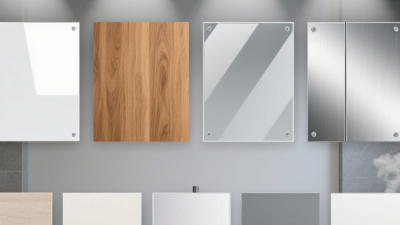
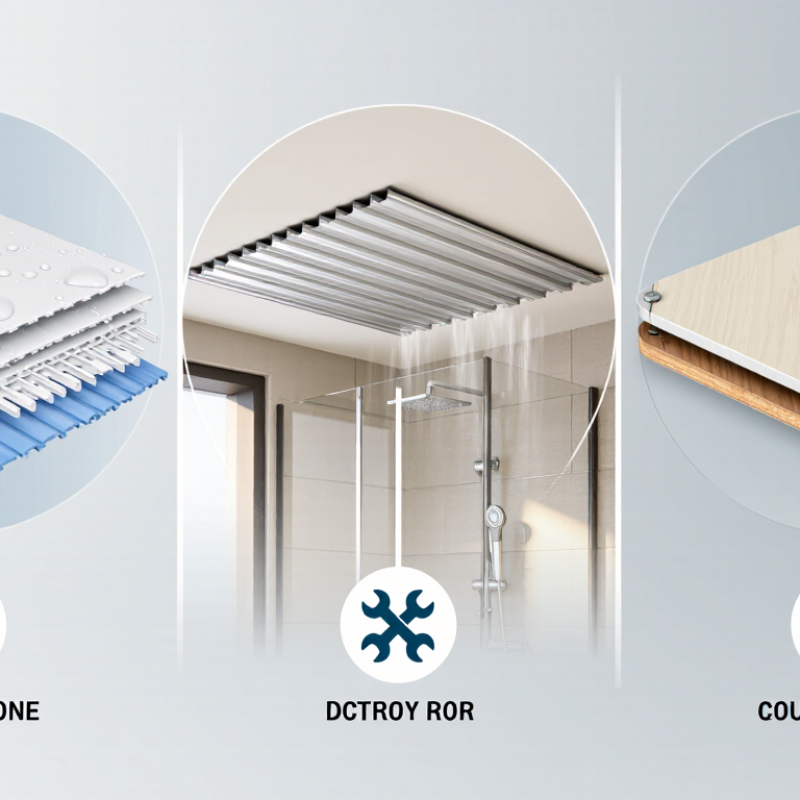
The best bathroom ceiling cladding depends on moisture, ventilation, cleaning needs, and installation conditions. PVC panels are lightweight, water-resistant, and easy to wipe clean. Their tongue-and-groove joints create a quick installation system. However, poorly sealed edges can trap condensation behind the panels. Small details matter.
Aluminium panels offer a sleek surface and strong dimensional stability. They suit bathrooms with frequent steam and regular cleaning. Their main weakness is sound. Rain-like tapping may occur when water pipes or ventilation systems vibrate. Moisture-resistant gypsum board gives a smooth, painted finish and supports recessed lighting. It is not waterproof, though. Damaged joints can absorb moisture and require repairs. Fibre-cement panels provide good rigidity and impact resistance, but they are heavier and need more cutting effort.
The U.S. Environmental Protection Agency reports that indoor pollutant levels can be two to five times higher than outdoor levels. Poor ventilation can make a clean-looking ceiling unhealthy. ASHRAE Standard 62.2-2022 recommends bathroom exhaust of 50 cubic feet per minute intermittently, or 20 cubic feet continuously. This makes ventilation part of the cladding decision. In practice, PVC often suits budget renovations, while aluminium suits demanding cleaning routines. Gypsum works well when a seamless appearance matters. Fibre cement is useful where toughness matters more than installation speed. I would not choose any panel before checking its joints, access points, and fire-rating documentation. That step is easy to overlook.
How Moisture Resistance and Ventilation Affect Material Choice
The best bathroom ceiling cladding depends less on appearance and more on moisture control. In my renovation experience, a ceiling can look perfect during installation yet fail within months. Warm showers create rising vapor. Without effective ventilation, that vapor condenses on cooler surfaces, especially above the shower area.
Moisture-resistant panels, such as PVC, aluminum, or properly sealed fiber-cement boards, usually perform better than standard plasterboard. PVC panels resist water and are easy to wipe clean. Aluminum handles humidity well and can suit a modern bathroom. Fiber-cement offers strength, but its joints and cut edges need careful sealing. Small gaps matter.
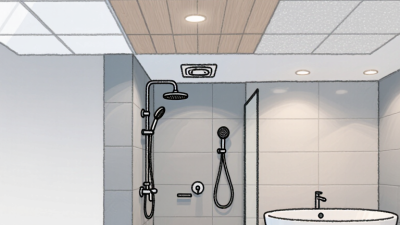
Ventilation changes the material decision. A powerful, correctly sized extractor should remove humid air during bathing and for several minutes afterward. It also needs a clear route outside, not into a roof void. I once focused too heavily on waterproof cladding and underestimated poor airflow. That assumption was too simple. Even durable panels may develop stains, hidden mold, or loose fixings when moisture remains trapped above them.
Check the ceiling structure before installation. It must support the chosen panels and tolerate regular temperature changes. Seal penetrations around lights, pipes, and extractor openings. Leave access where maintenance may be needed. A ceiling with fewer seams is often easier to keep hygienic, although neat workmanship matters more than panel count. A cheap material can become expensive when replacement involves damaged insulation or timber.
Comparing Installation Methods, Durability, and Maintenance Needs
What Is the Best Bathroom Ceiling Cladding?
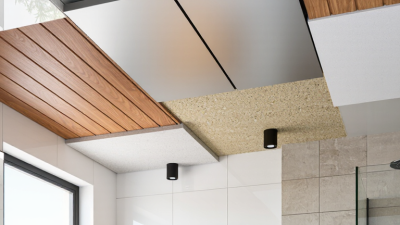
Installation affects performance as much as the cladding material itself. Adhesive-fixed panels install quickly on a flat, dry ceiling, but uneven surfaces can create visible gaps. A batten or furring system takes longer, yet it can hide wiring and improve air circulation behind the panels. Mechanical fasteners also allow easier replacement after a leak. In my renovation experience, rushed adhesive work often fails around light fittings and ceiling edges. Small details matter.
Durability depends on moisture control, not marketing claims. The U.S. Environmental Protection Agency recommends indoor relative humidity between 30% and 50%, while warning that levels above 60% encourage moisture problems.
ASHRAE Standard 62.2-2022 specifies bathroom exhaust of 50 cubic feet per minute intermittently, or 20 continuously.
Without effective extraction, even water-resistant cladding may discolor, warp, or develop hidden mould.
PVC-based panels usually need only a soft cloth and mild cleaner. Painted boards demand more frequent inspection, especially around joints.
The weak point is often the sealant. It should be checked annually, although many homeowners forget. A ceiling that looks clean may still conceal dampness above it.
Evaluating Safety, Appearance, Cost, and Environmental Impact
Choosing bathroom ceiling cladding requires more than matching the wall tiles. In humid rooms, I look for sealed joints, stable fixings, and surfaces that resist moisture. Safety comes first. A product data sheet should confirm fire performance, moisture resistance, and cleaning requirements. Cladding must also stay clear of lights, fans, and electrical fittings. A qualified installer can check ventilation and prevent hidden condensation.
Appearance affects how the room feels every day. Pale panels can reflect light in a small bathroom, while textured finishes may hide water marks. However, deep grooves can collect dust and soap residue. Smooth surfaces are easier to clean, but they may show scratches quickly. I prefer simple patterns with replaceable sections. That choice is less dramatic, yet more practical after several years.
Cost needs a wider view than the purchase price. Lightweight panels may reduce installation time, but fragile edges can create repair costs. More durable materials often cost more initially. They may last longer under repeated cleaning and steam. Environmental impact is also complicated. Recycled content is valuable, but transport, manufacturing energy, and disposal still matter. Look for low-emission materials, long service life, and clear recycling guidance. I would not trust vague green claims. My own judgment can be imperfect, especially when supplier information is incomplete. Comparing technical documents and asking how damaged panels are replaced gives a more reliable decision.
What Is the Best Bathroom Ceiling Cladding? - Evaluating Safety, Appearance, Cost, and Environmental Impact
| Cladding Type |
Moisture Resistance
(1–5) |
Fire Safety
(1–5) |
Typical Installed Cost
(USD/m²) |
Expected Service Life |
Maintenance
(1–5) |
Environmental Profile
(1–5) |
Appearance and Practical Notes |
| uPVC Panels |
5 |
2 |
$25–$60 |
15–25 years |
5 |
2 |
Lightweight, seamless-looking, and easy to wipe clean. Does not absorb water, but ordinary PVC products can soften or release more smoke in a fire than mineral-based boards. Recycling options may be limited. |
| Powder-Coated Aluminum Panels |
5 |
5 |
$60–$140 |
25–40 years |
4 |
4 |
Clean, modern, and available in matte or perforated finishes. Non-combustible metal provides strong fire performance. Embodied energy is relatively high, but recycled aluminum can substantially reduce environmental impact. |
| Moisture-Resistant Gypsum Board |
4 |
4 |
$35–$75 |
15–25 years |
3 |
4 |
Creates a smooth, paintable ceiling with a conventional architectural appearance. Performs well in normal bathroom humidity when properly installed and ventilated, but prolonged leaks can damage the core and joint treatment. |
| Fiber-Cement Board |
5 |
5 |
$45–$95 |
25–40 years |
3 |
3 |
Durable and resistant to moisture, impact, and heat. Can be painted for a simple appearance or used as a substrate for tile. Heavier and more difficult to cut, with higher installation effort than PVC or gypsum board. |
| Ceramic or Porcelain Tile on a Suitable Backer |
5 |
4 |
$75–$180 |
30–50 years |
3 |
3 |
Offers the widest range of colors, patterns, and textures and provides a highly washable surface. It is heavy, comparatively expensive, and grout lines require periodic cleaning and inspection. |
| Natural Wood or Wood-Composite Panels |
2–3 |
2–3 |
$60–$150 |
10–25 years |
2 |
3 |
Provides a warm, natural appearance but requires careful sealing, ventilation, and maintenance. Moisture movement, mold, and coating deterioration are greater risks than with mineral or metal systems. |
Rating and cost basis: Ratings use a 1–5 scale, where 5 represents the strongest performance. Maintenance and environmental ratings reflect easier upkeep and lower overall impact, respectively. Installed-cost ranges are indicative USD estimates per square metre for materials and typical labor; actual prices vary by region, ceiling complexity, ventilation, substrate condition, and finish level.
How to Select the Best Ceiling Cladding for Your Bathroom
What Is the Best Bathroom Ceiling Cladding?
How to Select the Best Ceiling Cladding for Your Bathroom
Bathroom ceiling cladding should handle moisture, temperature changes, and regular cleaning. The best choice depends on your room, ventilation, and installation conditions. In a poorly ventilated bathroom, water-resistant panels are essential. However, moisture resistance alone does not solve condensation problems.
PVC panels are lightweight, easy to wipe, and suitable for many domestic bathrooms. Aluminum panels offer strong moisture resistance and a clean, modern surface. Fiber-cement boards can provide durability, but they require careful sealing at joints and edges. Always check the product’s fire rating before installation. Local building regulations may also require specific materials above showers or near lighting.
Measure the ceiling carefully, including pipes, vents, and recessed lights. Small errors can create visible gaps. Choose sealed joints when steam reaches the ceiling directly. A smooth finish usually cleans more easily than a deeply textured one. White surfaces brighten darker rooms, while matte finishes can hide minor marks. Glossy panels look attractive, but they may reveal uneven framing.
Ventilation matters greatly. A reliable extractor fan reduces condensation and protects the cladding system. During one renovation review, installers found mildew behind attractive panels because the ceiling cavity stayed damp. The panel choice was not the only problem. I would also avoid relying on adhesive alone when the ceiling is uneven. Mechanical fixings can provide better stability, though they may require more preparation. Check installation instructions, seal penetrations carefully, and ask a qualified professional when electrical fittings are nearby.