PVC exterior cladding is a protective outer layer made from polyvinyl chloride panels, fitted over a building’s walls. Homeowners often choose it for its clean finish, low routine upkeep, and resistance to moisture. Pvc Cladding Exterior can suit extensions, garden rooms, and renovations, but performance depends on more than the panels alone. The product’s formulation, thickness, fixing method, and exposure to sun and wind all matter. A sample may look sturdy in a showroom. Real weather tells a fuller story.
That matters. Quality PVC cladding does not rust or need painting, and occasional washing can remove surface dirt. Yet it can fade, expand in heat, or crack after a hard impact, especially if poorly specified or installed. It is not indestructible. Durability also depends on sound wall preparation, correct ventilation, and room for thermal movement. These details are easy to overlook, and even a good product can disappoint when installation is rushed. The right choice is often less obvious. This guide explains what PVC exterior cladding is, how long it may last, and which signs help distinguish a dependable system from a cheap-looking shortcut. We will also consider maintenance, climate, and trade-offs, so you can judge whether it fits your building—not just its brochure.
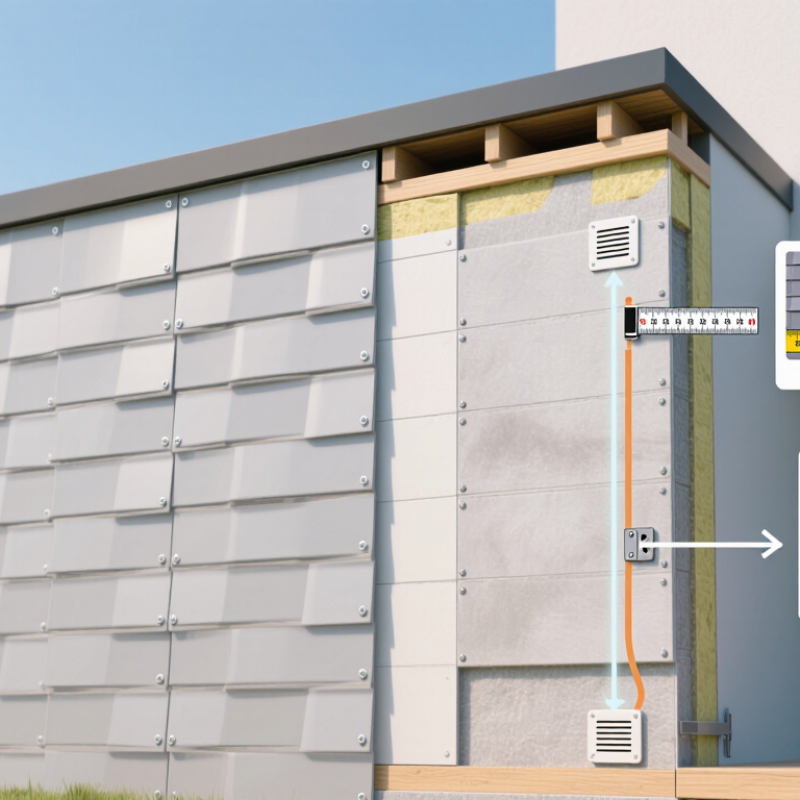
PVC exterior cladding is a protective outer layer made from rigid polyvinyl chloride, or PVC. Most systems use lightweight, extruded profiles that overlap or interlock along the wall. Their shaped edges help shed rain, while concealed fasteners hold the panels in place. It moves. Elongated fastening slots allow for expansion and contraction as temperatures change; tightly pinning panels can cause buckling.
Cladding is not a waterproof wall by itself. Flashings and the drainage plane behind it manage water that passes through joints, while a ventilated cavity can help the assembly dry. The National Association of Home Builders’ 2007 Study of Life Expectancy of Home Components estimates about 60 years for vinyl siding. That is a broad planning estimate, not a guarantee for every PVC product or climate. Sun exposure, impact, installation quality, and maintenance all affect service life.
Tips: Check that panels can move slightly at fasteners, and keep drainage paths clear. Inspect corners and window trim after storms. A small detail is easy to miss: cladding may look sound while flashing behind it is failing.
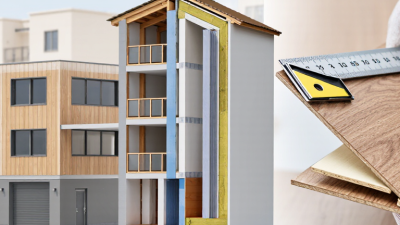
PVC exterior cladding is generally made by heating PVC resin with stabilisers, pigments, and impact modifiers, then forcing the mix through a shaped die. This extrusion process forms boards or hollow profiles. Some products add a weather-resistant outer layer through co-extrusion. PlasticsEurope’s Plastics – the Facts 2022 report puts PVC at 9.6% of European plastics demand, showing its established role in construction. That figure describes the wider market, not cladding quality. Durability still depends on formulation, UV exposure, installation, and upkeep.
Installation starts with a dry, stable wall and correctly fitted flashing around windows, doors, and corners. Installers attach cladding to battens or an approved backing system, keeping any required drainage or ventilation cavity clear. Panels are cut to size and fixed through their designated slots. Fasteners should hold panels securely without pinning them tight; PVC expands and contracts as temperatures change. ASTM D3679 provides performance requirements and test methods for rigid PVC siding, a useful reference when checking product specifications. Details vary by cladding system. Small gaps matter.
Tips: Check the installation guide before cutting. Leave the specified movement clearance at edges, and keep joints away from trapped water. A snug fit can look neat on a mild day, but heat may make the panels buckle. That is easy to underestimate. After installation, inspect corners and penetrations for loose trim or blocked drainage paths.
PVC exterior cladding is valued for its resistance to moisture, rot, and corrosion. A rain-soaked wall will not rust like metal or absorb water like untreated wood. Many products also need no routine painting, though occasional cleaning and inspection still matter. That is not maintenance-free.
The National Association of Home Builders’ 2007 Study of Life Expectancy of Home Components estimated vinyl siding’s service life at about 60 years. This is a broad industry estimate, not a guarantee for every PVC cladding product or installation. Material formulation, UV exposure, fastening, and local weather all affect performance. ASTM D3679 sets requirements for rigid PVC siding, including impact resistance and weathering performance. Check that a product’s test data matches its intended use. I would be cautious about treating one lifespan figure as a promise.
PVC cladding can expand and contract as temperatures change, so installers need to allow for movement at joints and openings. In cold weather, some formulations may be more vulnerable to impact; a dropped tool can leave a mark. Color stability also varies with pigments and UV protection. A pale panel on a shaded wall may age differently from a dark panel facing strong afternoon sun. Use the manufacturer’s installation guidance, and inspect seams after severe weather. Small details matter.
A qualitative overview of common performance characteristics on a 1–5 scale, where 5 indicates a more favorable property.
PVC cladding is generally resistant to moisture, rot, and corrosion, and typically requires little upkeep. Impact resistance and long-term color retention can vary with the product formulation, exposure, temperature, and installation. Ratings are indicative, not standardized test results.
PVC exterior cladding is made from polyvinyl chloride panels that protect and finish a building’s outer walls. Its durability depends on more than the material name. Small details matter.
The panel formulation, thickness, and UV protection influence how well cladding withstands sunlight. In exposed areas, weaker panels may fade, become brittle, or crack sooner. Dark surfaces can absorb more heat, increasing movement as temperatures change. This is why expansion gaps and correctly spaced fixings matter: PVC expands and contracts, and tightly secured panels may buckle.
Not always.
Installation also affects drainage and long-term performance. Poorly sealed joints or blocked gaps can let water collect behind panels, where damp may damage the wall beneath. Wind exposure, hail, freezing weather, and accidental impacts can add stress. A shaded wall in a mild climate may age differently from a sun-facing wall beside a busy driveway.
Gentle cleaning with water and a soft brush helps remove grime before it becomes stubborn. Avoid harsh abrasives, which can scratch the surface. I would not treat a stated lifespan as a promise; local weather, workmanship, and care all change the outcome.
Inspect corners, joints, and fixings occasionally, especially after severe weather. A loose panel deserves attention before wind catches its edge.
PVC exterior cladding asks little upkeep, but “low maintenance” does not mean no care. The Vinyl Siding Institute recommends annual washing with mild soap, water, and a soft brush. That is usually enough for pollen, road dust, and green film near shaded downpipes. Avoid abrasive pads and harsh solvents; they can dull or damage the surface. Check joints, trim, and fasteners after storms, especially where panels meet corners. Small gaps can admit water behind the cladding. Not obvious at first.
Durability is real, but conditional. The National Association of Home Builders’ 2007 Study of Life Expectancy of Home Components estimated vinyl siding’s service life at about 60 years. That figure is a survey-based estimate, not a warranty or a promise for every wall. Long sun exposure can fade panels, while impact from a ladder or flying debris can crack them in cold weather. Heat reflected from nearby glass or a grill can also distort PVC. I would inspect those hot spots each season, even if the wall looks fine. Replacing one damaged panel may be awkward when the original color has weathered; this limitation is easy to underestimate.