Leave Your Message

2026 Top PVC Wall Panels 4x8 Types for Wholesale Buyers

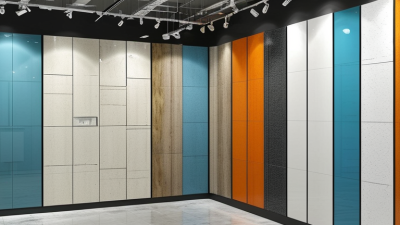
In 2026, wholesale buyers are looking beyond low prices when selecting Pvc Wall Panels 4x8. They need consistent dimensions, stable surfaces, and dependable supply. A single warped sheet can disrupt installation and increase labor costs. That detail is easy to underestimate.

Elena Marlow, an independent PVC building-materials consultant, states, “The best panel is not merely attractive; it must perform reliably across real installation conditions.” This principle guides our review of popular Pvc Wall Panels 4x8 types for commercial and residential projects. We examine smooth panels, textured finishes, marble patterns, wood-grain surfaces, and high-gloss options. Each type serves a different visual and practical purpose.

Performance matters more than showroom appearance. Buyers should compare thickness, weight, edge quality, surface hardness, moisture resistance, and cleaning requirements. They should also request samples before confirming pallet quantities. Colors can vary between production batches. That happens.

A strong wholesale decision also considers packaging, loading methods, lead times, and replacement support. Some suppliers offer attractive pricing but provide weak technical documentation. Others deliver better consistency at a higher initial cost. Neither option fits every project.

This guide compares the leading 2026 Pvc Wall Panels 4x8 categories through a practical wholesale lens. It highlights useful strengths, common weaknesses, and details that product brochures may overlook. The goal is not to promote one finish blindly. It is to help buyers choose panels that match their budget, installation environment, and long-term expectations. Mistakes remain possible, especially when samples and supplier records are ignored.
2026 Top PVC Wall Panels 4x8 Types for Wholesale Buyers

PVC Wall Panels 4x8: Definition, Structure, and Key Features

PVC wall panels 4x8 are large decorative sheets, usually measuring 4 by 8 feet, or approximately 1.22 by 2.44 meters. One panel covers about 32 square feet before cutting waste. Most products use extruded polyvinyl chloride resin, pigments, stabilizers, and impact modifiers. Their structure may be solid, hollow, or cellular foam. Tongue-and-groove edges can reduce visible joints.

The surface usually carries a printed, embossed, or laminated finish. The backing may be flat or lightly ribbed for adhesive bonding. This construction keeps panels lightweight and easier to handle than ceramic tile. It also supports moisture resistance, simple cleaning, and fast installation. Grand View Research forecasts roughly 5.8% annual growth for the PVC wall panels market from 2024 to 2030. Mordor Intelligence reports a similar growth direction, near 6% through 2030. These figures suggest steady wholesale demand, not unlimited demand.

For buyers, thickness, core density, dimensional tolerance, and fire-test documentation matter more than surface appearance alone. A glossy panel can still scratch during container loading. That weak point is often missed. Check color consistency across production lots, edge straightness, packaging compression, and adhesive compatibility. Request test evidence for flame behavior, indoor emissions, and moisture performance. ASTM and ISO references can improve document reliability, but standards must match the intended market. Published market estimates vary by scope, so procurement decisions should use factory samples, inspection records, and verified technical sheets alongside report data.

Main Types of 4x8 PVC Wall Panels for Wholesale Buyers

Main Types of 4x8 PVC Wall Panels for Wholesale Buyers

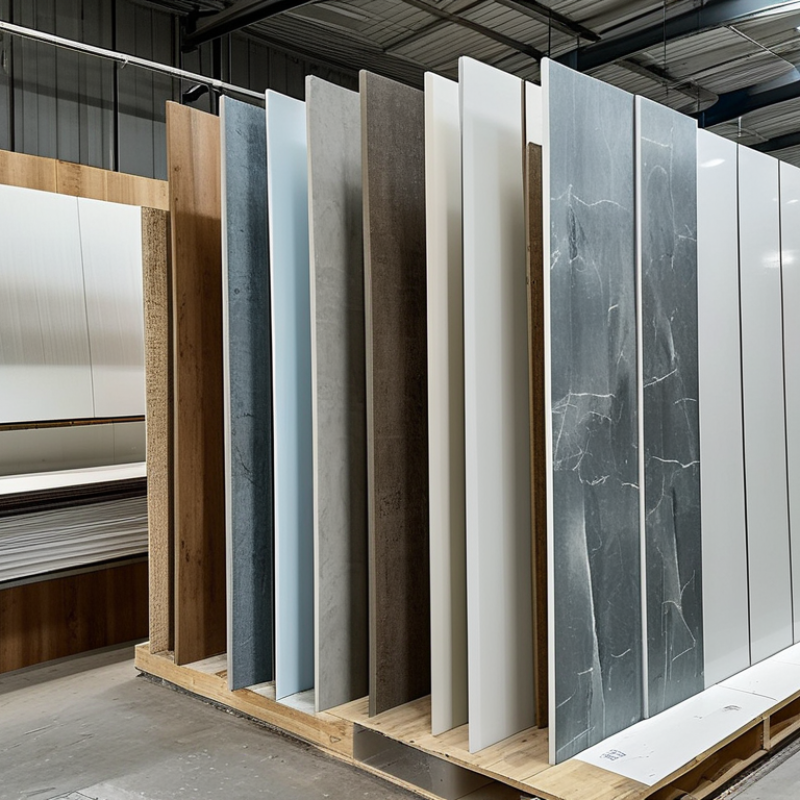
4x8 PVC wall panels usually measure about 1220 x 2440 mm. Smooth panels suit clean commercial interiors and are easy to wipe. Embossed panels add texture, such as lines, tiles, or subtle geometric patterns. Marble-look and stone-look finishes create a decorative surface without heavy masonry work. Woodgrain designs bring warmth to offices, shops, and hospitality spaces. High-gloss panels reflect more light, while matte finishes hide fingerprints better.

Wholesale buyers should compare panel thickness, surface coating, core density, and edge quality. A rigid panel generally handles transport and installation better, but it may cost more. Check whether the panel resists moisture, staining, and common cleaning chemicals. Do not rely only on attractive samples. Request batch samples and technical documents, including relevant fire and performance test results for the target market. I have seen color differences appear between production batches. That small issue can delay a large installation.

Tips: Confirm the usable coverage after cutting. Inspect corners, print alignment, and protective film before shipment. Store panels flat and dry. A simple pre-shipment inspection can prevent expensive replacement claims. Some textured designs look excellent in photos but feel too rough in real spaces. Touch the surface first. Consider spare panels, because cutting waste is easy to underestimate.

2026 Top PVC Wall Panels 4x8 Types for Wholesale Buyers

Typical nominal thicknesses commonly specified for 4 × 8 ft PVC wall panels. A 4 × 8 ft sheet is approximately 1220 × 2440 mm.

Smooth and marble-finish panels are commonly selected for fast installation and easy cleaning. Embossed and 3D panels add surface texture, while hygienic panels are typically specified for moisture-sensitive commercial interiors. Actual thickness, surface finish, fire rating, and available colors should be confirmed with each supplier.

Material Specifications, Surface Finishes, and Performance Ratings

2026 Top PVC Wall Panels 4x8 Types for Wholesale Buyers

For wholesale buyers, 4x8 PVC wall panels usually measure about 1220 by 2440 millimeters. Common cores include solid PVC and lightweight cellular PVC. Thickness often ranges from 5 to 10 millimeters. Thicker panels generally resist impact better, but they also increase shipping weight and installation demands. Ask for the panel density, net weight, dimensional tolerance, and recommended fixing method. These details reveal more than a decorative sample.

Surface finish affects cleaning, appearance, and long-term maintenance. Matte panels hide fingerprints and minor scratches. Gloss finishes reflect more light but may show surface defects. Embossed textures can imitate wood grain, stone, or fabric. Printed films require verified adhesion and UV-resistance data. Inspect the edges closely. Poor lamination often appears there first. Some patterns look convincing indoors, yet feel artificial under strong warehouse lighting.

Performance ratings must match the installation environment. Request documented results for water absorption, impact resistance, chemical resistance, and fire behavior. Do not treat “waterproof” as a complete rating. Joints, cut edges, and wall conditions still influence moisture performance. Fire classifications differ by test method and market, so check the exact standard and report date. Low-VOC claims also need supporting test documents. In practical inspections, panel flatness and color consistency can vary between production lots. That is an uncomfortable issue, but buyers should order control samples before committing to volume. Always compare the certificate with the actual batch.

2026 Top PVC Wall Panels 4x8 Types for Wholesale Buyers - Material Specifications, Surface Finishes, and Performance Ratings
Panel Type Typical Material Structure Standard 4x8 Size Common Thicknesses Surface Finishes Typical Performance Characteristics Common Performance or Test References Recommended Wholesale Applications
Solid PVC Sheet Panel Rigid, non-foamed polyvinyl chloride sheet; available in white and custom colors. 48 × 96 in
(1,219 × 2,438 mm)
1/8–1/2 in
(3–12 mm)
Smooth gloss, satin, matte, or lightly embossed. Non-porous, moisture-resistant, easy to clean, and resistant to many dilute acids, alkalis, salts, and cleaning solutions. Higher thicknesses provide better rigidity and impact resistance. Product-specific chemical-resistance data; ASTM D638 for tensile properties and ASTM D790 for flexural properties may be used by manufacturers. Utility rooms, wash-down areas, commercial interiors, partitions, fabrication, and protective wall lining.
Cellular PVC Wall Panel Foamed PVC core with a relatively rigid PVC skin or integral finished surface. 48 × 96 in
(1,219 × 2,438 mm)
1/4–1/2 in
(6–12 mm)
Matte, pebble, leather-grain, wood-grain, or lightly textured. Lightweight compared with solid PVC, moisture-resistant, easy to cut, and suitable for direct-to-wall installation when properly supported. The foam core is less dense than solid PVC. ASTM D1621 may be used for compressive properties of cellular plastics; fire performance must be confirmed for the specific panel construction. Retail fit-outs, ceiling and wall cladding, temporary interiors, display areas, and light-duty commercial renovation.
PVC Hygienic Wall Panel Rigid PVC sheet or foamed PVC panel designed with a sealed, cleanable face. 48 × 96 in
(1,219 × 2,438 mm)
0.080–0.250 in
(2–6 mm)
High-gloss smooth, satin, white matte, or fine embossed texture. Non-absorbent surface with sealed joints when installed with compatible trims and sealants. Supports routine cleaning and reduces areas where dirt and moisture can collect. Cleanability and chemical resistance are product-specific; antimicrobial claims require independent test evidence and should not be assumed from PVC content alone. Food-service back-of-house areas, healthcare support spaces, laboratories, laundries, restrooms, and commercial kitchens.
FR PVC Wall Panel PVC sheet or panel compounded with flame-retardant additives and manufactured for a declared fire classification. 48 × 96 in
(1,219 × 2,438 mm)
1/8–1/2 in
(3–12 mm)
Smooth, matte, embossed, or decorative printed finish with a protective coating. Can achieve improved flame-spread and smoke-development performance compared with non-rated PVC when tested as a complete product system. Fire ratings are not inherent to all PVC panels. ASTM E84 or equivalent regional fire testing may report flame-spread and smoke-developed indices; request the current test report and classification for each thickness. Commercial corridors, public interiors, transportation-related spaces, institutional projects, and code-sensitive renovations.
PVC Laminate Wall Panel PVC substrate with a printed decorative film, clear protective layer, or digitally laminated surface. 48 × 96 in
(1,219 × 2,438 mm)
1/8–3/8 in
(3–9 mm)
Stone, marble, tile, concrete, wood, metallic, solid color, high-gloss, or textured decorative patterns. Provides consistent decorative appearance and moisture resistance. Surface durability depends on the film, wear layer, adhesive system, and edge detailing. Surface wear, stain, and light-fastness results are finish-specific; request abrasion and chemical-resistance data for high-traffic use. Hotels, retail stores, restaurants, offices, residential common areas, feature walls, and hospitality remodeling.
Embossed PVC Wall Panel Rigid or cellular PVC panel with a mechanically embossed face for increased visual texture. 48 × 96 in
(1,219 × 2,438 mm)
1/8–3/8 in
(3–9 mm)
Linear grooves, beadboard, brushed texture, slate, orange peel, linen, or leather-grain embossing. Texture can help conceal minor substrate irregularities. Cleaning performance depends on emboss depth; deeper textures may require more frequent maintenance. Dimensional stability, impact, and cleanability should be verified from the product technical data sheet. Accent walls, retail displays, restaurants, residential wet areas, office interiors, and decorative renovation projects.
PVC Shower and Wet-Area Panel Water-resistant PVC sheet or multi-layer PVC panel with sealed decorative face and compatible joint profiles. 48 × 96 in
(1,219 × 2,438 mm)
1/8–3/8 in
(3–9 mm)
Gloss tile effect, marble effect, satin solid color, stone texture, or fine embossed finish. Water-resistant and easy to wipe when all penetrations, corners, seams, and panel edges are correctly sealed. It is a finish panel and does not automatically replace a code-required waterproofing membrane. Water absorption and surface resistance are product-specific; installation should follow the panel manufacturer's wet-area detailing requirements. Shower surrounds, bathroom walls, laundry rooms, restroom partitions, locker rooms, and spa interiors.
PVC Acoustic Decorative Panel Decorative PVC-faced panel combined with a perforated, grooved, or slatted construction; acoustic backing may be required. 48 × 96 in
(1,219 × 2,438 mm)
1/4–3/4 in
(6–19 mm)
Wood-grain, felt-backed slats, perforated matte, fabric-look, or linear groove patterns. May reduce reflected sound when the panel is perforated or installed over an absorptive backing. A solid, non-perforated PVC sheet generally provides limited sound absorption. Acoustic performance should be reported using ASTM C423 or ISO acoustical testing, including the mounting assembly and frequency range. Offices, reception areas, restaurants, retail interiors, educational spaces, and hospitality feature walls.
Note: Specifications shown are typical commercial ranges for 4 × 8 ft PVC wall-panel products. Actual thickness, weight, fire classification, chemical resistance, color stability, warranty, and installation requirements vary by construction and supplier. Wholesale buyers should request current technical data sheets, safety documentation, and test reports for the exact SKU and thickness.

How to Compare 4x8 PVC Wall Panels for Wholesale Purchase

2026 Top PVC Wall Panels 4x8 Types for Wholesale Buyers

How to Compare 4x8 PVC Wall Panels for Wholesale Purchase

Comparing 4x8 PVC wall panels starts with the application, not the lowest quotation. A shower room needs strong moisture resistance, while a retail wall may prioritize texture and color consistency. Check the panel thickness, measured weight, surface finish, and core structure. Thicker panels often feel more stable, but weight can raise freight costs and installation labor.

Ask suppliers for written tolerances on length, width, and flatness. A nominal 4x8 panel may arrive slightly different. Small variations become obvious across a long commercial wall. Inspect at least three samples under bright light. Look for pinholes, uneven gloss, weak corners, and printed patterns that do not align. It is a simple test.

Material documentation matters. Request fire-performance reports, chemical-resistance data, moisture testing, and installation instructions suited to your market. Certificates should match the actual panel specification, not a similar product. Also verify whether recycled content changes color stability or impact strength. Local building requirements still control the purchase.

Wholesale pricing should include packaging, pallet dimensions, replacement policy, and minimum order quantity. Corner protection is practical; damaged edges create hidden costs. I have learned that a cheap panel is not cheap after sorting and rework. My own comparison would still leave room for doubt, because laboratory results cannot predict every warehouse condition. Ask for a trial shipment before committing to a full container.

Wholesale Sourcing, Packaging, Pricing, and Quality Checks

2026 Top PVC Wall Panels 4x8 Types for Wholesale Buyers

Wholesale buyers should compare 4x8 PVC wall panels by use, finish, and core structure. Embossed panels suit high-traffic interiors, while marble-look sheets support decorative projects. Smooth solid-color panels are easier to clean and often reduce installation waste. Moisture-resistant options work well in bathrooms, kitchens, and commercial utility areas. I have found that sample boards reveal texture differences that product photos often hide.

Packaging deserves equal attention. Each sheet should have protective film, corner guards, and stable carton support. Ask suppliers to confirm pallet dimensions, sheet counts, and loading methods. A crushed corner can turn a good price into a real loss. Pricing should include panels, packaging, inland delivery, import costs, and expected waste. Compare the landed cost, not only the factory quotation. Smaller trial orders may cost more per sheet, but they reduce financial risk.

Tips: Request three physical samples. Check color consistency under daylight. Measure thickness at several points. Inspect tongue-and-groove edges, surface bubbles, scratches, and flatness. Tap the panel lightly for uneven internal density. Record batch numbers and keep photos before shipment. Do not rely on one inspection. My own mistake was accepting a polished sample without checking the full production batch. That shortcut was expensive. A written quality checklist makes supplier discussions clearer and more reliable.