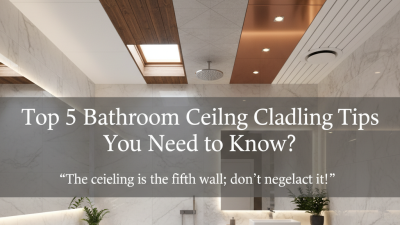
Why Choose Bathroom Ceiling Cladding for Your Home Renovation?
Bathroom Ceiling Cladding is becoming increasingly popular in home renovations. This trend is not without reason. Homeowners seek materials that are both stylish and functional. Choosing the right materials can make a significant difference in the overall aesthetics and durability of a bathroom.
Bathroom ceiling cladding offers a range of benefits. It provides moisture resistance, vital for the humid environment of a bathroom. Moreover, it comes in various styles and colors. This versatility allows homeowners to express their personal taste. However, the process of selecting the best cladding can be overwhelming. One might wonder about the installation and maintenance involved. These elements are crucial in decision-making.
Considering Bathroom Ceiling Cladding is a smart choice for enhancing your home. It meets the needs of modern living while adding value. Trusted professionals can guide you through options, ensuring a successful renovation. Prioritizing quality and design will result in a satisfying space, reflecting both beauty and practicality.
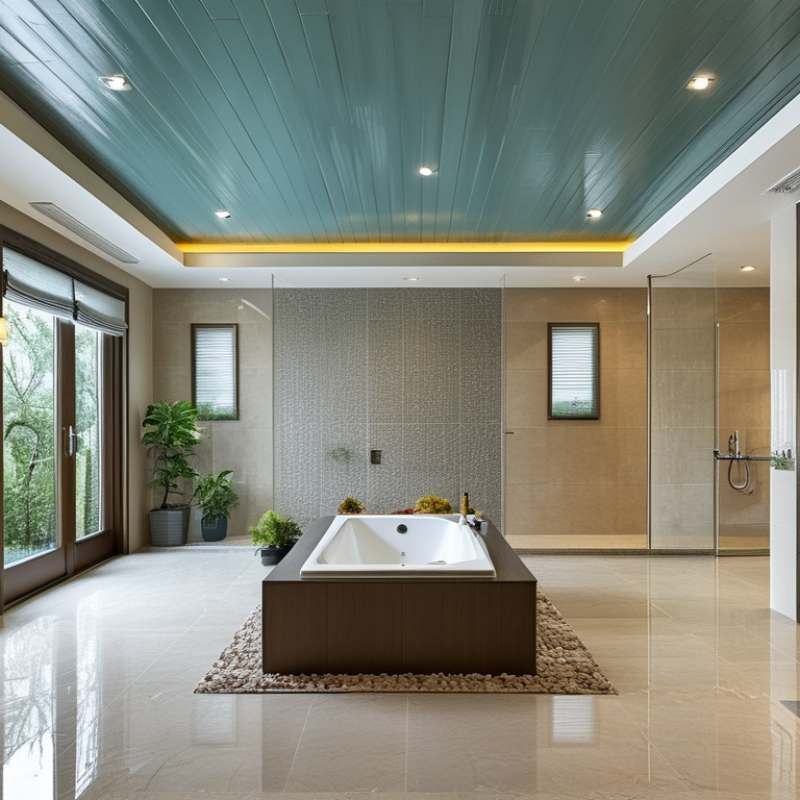
Benefits of Bathroom Ceiling Cladding in Home Renovations
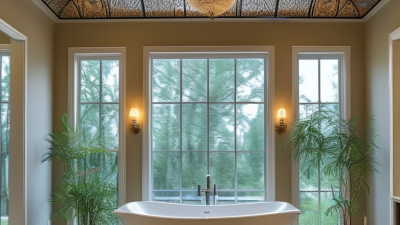
Bathroom ceiling cladding offers numerous advantages for home renovations. It enhances aesthetics and creates a clean, modern look. Ceilings often go unnoticed, but they can significantly impact the overall feel of your space. Whether you prefer a sleek finish or textured panels, cladding gives options that suit your style.
One major benefit is moisture resistance. Bathrooms are prone to humidity, leading to mold and decay. Cladding materials, such as PVC or vinyl, hold up against these elements. They are easy to clean and can withstand the test of time. However, it’s essential to choose high-quality materials. Poor selection may lead to early deterioration.
Additionally, cladding provides insulation. It can help control temperature and reduce energy costs. Proper insulation is often overlooked in bathroom renovations. Fitting cladding may seem simple, but installation requires careful attention. It's not a one-size-fits-all solution. Proper measurement and planning are key to achieving the desired look and functionality.
Durability and Moisture Resistance of Various Cladding Materials
When renovating a bathroom, choosing the right ceiling cladding is essential. Some materials offer remarkable durability and moisture resistance. These characteristics are crucial in a space where humidity levels can fluctuate dramatically.
Vinyl cladding stands out as a moisture-resistant option. It does not warp or degrade easily and is simple to maintain. However, it may not provide the same aesthetic appeal as more traditional materials. On the other hand, wood cladding adds warmth but requires regular maintenance to prevent mold. Many homeowners find themselves choosing convenience over beauty or vice versa.
Another popular choice is PVC. This material is impervious to water and is available in various styles. Still, its environmental impact raises questions for some. It’s important to weigh durability against the effect on the planet. Personal preferences and the specific conditions of your bathroom will influence your decision. Balancing practicality with aesthetics can be challenging but worthwhile.
Aesthetic Versatility: Choosing the Right Design for Your Bathroom
When it comes to bathroom renovations, ceiling cladding offers impressive aesthetic versatility. With a range of designs available, you can easily create the bathroom of your dreams. According to recent industry reports, about 70% of homeowners prioritize aesthetic appeal when renovating spaces. Ceiling cladding allows you to choose from materials like PVC, wood, or metal, each providing a unique charm.
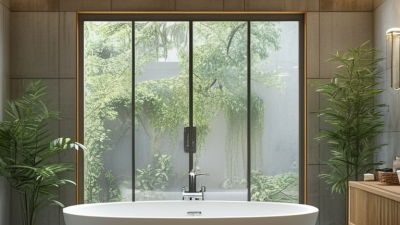
Selecting the right design can significantly enhance your bathroom's ambiance. For instance, light-colored cladding can make a small bathroom feel larger. Conversely, darker tones create a cozy, intimate atmosphere. Trends indicate that natural textures, such as wood grain patterns, are in high demand, catering to the desire for a serene, spa-like experience at home.
However, it's important to carefully consider your design choices. Choosing a trendy style may not always stand the test of time. Regular updates to design trends can leave some homeowners feeling trapped in their choices. Balancing personal taste with timeless elements is essential for long-term satisfaction. A well-thought-out ceiling design can serve as a focal point, reflecting both style and functionality, enhancing the overall experience of your renovated bathroom.
Cost-Effectiveness: Comparing Cladding to Traditional Ceiling Options
When renovating your bathroom, ceiling choices matter significantly. Traditional options like drywall require frequent maintenance. In contrast, bathroom ceiling cladding offers a smart alternative. Cladding is often more affordable, especially when considering long-term costs. It resists moisture well, reducing the chances of mold and damage.
Tips: Always consider installation costs when planning your renovation. While cladding is easy to install, hiring a professional can save time. Look for local contractors who specialize in bathroom renovations. Their expertise can ensure a flawless finish that meets your expectations.
Additionally, think about the aesthetic appeal. Cladding comes in various styles, from modern to classic. It can enhance your bathroom's overall look without a hefty price tag. However, not every material suits every home. Take time to research what works best for your space. Reflecting on your choices will help you achieve a balance between style and functionality.
Maintenance and Cleaning: How Cladding Simplifies Upkeep in Bathrooms
Bathroom maintenance can be a daunting task. Mold and mildew thrive in humid environments. Traditional paint or wallpaper may not hold up well over time. This is where bathroom ceiling cladding shines. It is easy to clean and resistant to moisture buildup.
Cladding can be wiped down with simple soap and water. There’s no need for harsh chemicals. This makes it ideal for busy households. The panels are designed to withstand everyday wear and tear. They are tough yet light, providing durability without added weight.
While cladding simplifies upkeep, some may find it challenging to install. Correct measurements are vital, and misfits can lead to wasted materials or an unsightly finish. In such cases, professional help may be necessary. Ensuring a proper fit is key to maximizing cladding benefits in your bathroom.