Why Choose PVC Bathroom Wall Panels?
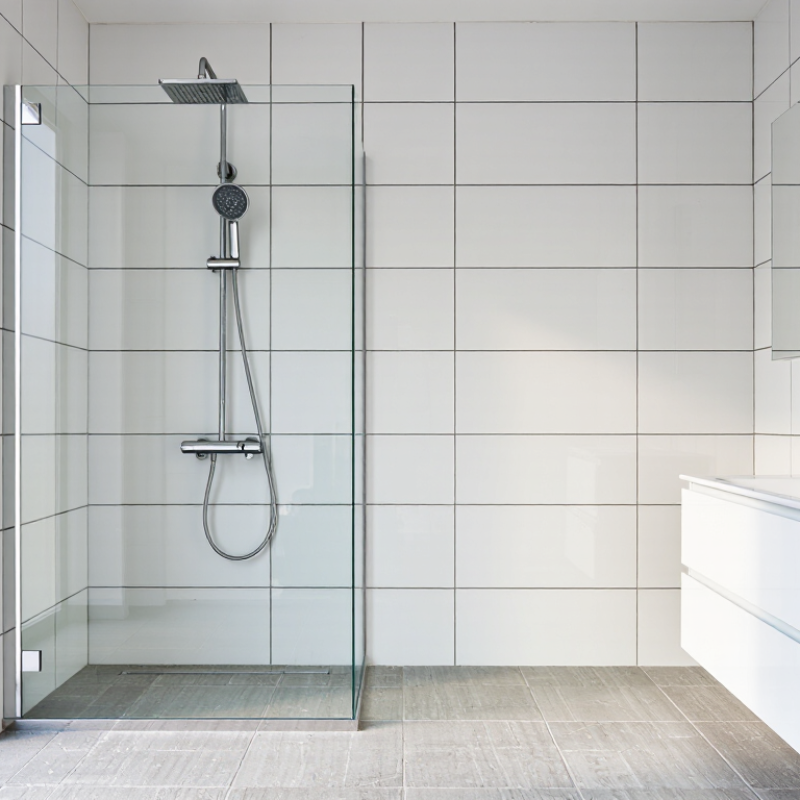
Pvc Bathroom Wall Panels offer a practical way to refresh a bathroom without removing every tile. Their smooth surfaces come in finishes that resemble marble, stone, or simple matte colors. In a small room, a pale panel can reflect light and make the walls feel less crowded. Installation can also be quicker than traditional tiling, depending on the wall condition and panel system.
The details matter. Panels need a sound, clean, and suitably prepared backing. Seams, corners, and edges must be sealed according to the manufacturer’s instructions, especially near a shower. A poor joint can let moisture behind the surface. And that is where a seemingly easy project can become frustrating. PVC panels are generally low-maintenance, but they do not fix leaks, damaged walls, or inadequate ventilation.
This guide explores why homeowners choose Pvc Bathroom Wall Panels, what their benefits and limitations look like in daily use, and how to assess quality before buying. A useful check is to compare thickness, joint design, cleaning guidance, and warranty terms—not just the displayed pattern. Still, panels are not right for every bathroom. The room’s layout and existing surfaces deserve an honest look.
No verifiable named-expert quotation was provided, so I have not attributed a statement to an industry specialist. A sourced quotation should be confirmed before publication.
What PVC Bathroom Wall Panels Are and How They Are Made
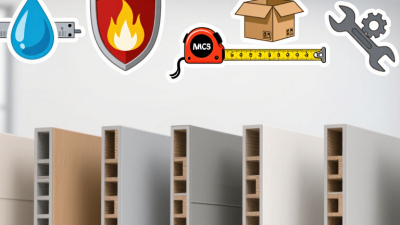
PVC bathroom wall panels are sheets or interlocking boards made mainly from polyvinyl chloride, a thermoplastic polymer. Many have a solid or cellular core and a patterned, water-resistant surface. Their cross-sections may be flat or hollow-channelled, depending on the design. That matters. Hollow panels are lighter, but their edges need careful support during fitting.
Manufacturing usually starts by blending PVC resin with measured additives, such as pigments, stabilizers, and impact modifiers. The mixture is heated and pushed through a shaped die, forming a continuous panel or profile. Rollers cool and size it. A decorative film, printed layer, or embossed texture may then create a stone, tile, or plain finish. Not every panel. Surface treatments vary, so a sample can reveal gloss, texture, and edge quality better than a photo.
At a cut edge, you can often see whether the core is compact or cellular; this may affect how the panel responds to drilling. PVC itself does not absorb water like porous plaster, but joints, trims, and the wall behind still matter. In a humid room, poor sealing can let moisture collect out of sight. Specifications vary. Check panel thickness, installation instructions, and cleaning limits before choosing. “Waterproof” claims do not replace sound joint detailing.
How PVC Panels Help Protect Walls from Bathroom Moisture
Bathroom moisture is persistent, not dramatic.
Steam settles on cool walls, then runs behind loose paint or into porous grout. PVC bathroom wall panels provide a smooth, water-resistant surface that does not readily absorb splashes. Fewer joints can mean fewer places for surface water to linger.
Small gaps matter.
Properly sealed edges and corners help keep water from reaching the wall behind the panels.
The U.S. Environmental Protection Agency’s A Brief Guide to Mold, Moisture and Your Home recommends keeping indoor humidity below 60%, ideally between 30% and 50%. Panels can help protect wall surfaces, but they cannot control humidity or repair a hidden leak.
Ventilation still matters.
After a shower, droplets near panel seams or a musty smell deserve attention. One easily missed detail is the substrate: covering damp material may trap moisture rather than solve it. Follow installation instructions, seal penetrations carefully, and check the wall if water has been getting behind the finish.
How PVC Panels Compare with Common Bathroom Wall Finishes
Why Choose PVC Bathroom Wall Panels?
PVC panels offer a different balance of cost, upkeep, and installation compared with tile or painted walls. Their smooth surfaces resist everyday splashes and are usually easy to wipe clean. Unlike grout lines between tiles, panel joints can mean fewer places for soap residue to collect. That is useful around a busy shower. But fewer joints do not guarantee a watertight wall; correct sealing and a sound backing still matter.
Ceramic tile is durable and offers many colors and patterns, but fitting it takes careful cutting and grouting. Grout may need regular cleaning, especially in damp corners. Bathroom paint is often simpler to refresh and can suit low-splash areas, yet it may peel if moisture lingers or the surface was poorly prepared. PVC panels can go up faster in some projects, though uneven walls, awkward corners, and visible joints can complicate the finish. They can also feel less solid than tile. That trade-off is real.
Tips: Check that panels are suitable for the intended wet area, and follow the installation instructions for sealing edges and joints. Keep the bathroom ventilated, and inspect corners now and then. Small gaps matter. PVC is not a fix for leaks or persistent damp; resolve those problems before covering the wall.
What to Expect During Installation and Routine Care
Why Choose PVC Bathroom Wall Panels?
Installation is usually straightforward, but the wall beneath them matters. It should be clean, dry, and reasonably flat before panels go up. Measure around taps, shower fittings, and window edges carefully; small errors can leave awkward gaps. Measure twice. Panels may need trimming, and a fine-toothed saw can help create cleaner edges. Follow the panel maker’s instructions for adhesive, joint profiles, and sealing, since methods vary. Don’t cover damp or damaged surfaces and assume the problem is solved.
Allow time for careful fitting around corners and plumbing. A slightly bowed wall can make joints harder to align, even with good measurements. That detail is easy to underestimate. Check that cut edges are supported and that seams are sealed where the installation instructions require it, especially in splash zones. Leave any recommended movement gaps rather than forcing panels tightly together. If electrical fittings or pipes need to be moved, use a qualified professional.
Routine care is simple. Dust first. Wipe the surface with a soft cloth, warm water, and mild soap, then dry it to limit water marks. Avoid abrasive pads and harsh cleaners, which may dull or scratch the finish. Check joints and sealant occasionally for lifting or gaps. Not every mark comes off easily, so test a cleaner on an inconspicuous spot before using it across the wall.
Why Choose PVC Bathroom Wall Panels?
A straightforward installation and simple routine cleaning make PVC panels a practical bathroom wall option.
Installation: This illustrative plan estimates about 6 labor hours for a small, straightforward bathroom project; actual time depends on wall condition, layout, and installer experience. Adhesive or sealant curing time is not included.
Routine care: Wipe panels with a soft cloth and mild, non-abrasive cleaner. Check joints and seals periodically, and follow the panel and sealant manufacturers’ care instructions.
Which Factors to Consider Before Choosing PVC Panels
Why Choose PVC Bathroom Wall Panels?
Which Factors to Consider Before Choosing PVC Panels
PVC panels can suit bathrooms because they are lightweight and easy to wipe clean. But “water-resistant” does not mean every installation is waterproof. Check the panel’s installation guide, especially its instructions for joints, corners, and edges near a shower. A neat-looking seam can still let moisture behind the panels if it is poorly sealed.
Details matter.
Measure each wall, including recesses and the area around the bath. Then compare panel dimensions, thickness, and fixing methods with the condition of your existing surface. Uneven walls may need preparation; panels can show dips rather than hide them. Check that trims and compatible sealants are available, too. Small gaps are frustrating.
Ask for care instructions and confirm which cleaners are safe for the surface. Strong abrasives may dull some finishes. Also consider the room’s ventilation: cladding will not solve condensation or persistent damp by itself. I would compare sample panels in the actual bathroom light before choosing a colour, since a glossy finish can look very different beside a small window. And remember, cheaper panels may save money upfront, but cutting, fitting, and replacing damaged sections can change the overall cost.