Why Choose Plastic Wall Panels for Your Next Project?
A busy renovation site exposes every weakness in a wall system. Moisture, cleaning chemicals, impact, and rushed installation can quickly damage ordinary finishes. Plastic Wall Panels offer a practical alternative, especially in bathrooms, healthcare rooms, food-service areas, utility spaces, and commercial interiors. Their smooth surfaces can reduce cleaning effort, while lightweight sheets may simplify handling and installation. That matters when schedules are tight.
The Freedonia Group’s industry research identifies ongoing demand for plastic building products because of their durability, low maintenance, and resistance to moisture. Grand View Research also reports continued growth in the global wall panels market, supported by renovation activity and demand for faster construction methods. These reports are useful signals, not guarantees. Local labor costs, fire requirements, ventilation, and end-of-life disposal still influence the real value of a panel system.
Building scientist Joseph Lstiburek often states, “Water is the enemy.” His warning applies here. A water-resistant panel cannot correct a leaking pipe, poor joint seal, or damp substrate. The details matter. Very much.
Experienced contractors typically inspect wall flatness, choose compatible adhesives, and seal penetrations around outlets and plumbing. They also confirm the manufacturer’s fire-rating and hygiene documentation before specifying products. Plastic Wall Panels are not automatically sustainable, either. Their long service life can reduce replacement work, but material recovery remains limited in many regions. That uncomfortable trade-off deserves honest evaluation. Used carefully, these panels can provide a clean, resilient finish. Used carelessly, they may only hide deeper building problems.
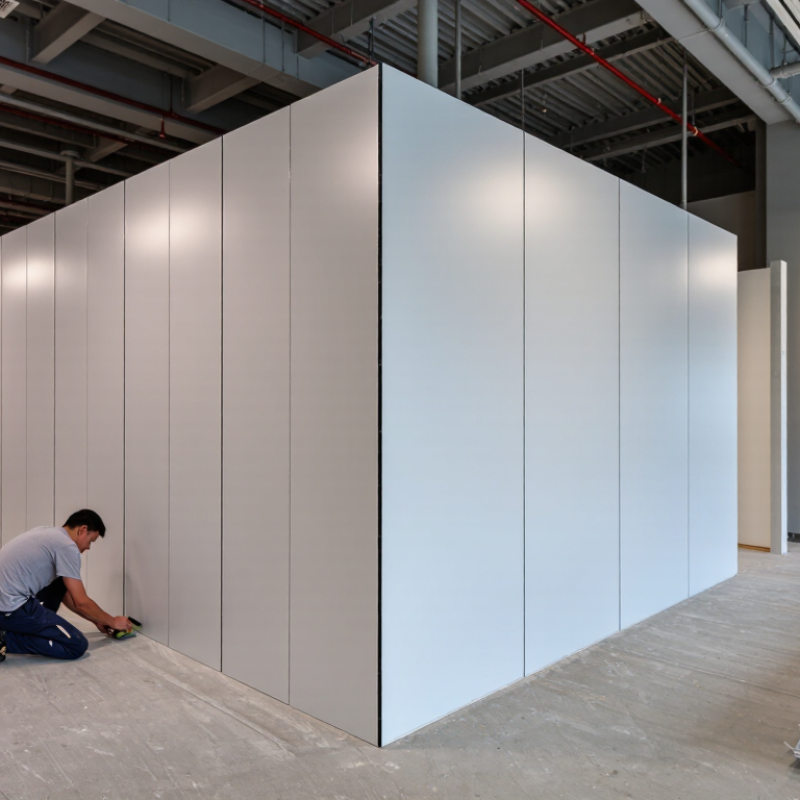
Plastic wall panels are lightweight interior or exterior surfaces made from polymers such as PVC, polyethylene, or recycled plastic blends. They are designed to cover walls, protect substrates, and simplify cleaning in demanding spaces. PlasticsEurope reported global plastic production at 400.3 million tonnes in 2022. Construction remains one of its important application areas. However, not every plastic panel has the same formulation or performance.
Manufacturing usually starts with polymer resin, stabilizers, pigments, and impact modifiers. Recycled content may also be added, depending on the required strength and finish. These materials are heated and mixed inside an extruder. The softened compound then passes through a shaped die, forming a continuous panel. Cooling rollers set its dimensions. Cutting, embossing, printing, or surface lamination follows. A textured surface can imitate tile lines or wood grain, while sealed edges help reduce moisture entry. Quality checks commonly measure thickness, impact resistance, color stability, and dimensional change.
The process sounds simple. It is not always consistent. Poor temperature control can create weak spots or uneven surfaces. The U.S. Environmental Protection Agency estimated 600 million tons of construction and demolition debris in 2018. That figure makes material selection and end-of-life planning important. I would not label every plastic panel sustainable. A panel with verified recycled content, low-emission additives, and documented disposal options is a more credible choice. Always check technical sheets, fire ratings, and installation conditions before specifying it.
Why Choose Plastic Wall Panels for Your Next Project?
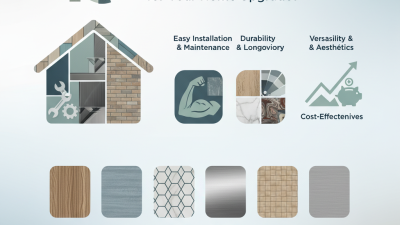
Plastic wall panels offer practical benefits where moisture, cleaning, and installation time matter. Their non-porous surfaces can resist water absorption and reduce places where dirt collects. That makes them useful for bathrooms, utility rooms, food-service areas, and healthcare spaces. Cleaning crews can usually wipe smooth panels faster than textured masonry. Small detail. It affects daily labor.
The 2023 Global Status Report for Buildings and Construction, published by UNEP, states that buildings create about 37% of global energy-related emissions. Material choices therefore deserve careful review, not automatic approval. Plastic panels can reduce replacement work when they protect walls from splashes, impacts, and routine chemical exposure. However, durability depends on thickness, joint design, and correct installation. They are not magic. Poorly sealed edges can still allow moisture behind the panel. Some products also perform differently under heat or fire, so project teams should check tested ratings and local requirements.
Tips: Measure twice before cutting. Use compatible adhesives, trims, and sealants. Request technical data covering water resistance, cleaning chemicals, impact strength, and fire performance. ASTM and ISO test methods can help compare products, but test results are not identical to real site conditions. Dodge Construction Network’s 2023 construction research also reported that sustainability remains a major project consideration for many contractors. Choose panels with documented recycled content and end-of-life information where available. A lower purchase price may become expensive if repairs arrive early.
| Key Benefit | What It Means for a Project | Typical Performance or Fact | Practical Project Value |
|---|---|---|---|
| Moisture Resistance | Plastic panels do not absorb water in the same way as many porous wall materials. | Low water absorption for common PVC and HDPE panel systems. | Suitable for bathrooms, utility rooms, kitchens, workshops, and other damp environments when correctly sealed. |
| Easy Cleaning | The smooth, non-porous surface can usually be wiped with a damp cloth and a suitable mild cleaner. | Low-maintenance surface with fewer joints and textures that can trap dirt. | Helps reduce routine cleaning time in residential, commercial, and light industrial spaces. |
| Resistance to Rot and Corrosion | Plastic is not subject to wood rot and does not rust like ferrous metal. | Good resistance to biological decay and corrosion in many interior applications. | Useful where repeated exposure to humidity, condensation, or cleaning water is expected. |
| Fast Installation | Many systems can be installed over suitable substrates with adhesive, mechanical fasteners, or interlocking profiles. | Reduced wet work compared with installations requiring plaster, mortar, or extensive curing. | Can help shorten installation schedules and limit disruption during renovations. |
| Lightweight Handling | Plastic sheets and panels are generally easier to carry and position than many masonry or cement-based products. | Lower handling effort than heavier wall finishes, depending on panel thickness and construction. | May simplify transportation, cutting, alignment, and installation in confined areas. |
| Impact Performance | Some thicker or reinforced plastic panels can withstand routine knocks and abrasion. | Application-dependent durability; HDPE and impact-modified systems are often selected for demanding areas. | Appropriate panel selection can reduce damage from carts, equipment, and everyday contact. |
| Design Flexibility | Panels are available in different colors, textures, patterns, dimensions, and surface finishes. | Multiple finish options without requiring a separate decorative coating in every application. | Supports both functional wall protection and coordinated interior design schemes. |
| Material Efficiency | Panels can often be cut to fit, allowing installers to work around openings and project-specific dimensions. | Cut-to-fit installation with offcuts potentially usable for smaller sections, subject to layout planning. | Accurate measurement and nesting can help control material waste and installation costs. |
| Thermal and Acoustic Options | Plastic wall systems may be combined with insulation, backing boards, or specialized cores. | System-dependent performance; the panel alone should not be assumed to provide significant insulation. | Allows the wall assembly to be specified for comfort, sound control, or energy requirements. |
| Long Service Potential | Properly selected and installed panels can maintain their appearance and function over extended periods. | Durability depends on exposure, UV stability, temperature, chemicals, impact, and maintenance. | Choosing a panel rated for the intended environment can reduce replacement frequency. |
| Recyclability Considerations | Some plastic types can be identified, separated, and recycled through suitable waste-management systems. | Material-specific; recyclability depends on polymer type, additives, contamination, and local facilities. | Project teams can improve end-of-life options by selecting clearly identified materials and planning removal. |
| Safety and Compliance | Fire behavior, slip resistance, chemical resistance, and hygiene suitability vary by product and application. | Verify tested ratings against applicable building codes and project specifications. | Product documentation and proper installation are essential for compliant, safe wall assemblies. |
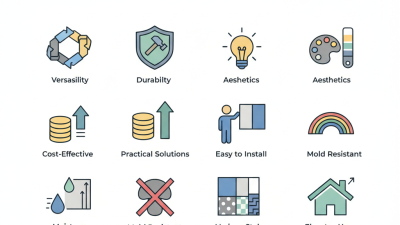
Plastic wall panels suit many projects because they resist moisture, clean quickly, and install with less disruption than ceramic tile. Their value depends on choosing the right panel type. A wet bathroom, commercial kitchen, and healthcare corridor face different demands.
PVC panels are lightweight and practical for bathrooms, laundry rooms, and utility areas. They offer smooth surfaces with few joints, which helps reduce dirt buildup.
FRP panels contain fiberglass reinforcement and handle frequent washing, making them suitable for kitchens, food preparation rooms, and service spaces. They are durable, but poor cutting can leave rough edges that collect grime.
HDPE panels provide strong impact and chemical resistance. They work well in workshops, locker rooms, animal-care facilities, and busy institutional buildings.
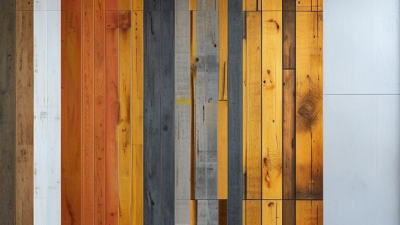
Acrylic and polycarbonate panels create a cleaner decorative finish for reception areas, retail interiors, and partitions. These materials look refined. They can scratch if cleaned with abrasive tools. Not every space needs gloss.
Before installation, inspect the wall for dampness, movement, or uneven surfaces. Seal joints carefully around sinks, corners, and floor lines. Check the panel’s fire rating, temperature limits, cleaning requirements, and local building codes. A panel may resist water yet fail when installed over a weak substrate. That detail is easy to overlook. Choosing by appearance alone can create maintenance problems later, especially in rooms exposed to heat, chemicals, or repeated impact.
Why Choose Plastic Wall Panels for Your Next Project?
How to Choose the Right Plastic Wall Panels
Choosing plastic wall panels starts with the room, not the color chart. Measure moisture, temperature changes, cleaning routines, and daily impact. A shower room needs different performance from a retail corridor or workshop. Look for panels rated for wet areas and check their water-resistance test data. Attractive surfaces cannot repair a weak core.
Panel thickness affects stiffness, handling, and impact resistance. Thicker panels often feel more stable, but they may require stronger supports and careful cutting. Examine the surface under bright light. Fine texture can hide fingerprints, while deep grooves may collect dirt. Request physical samples before ordering. Online images can distort color and gloss.
Safety documentation deserves close attention. Ask for fire-performance classifications, indoor-air testing, installation instructions, and maintenance limits. Confirm that adhesives, trims, and fasteners are compatible with the panel material. A reliable supplier should provide traceable technical documents, not vague promises. I once selected a panel mainly for its low price, then underestimated the uneven wall behind it. The installation took longer than planned. That mistake still influences my checks today.
Consider the existing substrate. Panels cannot conceal serious dampness or movement forever. Inspect corners, joints, penetrations, and ventilation before installation. Choose a finish that suits the light, cleaning chemicals, and expected traffic. Sometimes the most practical option looks less impressive in a showroom. That is not a failure. It may be the better decision.
Plastic wall panels are commonly selected for their moisture resistance, easy cleaning, lightweight installation, and low-maintenance surface. Use the comparison below to help choose the right panel characteristics for your project.
The scores use a practical 1–5 selection scale, where 5 represents the strongest suitability. Actual performance depends on panel thickness, surface finish, installation method, and project conditions.
Plastic wall panels can simplify installation when the wall surface is clean, dry, and reasonably flat. In site work, I have seen rushed preparation cause more problems than the panels themselves. Measure twice. Leave small expansion gaps near corners, floors, and ceilings. Follow the product’s installation instructions, especially around seams and wet areas. Proper adhesive selection also matters because temperature and humidity can affect bonding.
Maintenance is usually straightforward. A soft cloth, warm water, and mild soap can remove everyday dust and splashes. Avoid abrasive pads and harsh solvents, which may dull or damage the surface. Inspect joints occasionally. A loose edge or cracked seal can allow moisture behind the panel. Plastic panels resist water, but they are not a substitute for sound waterproofing. That distinction is easy to overlook.
Tips: Store panels flat in the project room before installation. Keep them away from direct heat and sunlight. Use clean, sharp tools for smoother cuts. I would not promise unlimited durability; heavy impacts, strong heat, and poor ventilation still create risks. Long-term performance depends on careful fitting and regular inspection. A five-minute check can prevent a costly repair.