Top Plastic Wall Panels from China for Your Home or Business?
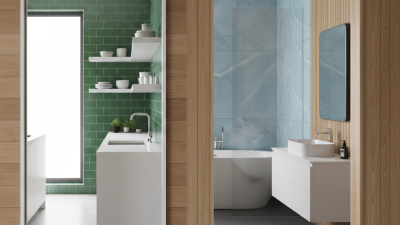
When considering renovations for your home or business, the aesthetics and durability of your walls are essential. Plastic Wall Panels stand out as an innovative solution, combining style with practicality. According to David Smith, a leading expert in interior design, "Plastic Wall Panels provide an efficient way to revitalize any space without extensive renovations."
These panels offer a versatile choice in various styles and colors, enhancing any atmosphere. They are lightweight yet sturdy, making installation a breeze. With increasing demand, manufacturers in China produce high-quality panels at competitive prices. However, the abundance of options can overwhelm buyers. It’s crucial to research features, durability, and customer reviews to make informed choices.
While Plastic Wall Panels present many advantages, quality can vary. Some cheaper options may lack durability, leading to regrets down the line. Consumers should seek trusted suppliers who prioritize quality and innovation. Investing time in selecting the right panels ensures they meet both functional and aesthetic needs, ultimately transforming your space.
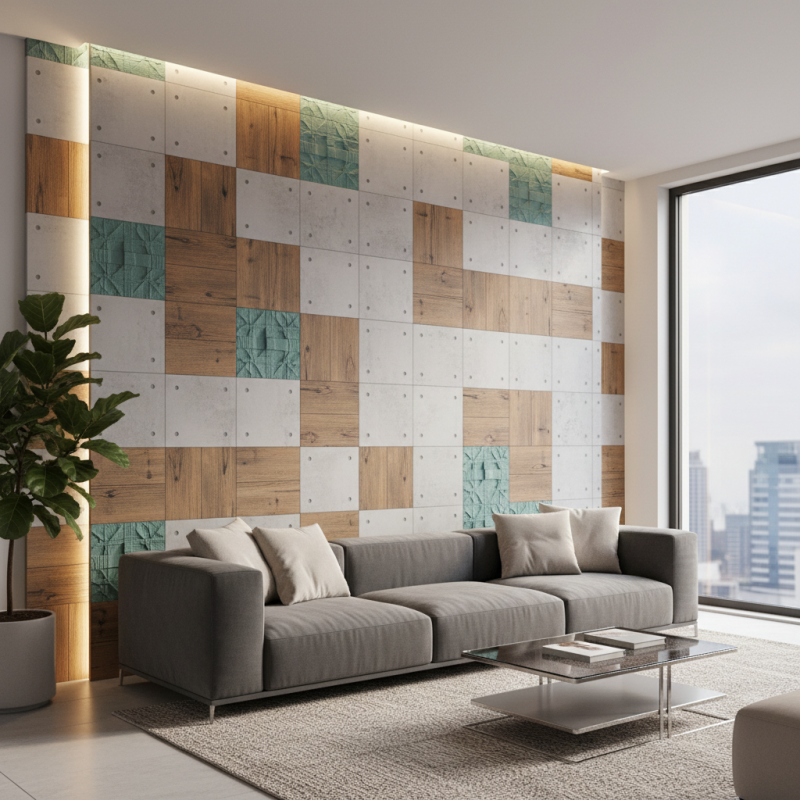
Top Plastic Wall Panels: An Overview of Types and Materials
When considering plastic wall panels, it's essential to know the various types and materials available. Common types include PVC panels, acrylic panels, and polycarbonate panels. Each has unique properties suitable for different applications. For example, PVC panels are lightweight and resistant to moisture, making them ideal for bathrooms or kitchens. Acrylic panels offer excellent clarity and can be colored or patterned for aesthetic appeal.
The materials used in these panels also vary. PVC is cost-effective and durable, often used in residential spaces. Acrylic is more scratch-resistant and can withstand UV exposure. Polycarbonate panels, while heavier, provide significant structural strength and are often utilized in commercial settings.
These options allow for versatility in design. However, the choice of material should consider installation requirements and maintenance over time. It’s also important to evaluate their lifecycle and environmental impact. Not all panels age gracefully; some may fade or warp under certain conditions. Thorough research and careful selection are crucial for achieving long-term satisfaction.
Market Trends: Growth of Plastic Wall Panels in China
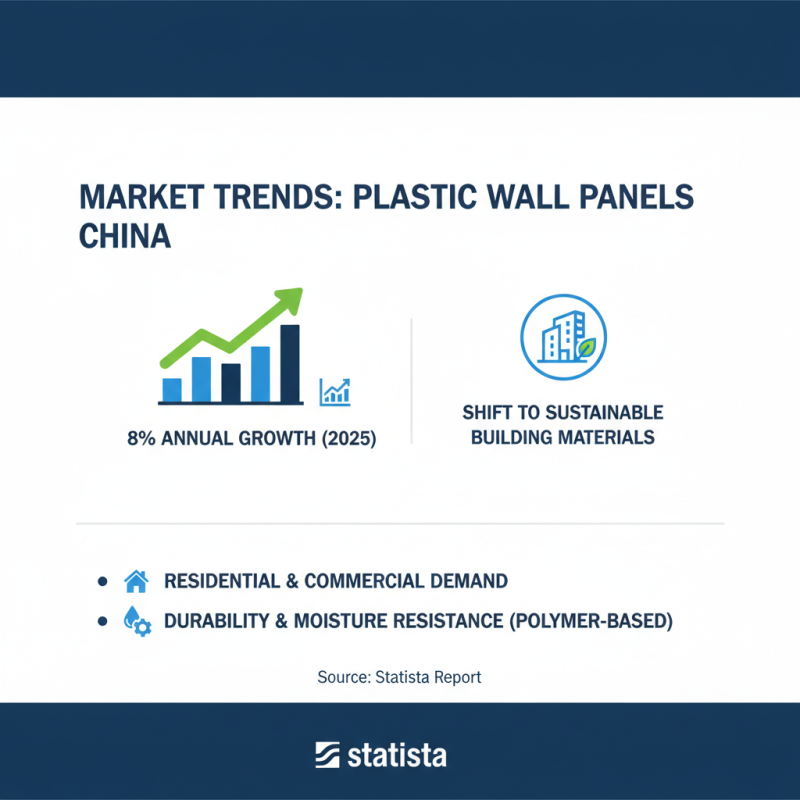
The growth of plastic wall panels in China reflects a shift towards sustainable building materials. According to a recent report from Statista, the market for plastic wall panels is projected to grow by 8% annually through 2025. This rise is fueled by increasing demand in both residential and commercial sectors. Furthermore, the polymer-based materials are gaining popularity due to their durability and resistance to moisture, making them ideal for various environments.
Consumers are drawn to plastic wall panels for their cost-effectiveness. Unlike traditional materials, these panels reduce installation time and labor costs. However, not all panels are created equal. Potential buyers should remain cautious about the quality of materials and credentials of suppliers. The market is vast, and some products may not meet international safety standards. Researching certifications can safeguard against low-quality purchases.
Tip: When selecting plastic wall panels, choose options that offer a warranty. This can be a reflection of the manufacturer's confidence in their product. Additionally, consider the installation process. Some panels may require specific tools and expertise. Understanding these details can ensure a smoother renovation or construction project.
Key Benefits of Plastic Wall Panels for Home and Business Use
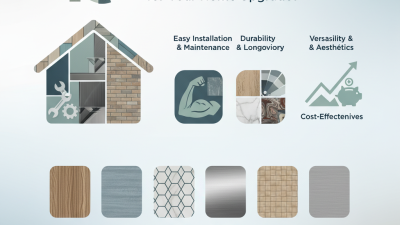
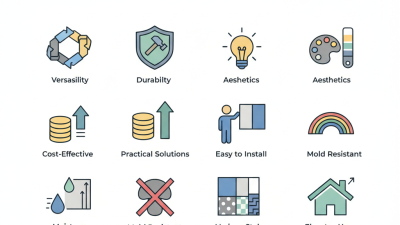
Plastic wall panels are becoming increasingly popular for both home and business applications. One significant advantage is their durability. They are resistant to moisture and stains, making them ideal for areas prone to spills. This durability contributes to reduced maintenance costs. They are also lightweight, making installation a simple process. You can transform a space quickly without hiring a professional.
Another benefit is their versatility in design. Plastic panels come in various colors and textures. This variety allows you to create customized aesthetics that suit your style or branding. They are easy to clean, which is important in high-traffic areas. Each panel can be wiped down with minimal effort, maintaining a polished appearance.
However, there are considerations to keep in mind. Some users may find that thinner panels feel less sturdy. Additionally, while these panels can mimic more expensive materials, they may not have the same elegance as natural options. It’s essential to evaluate the long-term benefits versus the initial cost. Investing in quality panels can yield better results over time.
Top Plastic Wall Panels Benefits for Home and Business
Durability and Maintenance: Industry Standards for Plastic Wall Panels
When choosing plastic wall panels for homes and businesses,
durability is paramount. Industry studies indicate that
high-quality plastic panels can last between 10 to 30 years.
They resist moisture and won't warp, making them ideal for basements and kitchens. Maintenance is also straightforward.
Most panels require only a simple wipe-down with mild soap and water to look new.
A report by the American Society for Testing and Materials
highlights the importance of impact resistance in wall panels. Panels that can withstand impacts of
2 to 3 joules without cracking are considered durable. This standard is crucial for environments prone
to wear and tear. It's worth noting that not all products meet these benchmarks. Therefore, careful selection is necessary.
Environmental impact is another factor to consider. While many plastic panels are recyclable,
some may not break down easily. Research from the Plastics Industry Association suggests that
less than 10% of plastic waste ends up being recycled effectively.
This highlights the need for responsible sourcing
and usage of plastic materials in wall panel construction.
Cost Analysis: Comparing Plastic Wall Panels to Traditional Materials
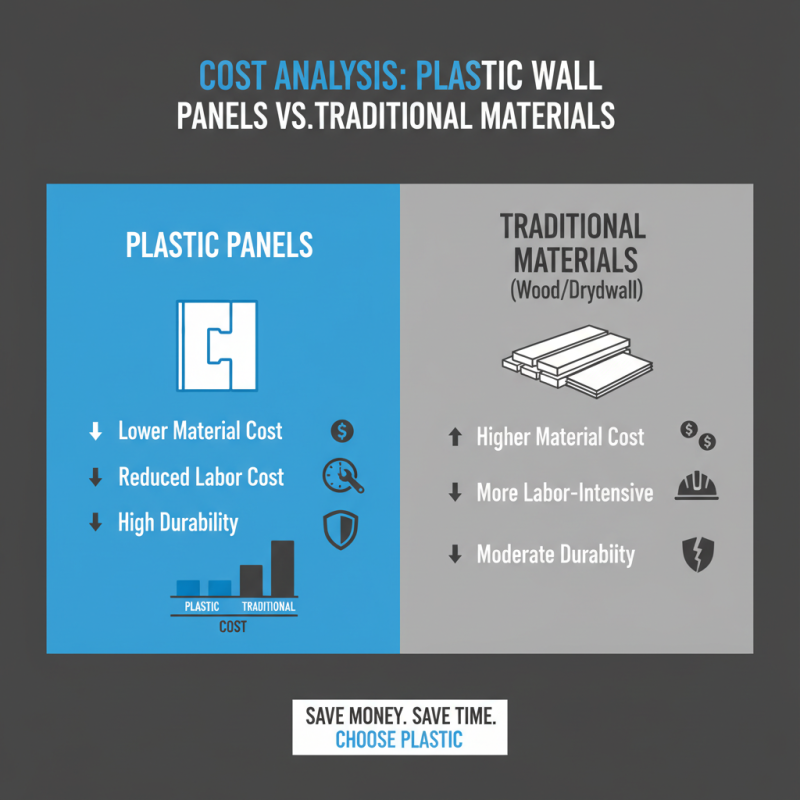
When considering wall materials, plastic wall panels are worth exploring. They present a unique combination of affordability and durability. In many cases, these panels can cost significantly less than traditional materials like wood or drywall. Installing plastic panels may also save on labor costs, as they can often be easier to handle and install.
A deeper analysis reveals that while traditional materials might offer a classic aesthetic, they often require more maintenance. For instance, wood can warp or rot over time, necessitating frequent repairs. In contrast, plastic panels are resistant to moisture and pests. However, they may not provide the same level of soundproofing. Customers should weigh these factors to determine the best fit for their needs.
While plastic wall panels can seem like a cost-effective choice, it is essential to consider their longevity and environmental impact. They may not always be recyclable, unlike some traditional materials. This consideration can lead to larger questions about sustainability and responsibility. Reflecting on these aspects helps clarify the decision process when choosing between plastic and more conventional wall options.