Why Choose Plastic Wall Panels for Your Next Project?
In the ever-evolving construction industry, the choice of materials can make or break a project. Plastic Wall Panels have gained significant attention for their versatility and durability. Industry expert Dr. Mark Wilson once said, "Plastic Wall Panels offer a perfect blend of aesthetics and functionality." This statement underscores their rising popularity in various applications, from residential spaces to commercial projects.
These panels can withstand moisture and are easy to clean, making them ideal for kitchens and bathrooms. Furthermore, their lightweight nature streamlines the installation process. While the aesthetic appeal is notable, some may ponder whether they lack the warmth of traditional materials. This is a point worth considering as designers balance beauty with functionality.
Plastic Wall Panels provide an intriguing solution for modern building challenges. However, potential buyers should research thoroughly. Understanding the pros and cons is essential for making an informed choice. The practicality and design flexibility they offer often outweigh concerns, but individual project needs should always guide the decision.
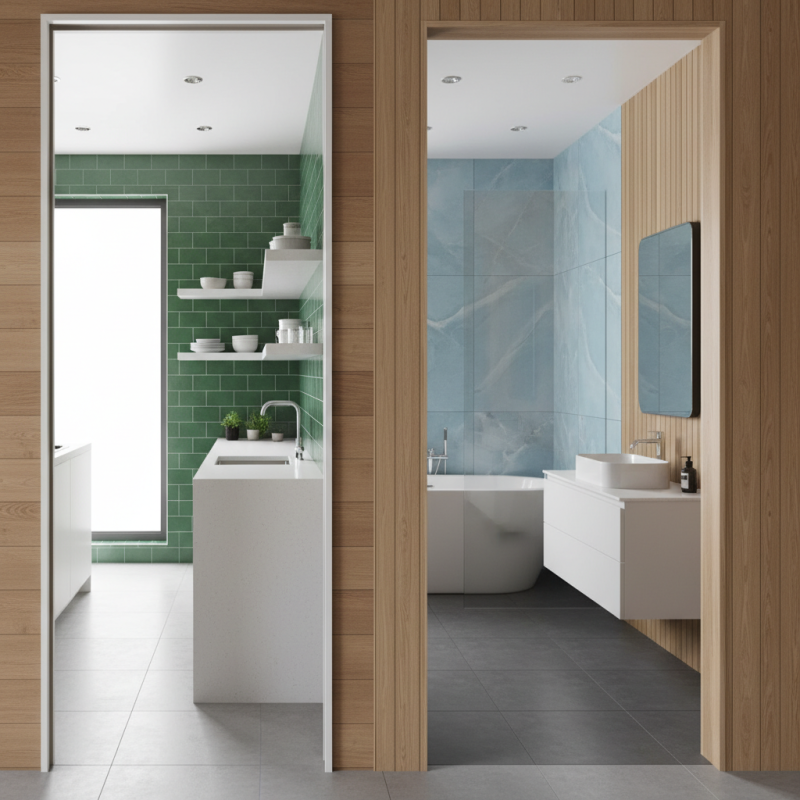
Benefits of Using Plastic Wall Panels in Construction Projects
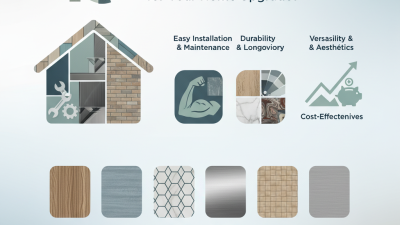
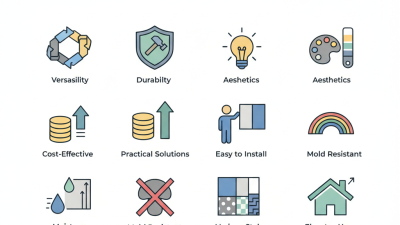
Plastic wall panels offer several advantages for construction projects. Their lightweight nature simplifies installation, reducing labor costs and speeding up timelines. According to a report by the Building Research Establishment, using plastic panels can cut installation time by up to 30%. This efficiency is attractive for contractors working under tight schedules.
Furthermore, plastic wall panels are moisture-resistant. This makes them ideal for humid environments like bathrooms or kitchens. A study by the National Association of Home Builders found that homes with moisture-resistant materials experience 40% fewer problems with mold and mildew. Such properties lead to increased durability and maintain the integrity of structures over time.
While they present clear benefits, potential issues exist. Some may argue about the aesthetic value of plastic compared to traditional materials. Others raise questions about recyclability and environmental impacts. It's vital for decision-makers to weigh these factors carefully. Ultimately, examining project goals and context is key to the effective use of plastic wall panels.
Durability and Longevity of Plastic Wall Panels Compared to Alternatives
Plastic wall panels have become increasingly popular in various projects due to their impressive durability. Unlike traditional materials, plastic panels resist moisture, mold, and mildew. According to a report by the Building Research Establishment, these panels can last over 30 years with minimal maintenance. This contrasts sharply with painted drywall, which may require frequent touch-ups or replacements.
The longevity of plastic wall panels also translates into significant cost savings over time. Studies show that maintenance and repair costs for traditional materials can add up to 20% of project budgets. In contrast, plastic panels often need only periodic cleaning. Moreover, they are resistant to scratches and dents, making them an ideal choice for high-traffic areas. However, potential downsides include lower aesthetic appeal compared to wood or stone finishes. It's crucial to weigh these factors in the decision-making process.
When choosing materials, consider environmental impact. While plastic panels are durable, their production involves fossil fuels, raising sustainability concerns. Balancing durability with environmental responsibility is vital. Always consult industry reports and expert guidance to ensure informed choices in modern construction projects.
Cost-Effectiveness of Plastic Wall Panels in Home and Commercial Use
Plastic wall panels have gained popularity for various projects, both residential and commercial. Their cost-effectiveness stands out. They offer a budget-friendly alternative to traditional materials. Installation is straightforward and can reduce labor costs significantly. Many people appreciate this practical aspect.
In homes, plastic panels can transform spaces without a hefty investment. They are easy to clean and maintain. For commercial environments, durability is key. Plastic wall panels resist wear and tear better than many other options. This feature leads to savings in long-term maintenance costs.
However, there are potential concerns to consider. Some might notice the aesthetic differences between plastic and traditional materials. This can affect the overall ambiance of a space. It's important to weigh these factors before making a choice. Finding the right balance between cost and appearance is crucial.
Versatility of Design and Customization Options for Plastic Wall Panels
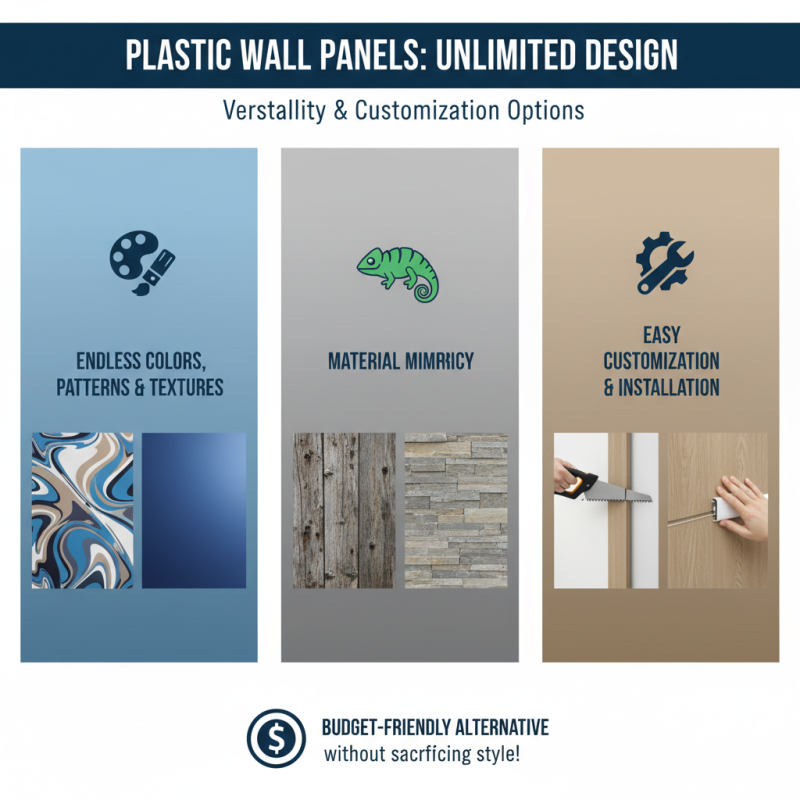
Plastic wall panels offer incredible versatility in design and customization. They come in a vast array of colors, patterns, and textures. Whether you seek a sleek modern look or a rustic feel, plastic panels can meet your vision. They can mimic materials like wood or stone, providing a budget-friendly alternative without sacrificing style.
When choosing designs, consider the location. High-traffic areas benefit from durable finishes that resist scratches. For softer spaces, go for textured panels that add depth. Customizing panels can include unique shapes or cutouts, allowing for creative installations that surprise and delight.
Tips: Prioritize quality over the latest trend. Sometimes, what's trending may not fit your unique space. Always ask about the longevity of finishes. It’s important to ensure they hold up over time. Balancing aesthetics with functionality will yield the best outcome. Reflect on how these panels will enhance your specific project goals and how they can align with your overall vision.
Environmental Considerations and Sustainability of Plastic Wall Panels
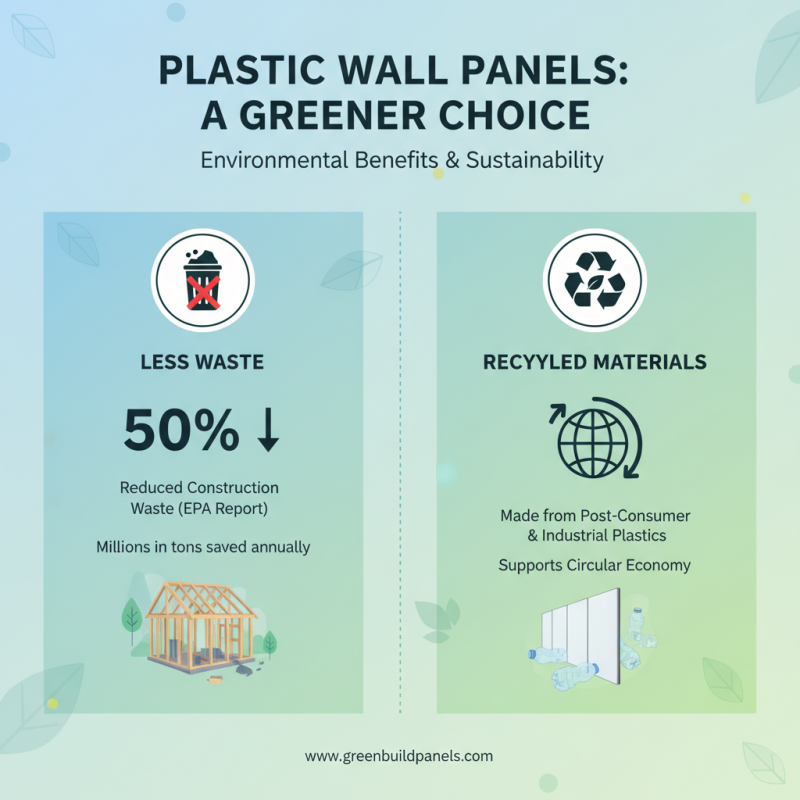
Plastic wall panels have gained attention due to their environmental advantages. According to a report by the Environmental Protection Agency, plastic materials can reduce waste by up to 50% in construction. This is critical in an industry that produces millions of tons of waste annually. These panels are often made from recycled materials, which contributes to sustainability goals.
The lifecycle of plastic wall panels is also noteworthy. They can last for decades, requiring minimal maintenance. This longevity reduces the need for frequent replacements. However, it is essential to consider the end-of-life impact of these panels. Recycling options exist, but only if proper programs are in place. The circular economy approach can mitigate the environmental effects significantly.
Despite their advantages, there are challenges. Not all plastic panels are created equal in terms of recyclability. Some may contain additives that hinder successful recycling. As consumers and builders, it is vital to choose options that offer clear environmental benefits. Being aware of the source and manufacturer's sustainability practices can guide better choices.