As we approach 2026, the plastic wall cladding market is evolving. Buyers must understand current trends influencing their choices. Plastic wall cladding is becoming a popular alternative due to its versatility and durability.
New designs and colors are emerging, catering to diverse aesthetics. Environmental concerns are prompting the use of recycled materials in production. However, not all products are created equal. Buyers should evaluate the quality and source of the materials.
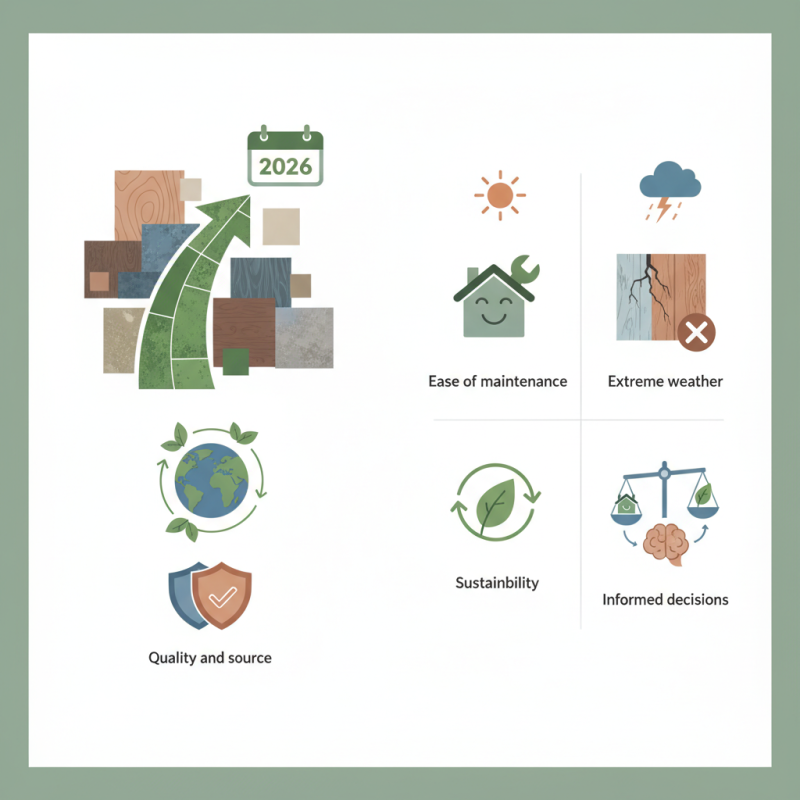
There are advantages and disadvantages to this trend. While plastic wall cladding offers ease of maintenance, some options may not withstand extreme weather conditions. It's crucial to make informed decisions that balance aesthetics, sustainability, and performance.
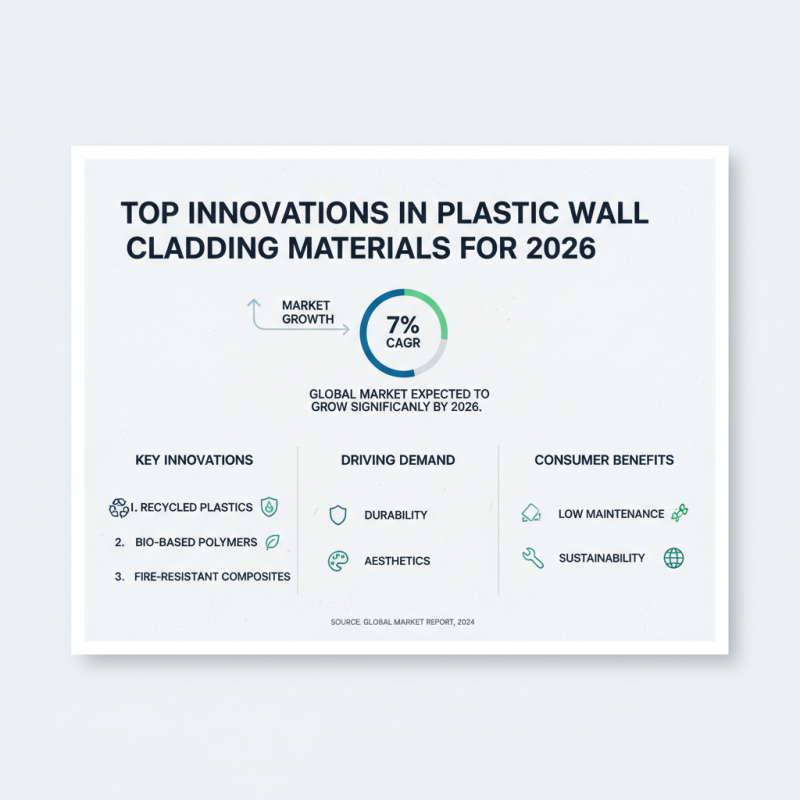
The plastic wall cladding market is evolving rapidly. Innovations in materials are driving interest among buyers. According to a recent market report, the global plastic wall cladding market is expected to grow significantly by 2026, with a projected CAGR of over 7%. This trend indicates a strong demand for durable and aesthetic wall solutions.
A focus on composite materials is emerging. These materials combine the strength of plastics with the visual appeal of natural textures. Enhanced UV resistance and ease of maintenance are key features appealing to consumers. Reports indicate that sustainable options are also gaining traction. Eco-friendly plastics made from recycled materials are on the rise. They offer a greener alternative without compromising quality.
However, buyers should be cautious. Not all products labeled as sustainable are truly eco-friendly. Some companies may exaggerate their environmental claims. It's crucial to verify certifications and conduct thorough research. Staying informed about regulatory standards is also essential. As trends evolve, buyers must balance innovation with reliable sourcing. This ensures that they make educated decisions in a growing market.
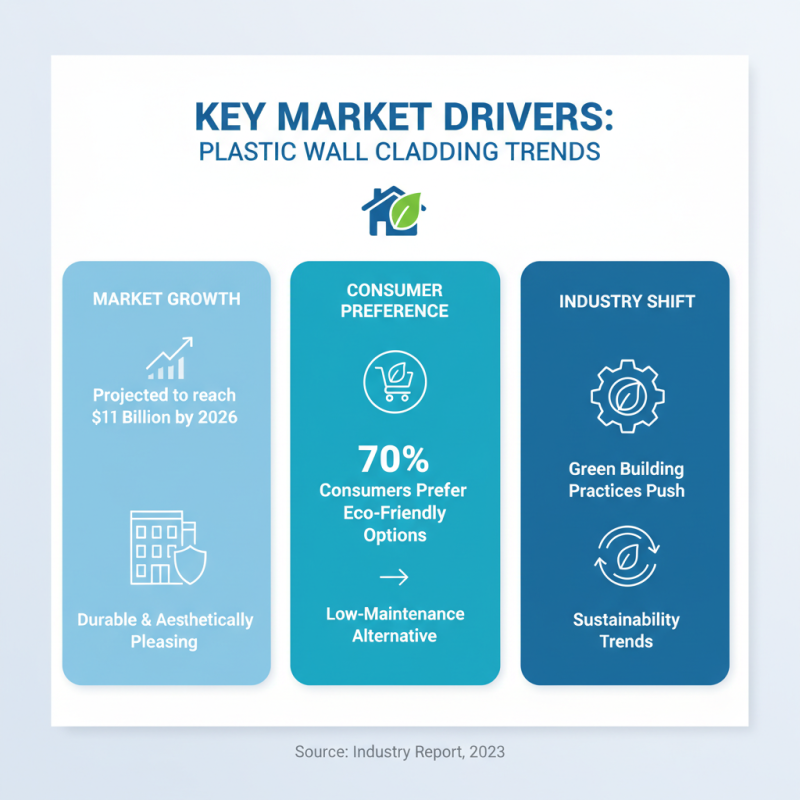
As the demand for durable and aesthetically pleasing building materials continues to rise, the plastic wall cladding market is experiencing notable growth. According to a recent industry report, the global plastic wall cladding market is projected to reach $11 billion by 2026, driven by the increasing need for low-maintenance alternatives to traditional materials. Buyers today are influenced heavily by sustainability trends. A significant 70% of consumers prefer eco-friendly options, aligning with the construction industry's push towards green building practices.
The market is also impacted by technological advancements. Recent innovations in material science have led to the production of lightweight, high-performance cladding solutions. These new materials are not only easier to install, but also offer enhanced insulation properties. In fact, reports indicate that these emerging cladding technologies could improve energy efficiency by up to 30%. However, some buyers may still find the rapid technological changes overwhelming, leading to uncertainty about long-term investments.
Cost considerations are another critical factor. Although plastic wall cladding can be a bit more expensive initially, its longevity and durability can lead to cost savings over time. Research shows that cladding can extend the life of a building by more than a decade, reducing the need for frequent repairs. This presents a dilemma for buyers, as they balance initial expenditure against future savings.
Sustainability is reshaping the plastic wall cladding industry. Eco-friendly materials are gaining traction. Manufacturers are prioritizing recycled plastics. These materials help minimize environmental impact. The focus is on creating durable solutions that are also sustainable. Recycled polyethylene and polypropylene are popular choices. They offer high performance without compromising on quality.
However, challenges remain. Not all recycled plastics perform equally. Some may lack the strength needed for wall cladding applications. This inconsistency can lead to skepticism among buyers. Furthermore, sourcing high-quality recycled materials can be difficult. Not all suppliers have the same standards. Balancing sustainability and performance is crucial for success.
Industry practices are also evolving. Many manufacturers are adopting transparent sourcing methods. Consumers demand to know where materials come from. This promotes accountability in production. While these changes are promising, the journey towards full sustainability is ongoing. Buyers should remain informed. Understanding these nuances can lead to better purchasing decisions. Seeking out products that meet robust sustainability criteria is essential.
This chart illustrates the anticipated buyer interest levels in various trends related to plastic wall cladding for 2026. Notably, the emphasis on eco-friendly materials and durability are leading the preferences among potential buyers.
As we look ahead to 2026, the plastic wall cladding market is evolving. Emerging design trends focus on both aesthetics and functionality. Modern designs now emphasize eco-friendliness and versatility. Textured finishes and bold colors are gaining popularity, adding visual interest to both residential and commercial spaces.
Tips: Consider color psychology when selecting cladding. Warm tones create a cozy atmosphere, while cool colors offer a calm vibe.
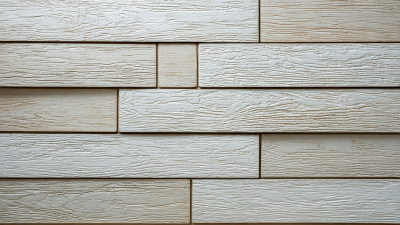
Sustainability is another key trend. More buyers are seeking recycled materials. This shift reflects growing environmental awareness. Patterns that mimic natural materials, like wood or stone, are also trending. They provide an organic feel, enhancing the connection to nature.
Tips: Always check the material's sustainability certifications. This ensures you choose a responsible product.
Additionally, customization is gaining traction. Buyers want unique designs that reflect personal style. Whether it’s bespoke patterns or specific textures, options continue to expand. However, this trend requires careful consideration of installation methods and long-term maintenance. Remember, not all styles suit every environment. It’s essential to assess the practicality of your choices.
As we look ahead to 2026, consumer preferences for plastic wall cladding are evolving. Environmental sustainability has become a significant factor for buyers. Many consumers are seeking alternatives that minimize their carbon footprint. Recyclable materials and eco-friendly production methods are in high demand. Companies need to highlight these aspects to attract a conscientious customer base.
Aesthetic appeal also plays a crucial role. Buyers favor cladding options that mimic natural materials, like wood or stone. These designs provide a warm and inviting feel. However, it's essential to balance appearance with durability. Some products may look good but fail to stand up to harsh conditions.
Price remains a constant consideration. While consumers desire high quality, they are also budget-conscious. They want long-lasting materials but hesitate to overspend. Businesses should be ready to discuss value for money clearly with customers. Transparency about costs and benefits will build trust and loyalty in a competitive market.
| Trend | Description | Consumer Preference (%) | Key Factors Influencing Purchase |
|---|---|---|---|
| Sustainable Materials | Growing demand for eco-friendly options and recyclable materials. | 65% | Environmental impact, brand image, cost effectiveness. |
| Textured Finishes | Increase in demand for cladding that mimics natural materials. | 58% | Aesthetics, maintenance, durability. |
| Modular Systems | Rise in popularity of easy-to-install, modular wall systems. | 55% | Installation time, flexibility, cost. |
| Smart Technology Integration | Incorporating technology for energy efficiency and automation. | 52% | Innovation, energy savings, modern appeal. |
| Customizable Colors | Demand for personalized color choices for better design. | 60% | Personalization, design flexibility, branding. |