Top Benefits of PVC Wall Cladding for Global Buyers?
In recent years, the construction industry has seen a significant rise in the popularity of PVC Wall Cladding. According to a report by MarketsandMarkets, the global market for PVC materials is expected to reach $70 billion by 2025, reflecting a growing acceptance of these solutions. PVC Wall Cladding offers numerous benefits, making it an attractive option for various applications, including residential and commercial projects.
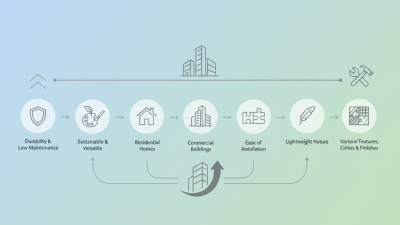
One of the standout features of PVC Wall Cladding is its durability. It resists moisture, rot, and pests, which ultimately reduces maintenance costs. As reported by the Vinyl Institute, PVC materials can last up to 30 years, showcasing their longevity compared to traditional materials. Furthermore, PVC Wall Cladding is lightweight and easy to install, which can significantly reduce labor costs during construction.
Though PVC has many advantages, it is important to consider its environmental impact. The manufacturing process can produce harmful emissions. However, advancements in recycling processes are notable. Many companies are striving to enhance sustainability in PVC production. Striking a balance between benefits and environmental considerations is crucial for making informed choices in the market. Ultimately, PVC Wall Cladding remains a popular solution that offers unique advantages for global buyers.
Advantages of PVC Wall Cladding for Homeowners and Builders
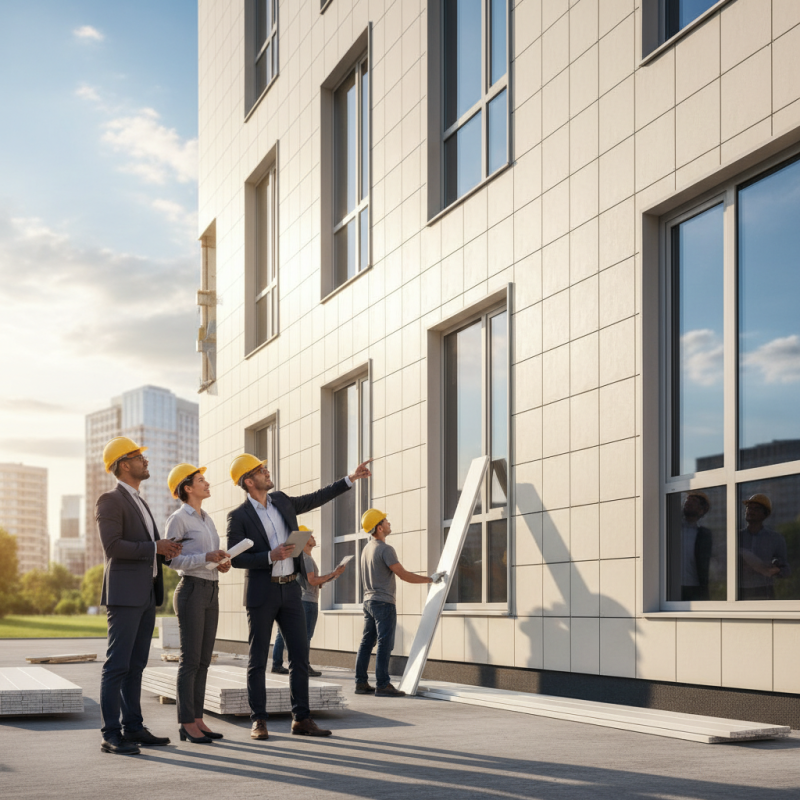
PVC wall cladding has become increasingly popular among homeowners and builders. One key advantage is its durability. According to industry reports, PVC can last over 50 years without significant wear. This longevity makes it an attractive option for residential and commercial projects. Homeowners appreciate that PVC is resistant to moisture, mold, and termites. These features make maintenance much easier.
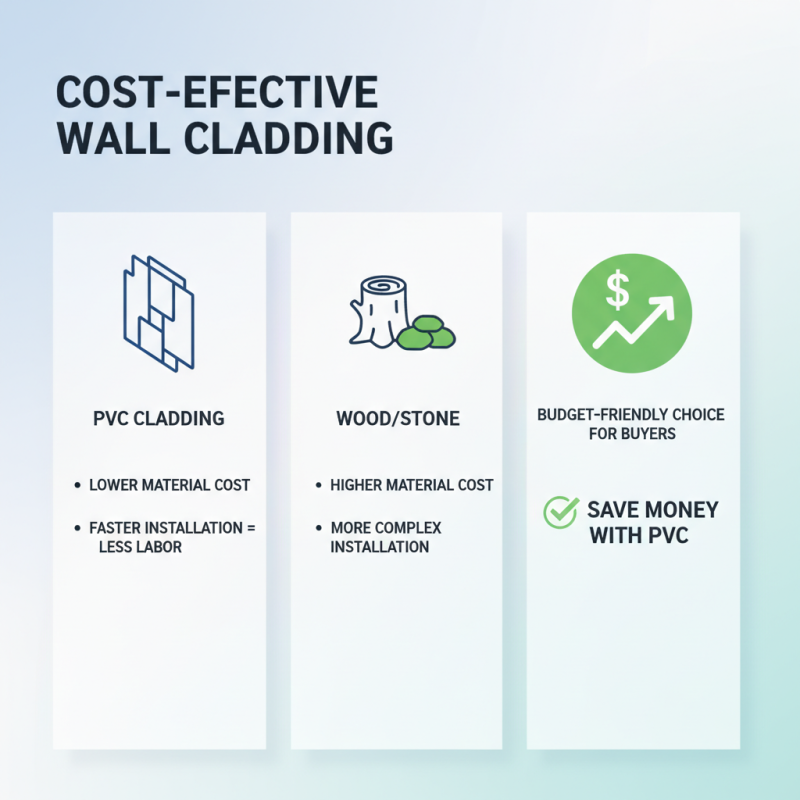
Installation is another significant benefit. Builders often find that PVC is lightweight and easy to handle. This can lead to reduced labor costs. Reports indicate that installation times can be cut by up to 30% compared to traditional materials. Many builders also note that the flexibility of PVC allows for creative designs. Homeowners enjoy a variety of colors and textures that fit their personal style.
However, it’s essential to consider the environmental impact. While PVC is recyclable, the production process can contribute to pollution. Homeowners should weigh these concerns against the practicality of using PVC. Finding a balance between durability and sustainability can be challenging. This conversation is crucial as the construction industry evolves.
Durability and Maintenance Benefits of PVC Wall Cladding
PVC wall cladding offers impressive durability and low maintenance, attracting global buyers. One study highlights that PVC can withstand harsh weather, which is essential in diverse climates. According to industry reports, PVC cladding can last over 30 years with proper care. This longevity reduces the need for frequent replacements, saving resources and costs.
Maintenance for PVC wall cladding is straightforward. Regular cleaning with mild soap and water is often enough. Unlike wood or drywall, PVC resists mold and mildew, reducing health risks. Reports show a decrease in maintenance costs by up to 40% compared to traditional materials. However, some users might notice fading over time, which raises concerns about long-term aesthetics.
Choosing PVC doesn't come without challenges. Although it is resistant to many environmental factors, it can be sensitive to extreme temperatures, causing expansion or contraction. Buyers must consider installation techniques to mitigate these issues. Despite these drawbacks, the balance of durability and maintenance can still lead to significant benefits in the long run.
Aesthetic Versatility of PVC Wall Cladding in Various Settings
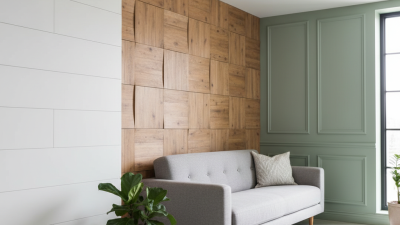
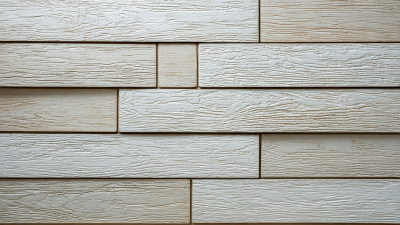
PVC wall cladding offers remarkable aesthetic versatility, making it a popular choice for diverse settings. It can easily mimic various materials like wood and stone while providing durability and low maintenance. This means homeowners can achieve stylish interiors without the hassle of traditional materials. For offices, PVC panels can create a sleek, professional atmosphere that impresses clients and enhances productivity.
In residential spaces, these wall coverings can transform the vibe of a room. For example, a rustic wood finish can bring warmth to a living area. Alternatively, sleek, glossy surfaces can make small spaces appear larger and more modern. While there are many design options, one must consider the longevity of choices and how they will age over time.
However, some may find that the quality can vary across manufacturers. Researching and selecting reliable sources is essential. Not all products offer the same durability or aesthetic appeal. Buyers should weigh their options carefully, as not every PVC wall cladding will meet expectations. Understanding these nuances can lead to a more satisfying design outcome.
Top Benefits of PVC Wall Cladding for Global Buyers
Environmental Impact and Sustainability of PVC Wall Cladding Solutions
PVC wall cladding has gained popularity due to its environmental impact and sustainability. It is a lightweight material that can significantly reduce transportation emissions. This can be particularly valuable for global supply chains. Moreover, PVC is durable, which decreases the frequency of replacement and disposal. This longevity benefits the environment by reducing waste over time.
While PVC is recyclable, not all facilities accept it. Efforts are ongoing to improve recycling processes. Many manufacturers aim to use recycled materials in production. This initiative further enhances the sustainability of PVC wall cladding solutions. However, there's a need for greater awareness and infrastructure to support this shift.
The production process of PVC can raise environmental concerns. Chemicals used in manufacturing must be handled with care. There is also an energy cost involved in production. These factors should not be overlooked. They reflect the complexity of choosing sustainable materials. Despite the challenges, PVC cladding presents ongoing opportunities for innovation and efficiency.
Top Benefits of PVC Wall Cladding for Global Buyers
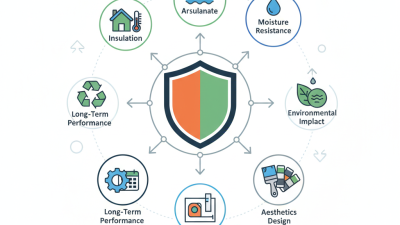
| Benefit |
Description |
Environmental Impact |
Sustainability Aspect |
| Durability |
PVC wall cladding is highly resistant to moisture, corrosion, and insects, ensuring long-term use. |
Reduces waste from replacements and repairs. |
PVC can be recycled, contributing to circular economy. |
| Low Maintenance |
Easy to clean and requires minimal upkeep compared to traditional materials. |
Lowers need for harsh cleaning chemicals. |
Long lifespan reduces environmental footprint. |
| Insulation Benefits |
Provides thermal and acoustic insulation, enhancing energy efficiency. |
Less energy consumption leads to lower carbon emissions. |
Contributes to sustainable building standards. |
| Versatility |
Available in a wide range of colors and finishes, suitable for various applications. |
Adaptable designs can lead to less material waste. |
Flexibility encourages innovative sustainability practices. |
| Cost-Effectiveness |
Lower initial cost and reduced long-term expenses due to its durability and low maintenance. |
Affordable installations can support broader adoption of sustainable materials. |
Economic benefits encourage investment in eco-friendly solutions. |