How to Choose the Best PVC Cladding for Your Exterior?
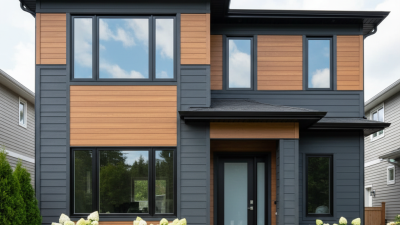
Choosing the right PVC cladding for your exterior can significantly impact your home's appearance and durability. PVC cladding exterior not only enhances aesthetics but also offers low maintenance and weather resistance. Many homeowners feel overwhelmed by the variety of options available. With numerous colors, styles, and finishes, making the right choice can be challenging.
The first step is to consider your home's architecture. Different designs may require specific types of cladding for visual harmony. Furthermore, it's essential to assess the climate in your area. In harsher conditions, durable materials become crucial. While some options may seem appealing, they might not withstand local weather patterns.
A common mistake is prioritizing cost over quality. While budget matters, investing in high-quality materials pays off in the long run. Look for reputable brands known for their resilience. Learning from others' experiences can guide your decision-making process. It’s wise to seek advice from professionals in construction or home design. Always remember, the goal is to find a balance between aesthetic appeal and long-lasting functionality.
Understanding PVC Cladding: Benefits and Features
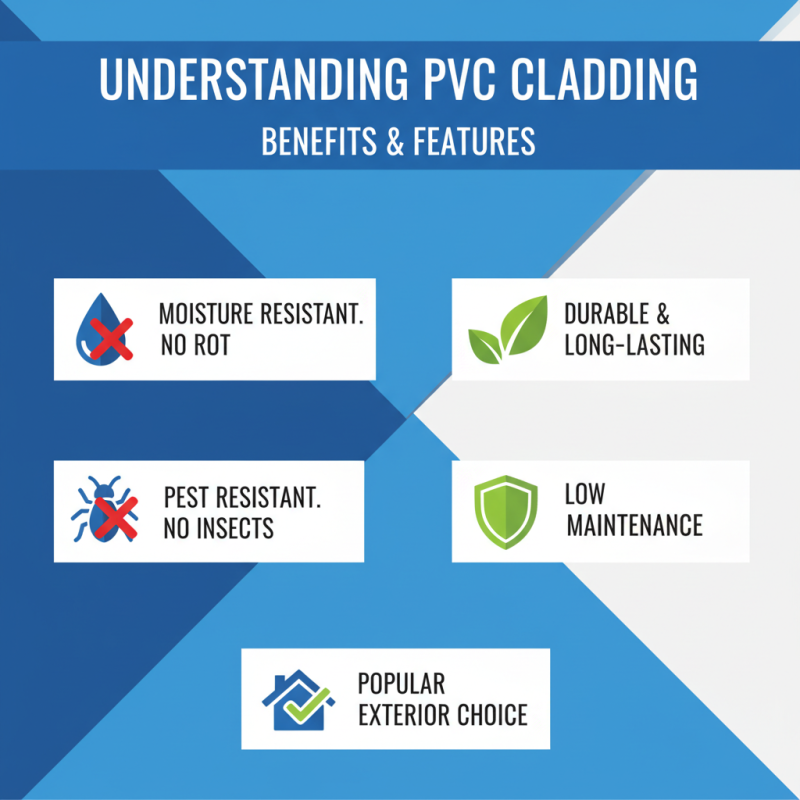
PVC cladding is becoming a popular choice for exterior applications. It offers several benefits that make it appealing for homeowners and builders. One major advantage is its resistance to moisture and pests. Unlike wood, PVC does not rot or attract insects. This feature ensures that your exterior remains in good condition for an extended period.
Another significant benefit is its low maintenance requirements. PVC cladding does not need regular painting or staining, saving you time and effort. Instead, a simple wash is often sufficient to keep it looking fresh. This ease of care is a major draw for busy households.
However, one must consider the potential downsides. Some people find PVC may not provide the same aesthetic appeal as natural materials. Colors can fade over time, which might require periodic replacement. While it is cost-effective initially, long-term durability varies. Weighing these factors can help you make an informed choice about PVC cladding for your home.
Evaluating Different Types of PVC Cladding for Exteriors
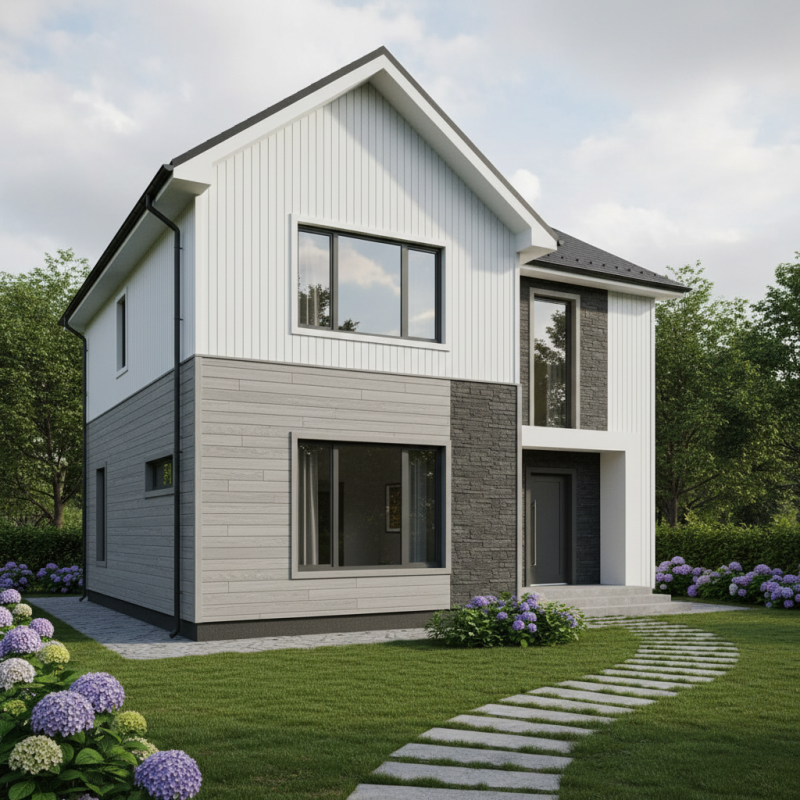
When evaluating different types of PVC cladding for exteriors, consider the material and texture. PVC cladding comes in various styles and finishes, from wood-like textures to smooth surfaces. Each option provides a unique aesthetic that can complement different architectural designs. Look for cladding that aligns with your vision while also considering practicality.
Durability is a crucial factor. High-quality PVC cladding resists weathering and does not warp or fade easily. Some homeowners prefer thicker panels for better insulation and strength. Others may want a lightweight option for simpler installation. Reflect on your climate and location when making this choice. Think about whether your cladding will withstand harsh conditions like heavy rain or intense sunlight.
Another point to consider is maintenance. Some cladding requires more care than others. Regular cleaning may be needed to avoid mold and mildew growth. However, certain products can offer low maintenance, saving time and effort. It’s essential to weigh these aspects and determine what works best for your lifestyle.
Comparison of Different Types of PVC Cladding for Exteriors
Key Factors to Consider When Choosing PVC Cladding
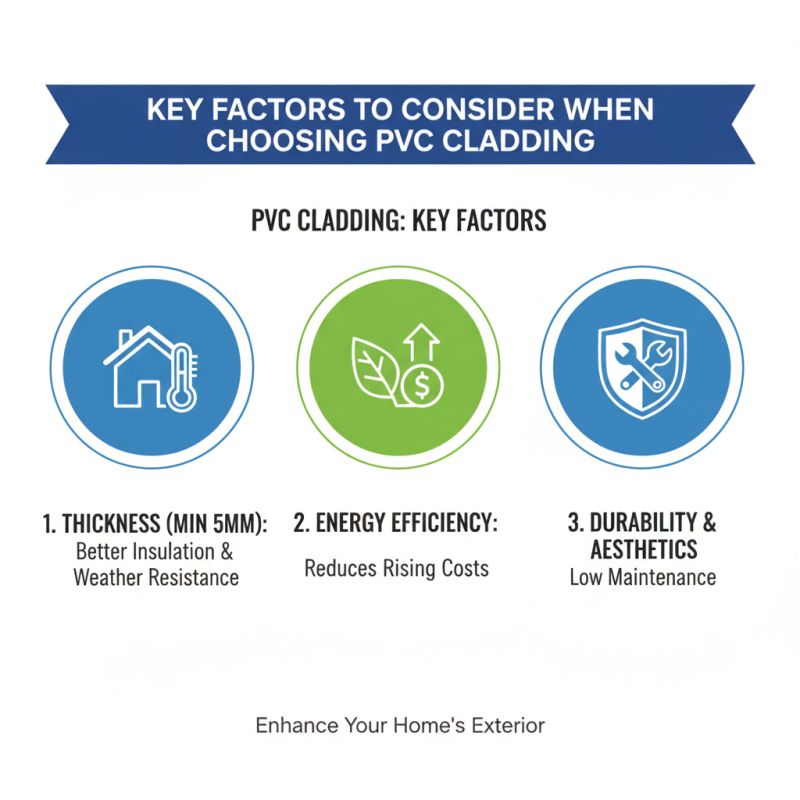
Choosing the right PVC cladding for your exterior can significantly impact durability, aesthetics, and maintenance. One key factor is the thickness of the panels. Reports indicate that thicker cladding tends to offer better insulation and resistance to harsh weather. Look for options that have a minimum thickness of 5mm. This measure can help enhance energy efficiency, which is crucial as energy costs continue to rise.
Another important consideration is UV resistance. PVC cladding can fade over time due to sun exposure. Opt for products that provide long-term UV protection to maintain color integrity. The average lifespan of quality PVC cladding can exceed 25 years, but only if it is UV-stable. Additionally, ensure that the panels are easily cleanable. A simple wash with soap and water can preserve their appearance. Some lower-quality options may stain or become discolored, leading to extra maintenance efforts.
When evaluating designs, consider your home’s architecture. Popular textures and colors can influence visual appeal. Statistics reveal that homes with well-chosen exterior cladding can see up to a 10% increase in property value. However, some designs may clash with specific styles, causing inconsistency. Therefore, consulting with a professional can provide valuable insight on the best choices, ultimately saving time and money in the long run.
Comparing Cost and Durability of Various PVC Cladding Options
When selecting PVC cladding for your exterior, cost and durability are crucial factors. According to a recent industry report by the National Association of Home Builders, standard PVC cladding can cost between $3 to $7 per square foot, depending on thickness and finish. The initial investment can seem steep, but the longevity of these materials often justifies the expense. High-quality PVC options can last over 30 years, significantly reducing long-term maintenance and replacement costs.
Durability is equally vital. Study findings indicate that PVC cladding can withstand extreme weather conditions, from heavy rains to intense sunlight. Unlike wood, it does not rot, warp, or fade. However, not all PVC products are created equal. Lower-grade options may compromise performance, leading to fading and cracking over time. It is essential to assess the manufacturer's specifications and opt for products with a warranty of at least 20 years to ensure reliability.
Moreover, installation methods can impact the overall lifespan of the cladding. Improper installation can lead to gaps or vulnerabilities, which may exacerbate wear and tear. Homeowners often overlook this aspect, assuming all installers are skilled. Conducting thorough research before installation can prevent costly mistakes. A well-informed choice balances cost with the assurance of high durability, leading to a successful outcome.
Installation and Maintenance Tips for PVC Cladding
When installing PVC cladding, proper preparation is crucial. Check the surface where you will attach the cladding. Ensure it is clean and dry to promote good adhesion. Consider using a leveler to maintain an even surface. If walls are uneven, you may need additional materials to create a flat base.
During installation, always follow the manufacturer's guidelines. Use a quality adhesive or fasteners recommended for PVC materials. Apply the cladding from the bottom up, which helps avoid water accumulation at seams. Remember, cutting pieces accurately saves time. Ensure you use the right tools for a smooth finish.
Maintenance is relatively straightforward. Regular cleaning with mild soap and water keeps the cladding looking new. Inspect it for damage at least twice a year. Look for fading, cracks, or signs of mold. Addressing these issues promptly can extend the lifespan of your cladding. Missing a small crack can lead to bigger problems later. Consistent upkeep is key to maximizing your investment.
How to Choose the Best PVC Cladding for Your Exterior? - Installation and Maintenance Tips for PVC Cladding
| Dimension |
Description |
Maintenance Tips |
Installation Considerations |
| Thickness |
Ranges from 4mm to 12mm, affecting durability and insulation. |
Clean regularly with mild soap and water to remove dirt. |
Ensure proper backing is used for stability during installation. |
| Color Options |
Available in various colors to suit aesthetic preferences. |
Choose UV-resistant colors to minimize fading. |
Consider a color that complements existing architecture. |
| Surface Texture |
Textures include smooth, wood grain, and ribbed finishes. |
Avoid abrasive cleaners to maintain texture quality. |
Check for proper sealing on textured finishes when installed. |
| Fire Rating |
Fire-retardant options available for increased safety. |
Inspect regularly for any signs of heat damage, especially in sunny areas. |
Follow installation guidelines for fire-rated materials carefully. |
| Warranty |
Warranties can range from 10 to 50 years, depending on the manufacturer. |
Keep records and perform maintenance as required by warranty. |
Make sure installation complies with warranty conditions. |