How to Choose the Best PVC Cladding for Exterior Use?
Selecting the right PVC cladding exterior can greatly enhance your home’s appearance and durability. Renowned industry expert, John Schmidt, emphasizes, “Quality PVC cladding can transform a façade while providing lasting protection.” Understanding what factors to consider is crucial in making this decision.
PVC cladding offers a range of benefits, including resistance to weathering and low maintenance. However, not all products are created equal. You may find cheaper options that compromise on quality. This could lead to long-term issues, such as fading or warping. Choosing wisely is essential.
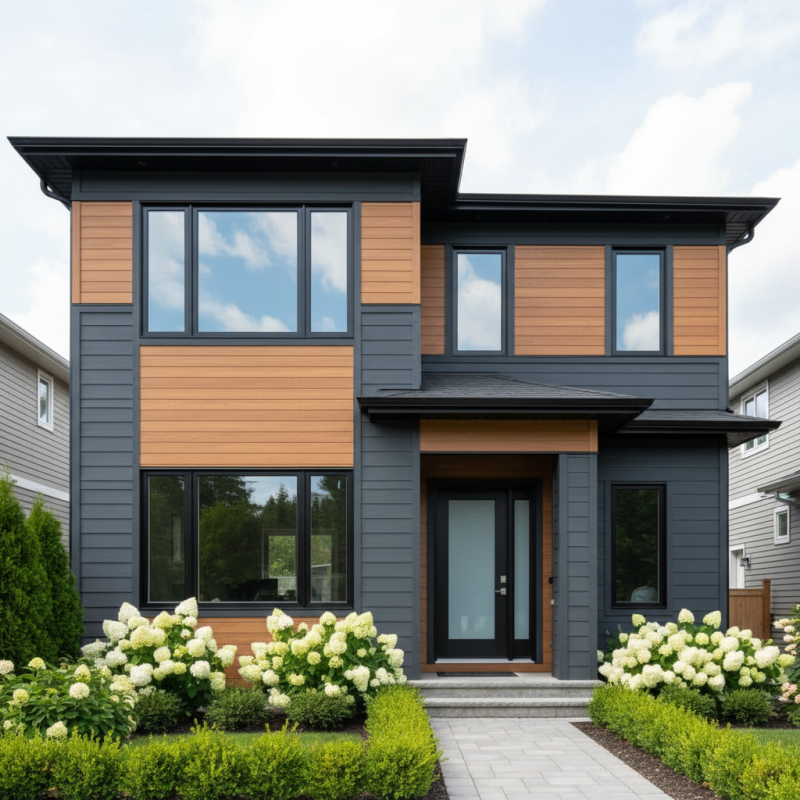
Consider the aesthetic appeal along with functionality. Different styles and colors are available, allowing you to personalize your space. Remember, investing in high-quality PVC cladding exterior can save you money over time. Reflect on your choices carefully, as it impacts the longevity and appearance of your home.
Benefits of Using PVC Cladding for Exterior Applications
When considering exterior applications, PVC cladding offers numerous benefits. It is durable and resistant to harsh weather conditions, making it ideal for outdoor use. PVC cladding does not rot, warp, or crack easily, ensuring that your home remains attractive for years.
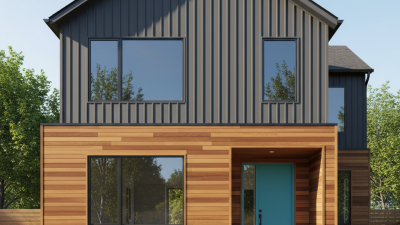
One significant advantage of PVC cladding is its low maintenance requirement. Unlike wood, it doesn't need regular painting or treatment. This saves time and money. Additionally, it is lightweight, which can lead to easier installation. The variety of colors and finishes means that you can achieve a look that complements your home’s architecture.
Tips for choosing PVC cladding: Look for products with UV resistance to prevent fading. Quality is crucial; lesser materials may not endure as well. Explore options that mimic natural wood grain for a warm look. Always consider potential installation costs and the long-term durability of the material. Remember, while PVC is strong, selecting the right thickness is essential for performance. This will impact insulation value as well.
Benefits of Using PVC Cladding for Exterior Applications
Types of PVC Cladding Available for Outdoor Use
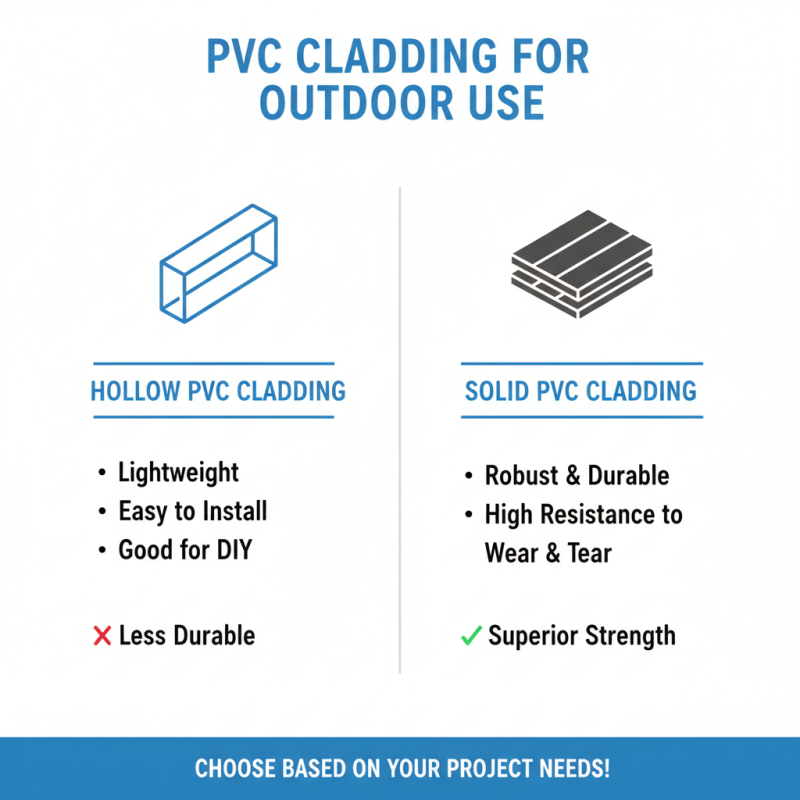
When it comes to PVC cladding for outdoor spaces, several types are available. Each type has unique features that cater to different needs and preferences. One popular option is hollow PVC cladding. It's lightweight and easy to install, making it suitable for DIY projects. However, it may lack the durability of solid options. If you're looking for something robust, solid PVC cladding can be a better choice. It typically offers higher resistance to wear and tear.
Another variant is foam-backed PVC cladding. This type provides excellent insulation and is ideal for areas with extreme weather conditions. While it may be slightly more expensive, the energy savings in heating and cooling can justify the investment over time. Wood-grain PVC cladding mimics the look of natural wood while offering the benefits of plastic. Its aesthetic appeal is undeniable, yet it may require more periodic maintenance to maintain its appearance.
It’s essential to consider the installation process as well. Some cladding requires professional installation, which adds to your overall cost. Others are designed for easy setup, but might sacrifice some durability. Evaluating your specific requirements will help you select the ideal PVC cladding for your outdoor project.
Key Factors to Consider When Selecting PVC Cladding
Selecting the best PVC cladding for exterior use requires careful consideration of several key factors. Start with the thickness. Thicker cladding typically offers better durability and insulation. Look for panels that are at least 5mm thick. This will ensure they withstand harsh weather and impacts.
Color and texture are also important. Different finishes can affect the look of your home. Glossy finishes may require more maintenance than matte ones. Consider the climate in your area. Darker colors absorb heat, which might not be ideal in warmer regions. Additionally, check fire ratings and UV resistance to ensure long-lasting performance.
Lastly, consider installation ease. Some PVC cladding is designed for DIY projects, which can save money. However, professional installation might be worth the cost for complex designs. Always research the installation process specific to the product. Reflecting on these factors can enhance both the functionality and aesthetic of your space.
Installation and Maintenance Tips for PVC Cladding
When it comes to installing PVC cladding, proper preparation is essential. Start by ensuring your surface is clean and dry. Remove any old cladding or debris. Ensure you have the right tools: a measuring tape, a utility knife, and screws. Take your time to measure accurately; even small errors can lead to significant issues later.
During installation, always follow the manufacturer's guidelines. Consider weather fluctuations when choosing your fastening method. Spaces should be left for expansion. This will prevent buckling in hot weather. Use caulk to seal joints, enhancing durability and aesthetics.
For maintenance, regular cleaning is crucial. A simple wash with soap and water will suffice. Check for signs of wear or damage at least once a year. Treat any issues promptly to avoid more extensive repairs. Remember, while PVC is resilient, neglect can lead to serious deterioration. Consider these factors to extend the lifespan of your cladding.
Comparing PVC Cladding to Alternative Exterior Materials
When choosing exterior materials, PVC cladding stands out for its durability and low maintenance. Unlike wood, it doesn’t warp or rot over time. Compared to metal, PVC is lighter and easier to install. It can withstand harsh weather, making it a reliable choice for various climates.
Tips for choosing the best PVC cladding include investigating the thickness. Thicker panels offer better durability and insulation. Look for color selections that will enhance your property's appeal. Dark colors may fade faster, while lighter shades can reflect heat.
Consider the environmental impact as well. Some PVC products are recyclable and have a lower carbon footprint than alternatives like composite or treated wood. Remember, each option has its pros and cons. Reflecting on the long-term implications and maintenance requirements is vital for sustainability.