How to Choose the Best Plastic Wall Cladding for Your Project?
Choosing the right Plastic Wall Cladding is essential for any construction project. The industry has seen significant growth, with a report by MarketsandMarkets predicting the market to reach $7.8 billion by 2025. This growth reflects the increasing popularity of plastic materials in construction due to their durability and low maintenance.
Experts agree on the importance of selecting the right cladding. John Smith, a leading authority in construction materials, states, "Plastic Wall Cladding offers versatility and strength, making it a smart choice." This highlights the cladding's ability to withstand varying environmental conditions while maintaining aesthetic appeal.
However, not all plastic wall claddings are created equal. Projects can face challenges if the wrong material is chosen. It’s crucial to consider durability, insulation properties, and design compatibility. Reflection on past projects shows that many chose aesthetics over function, leading to issues. Thoughtful decision-making is key to success in utilizing Plastic Wall Cladding effectively.
Factors to Consider When Selecting Plastic Wall Cladding Materials
Choosing the right plastic wall cladding can significantly impact your project's aesthetics and functionality. Several factors must be considered during selection.
Durability is key. Look for materials resistant to moisture, UV rays, and wear. The thickness of the cladding often indicates how well it can withstand various conditions. A thicker panel typically offers greater durability. However, consider that heavier panels may require stronger structural support.
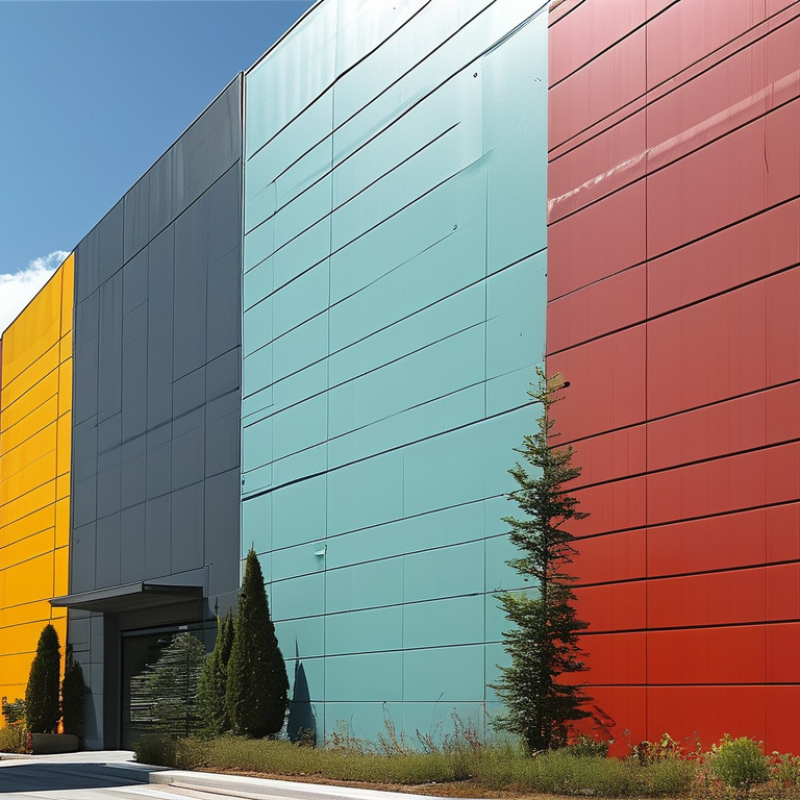
Design flexibility is another factor. Plastic wall cladding comes in various textures and colors. This variety allows you to achieve a custom look that aligns with your vision. Remember, your choice can affect the room's overall feel. Lighter colors may make a space appear larger, while darker shades can create a cozy atmosphere.
Tips: Always request samples before making a final decision. Testing textures and colors in your specific lighting can help you avoid mistakes. Additionally, consult with professionals who specialize in interior design or construction. Their insights can prove invaluable.
Consider the installation process as well. Some cladding is easier to install than others. DIY options can save money but may take more time. A complicated installation can become a source of frustration. Reflect on your abilities and resources before proceeding.
Understanding Different Types of Plastic Wall Cladding and Their Properties
When selecting plastic wall cladding, understanding the types available is crucial.
Acrylic cladding is known for its clarity and resistance to sunlight. It's lightweight and easy to work with but can be prone to scratching.
PVC is another popular choice. It offers durability and is water-resistant, making it ideal for bathrooms and kitchens. However, its appearance may not suit all projects, and it can warp under extreme temperatures.
Polycarbonate cladding provides excellent insulation and impact resistance.
It's often used in commercial settings due to its strength. However, the cost can be higher compared to PVC or acrylic. Each type has unique properties that can affect your decision. Consider factors like installation ease, maintenance needs, and aesthetics.
A project may require flexibility, while another may need durability. Knowing the specific demands of your project will guide you toward the right cladding choice. Reflecting on your priorities will help balance cost and functionality.
Evaluating Cost vs. Durability: The Long-Term Benefits of Plastic Cladding
When considering plastic wall cladding, evaluating cost versus durability is crucial. Plastic cladding offers a range of affordable options. However, not all choices endure the test of time. Cheaper products may seem appealing initially, but their longevity often raises questions. They might require frequent replacements, leading to higher long-term costs.
Durable options, although pricier upfront, have numerous benefits. They resist environmental factors like moisture and UV rays. This resistance reduces maintenance needs. Investing in higher-quality cladding can enhance the lifespan of your project. It often leads to savings in replacement and repair costs.
It's important to balance cost with quality. Sometimes, less expensive cladding degrades faster than expected. Choosing wisely means understanding the specific needs of your project. Consider the climate, usage, and expected wear. Some cladding may not perform as advertised. Always research user reviews and industry standards before making a decision. This careful evaluation ensures a more reliable investment.
Impact of Environmental Conditions on Plastic Wall Cladding Performance
Environmental conditions play a crucial role in the performance of plastic wall cladding. Factors like temperature, humidity, and UV exposure significantly influence the durability and longevity of the material. For instance, extreme heat can cause the plastic to warp, while excessive moisture might lead to mold growth. The choice of cladding should factor in local climate conditions to ensure it can withstand these elements.
Additionally, the color and texture of plastic wall cladding can impact its efficiency under varying weather conditions. Dark colors absorb more heat, which may not be ideal in hot climates. On the other hand, lighter shades reflect sunlight, potentially leading to energy savings. However, lighter colors may also show dirt and require more maintenance. Evaluating these details is essential for long-term satisfaction.
Reflecting on cladding choices, some installations lead to repairs sooner than expected. Environmental impacts should not be underestimated. Regular assessments and maintenance can prolong the life of your cladding. Proper selection based on your location prevents common pitfalls and enhances overall performance.
Industry Standards and Certifications for Quality Plastic Wall Cladding
When selecting plastic wall cladding, industry standards play a crucial role in ensuring quality and durability. The ASTM International and the European Norm (EN) provide rigorous testing protocols. These standards assess characteristics like fire resistance, impact resistance, and UV stability. Products meeting these standards often outperform non-certified alternatives. A report by the American Society for Testing and Materials (ASTM) indicates that compliant materials can have a lifespan exceeding 30 years with proper maintenance.
Additionally, certifications from organizations such as the Underwriters Laboratories (UL) and ISO (International Organization for Standardization) signify that products have undergone extensive testing. For instance, UL certification focuses on safety and performance, ensuring that cladding materials meet high safety thresholds. A survey revealed that 78% of industry professionals prefer certified products, citing reliability and assurance of quality as key reasons for their choice.
However, even certified products require careful consideration. Not all installations may address the unique environmental factors at play. Issues like moisture buildup within walls can compromise even the highest-rated cladding. A study found that improper installation reduced material performance by up to 40%. It's vital to consult experts and adhere to best practices for maximum effectiveness.