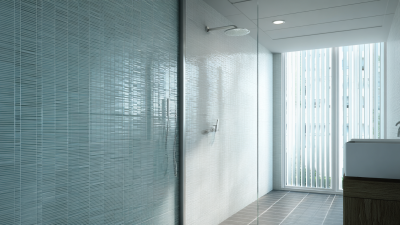
What is PVC Wall Cladding and How is it Used in Modern Construction?
PVC Wall Cladding has emerged as a popular choice in modern construction due to its practical benefits and aesthetic appeal. According to a recent market report, the global PVC wall panel market is projected to reach USD 41.6 billion by 2026, growing at a CAGR of 6.5%. This growth reflects the increasing demand for durable and low-maintenance building materials.
Architects and builders appreciate PVC for its lightweight nature and versatility. Unlike traditional materials, PVC Wall Cladding offers excellent resistance to moisture and pests. This makes it ideal for both interior and exterior applications. Moreover, advancements in manufacturing technology have led to more realistic finishes, enabling it to mimic wood or stone.
However, reliance on PVC wall cladding is not without challenges. The environmental impact of PVC production has raised concerns in the building industry. Sustainable alternatives might be needed in the future. As the construction landscape evolves, balancing performance and sustainability will be key when considering materials like PVC Wall Cladding.
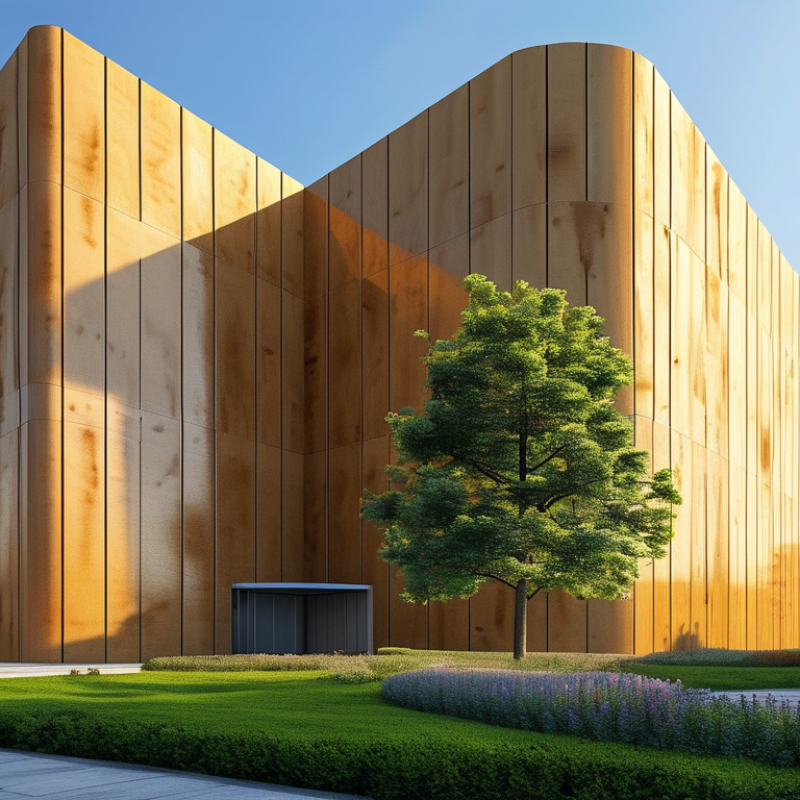
What is PVC Wall Cladding?
PVC wall cladding is a versatile building material widely used in modern construction. It is made from polyvinyl chloride, a type of plastic that is durable and resistant to moisture. According to recent industry reports, the global market for PVC cladding is projected to grow at a compound annual growth rate (CAGR) of 5.4% from 2021 to 2028. This growth is driven by its various applications in residential and commercial buildings.
PVC wall cladding offers several advantages. It is lightweight yet strong, making it easy to install. The material can mimic the appearance of wood or stone, providing aesthetic appeal without the maintenance. In addition, it is resistant to fading, which is crucial for long-lasting color retention. Recent studies show that around 70% of builders prefer PVC for its cost-effectiveness and longevity.
Tips: When selecting PVC cladding, consider its fire rating. Some products may not meet safety standards. Always check for certification and ensure the material complies with local building codes. It's essential to also evaluate its environmental impact, as PVC can contribute to waste if not recycled properly.
Key Features and Benefits of PVC Wall Cladding
PVC wall cladding is increasingly popular in modern construction. Its lightweight nature allows for easy installation. Reports indicate that the global PVC wall cladding market is expected to grow by over 6% annually through 2025. This demand highlights its appeal in residential and commercial projects.
One of the key benefits of PVC wall cladding is its resistance to moisture and pests. Unlike traditional wood, PVC does not rot or warp. This feature proves beneficial in areas prone to high humidity. Additionally, PVC cladding is available in various designs, offering aesthetic versatility. Studies show that over 70% of architects prefer materials like PVC for their sustainability.
Cost-effectiveness is another appealing aspect of PVC wall cladding. Installation can save labor costs and time compared to other materials. Maintenance is minimal, requiring only occasional cleaning. However, the environmental impact of PVC production is a concern. Refinements in manufacturing processes are needed to improve sustainability. These factors indicate a mixed approach to its use in construction.
Common Applications of PVC Wall Cladding in Modern Construction
PVC wall cladding has gained significant traction in modern construction, particularly for its versatility and durability. It is often used in residential and commercial settings, providing an aesthetic finish that is both moisture-resistant and easy to maintain. According to a 2022 market research report, the global PVC cladding market is projected to grow by 4.5% annually, reflecting its increasing popularity in various applications.
In interior settings, PVC wall cladding is commonly applied in moisture-prone areas such as kitchens and bathrooms. Its non-porous surface prevents mold growth and stains, making it a practical choice for high-traffic environments. In commercial spaces, the material serves not only as a decorative feature but also enhances thermal insulation. Recent data highlights that buildings employing PVC cladding can see energy savings of up to 20% due to improved insulation properties.
However, despite its advantages, there are considerations to reflect upon. The environmental impact of PVC production raises concerns. Proper disposal and recycling practices are critical. Some professionals in the construction industry argue that while PVC offers short-term benefits, they question its long-term sustainability compared to natural materials. Balancing performance with environmental responsibility remains a topic worth exploring further.
What is PVC Wall Cladding and How is it Used in Modern Construction?
| Application Area |
Benefits |
Installation Method |
Durability |
Maintenance Requirements |
| Residential Interiors |
Aesthetic appeal, moisture resistance |
Glue or snap-lock system |
10-30 years |
Low; just wipe down |
| Commercial Spaces |
Cost-effective, easy to clean |
Paneling with clips or adhesive |
15-25 years |
Minimal; regular cleaning |
| Hospitals and Clinics |
Hygienic, antibacterial properties |
Seamless sheets installation |
20-30 years |
Very low; sanitized frequently |
| Food Processing Areas |
Chemical resistance, durable |
Wall panels with thermal insulation |
15-20 years |
Regular cleaning; resistant |
| Public Restrooms |
Waterproof, easy maintenance |
Panel installation with adhesive |
10-15 years |
Low; frequent cleaning |
Installation Process of PVC Wall Cladding
PVC wall cladding has gained popularity in modern construction due to its durability and aesthetics. The installation process is straightforward but requires attention to detail. Preparing the wall surface is the first step. It must be clean and dry to ensure proper adhesion. Any imperfections should be addressed before proceeding.
Once the surface is ready, the PVC panels can be cut to size. A fine-tooth saw works best for clean edges. Each panel should be checked for fit before securing it in place. Using adhesive or screws, the panels are attached starting from one corner. It’s important to install each panel level, as any misalignment can lead to an uneven appearance. Regularly stepping back to view the progress can help catch mistakes early.
After installation, finishing touches are necessary. Sealing the edges prevents moisture penetration, an essential step for longevity. Some users overlook this detail, which may lead to issues later. While the process seems simple, patience and precision are key. Rushing can result in an unsatisfactory finish. Taking the time to ensure quality will lead to a more professional outcome.
Maintenance and Durability of PVC Wall Cladding
PVC wall cladding has gained popularity in modern construction due to its numerous advantages. However, maintenance and durability are key factors to consider. While PVC is resistant to moisture and pests, its longevity can vary based on environmental conditions and installation quality. Regular inspections are essential to identify wear and tear.
Cleaning PVC cladding is straightforward. A simple wipe-down with soap and water can keep it looking fresh. However, over time, UV exposure may lead to fading. Some users report that certain areas show discoloration faster than others, reflecting inconsistency in materials. Additionally, although resistant, scratches and dents can appear, especially in high-traffic areas.
Proper installation plays a vital role in durability. Even the best materials can fail if poorly applied. Inadequate sealing or improper alignment may result in water seepage. This can lead to mold or structural issues. So, it’s crucial for builders to be diligent. Willingness to invest time in quality control and routine maintenance can extend the lifespan of PVC wall cladding.
PVC Wall Cladding Maintenance and Durability Analysis