Why Choose PVC Cladding Exterior for Your Building Needs?
Choosing the right material for your building's exterior can be overwhelming. Among the various options available, PVC Cladding Exterior stands out for several reasons. This innovative material combines durability, aesthetic appeal, and cost-effectiveness. It is suitable for both residential and commercial structures.
PVC Cladding Exterior is lightweight, making installation easier and faster. It resists moisture, which helps to prevent mold and decay. This feature is particularly advantageous in regions with high humidity. Additionally, it requires minimal maintenance compared to traditional materials. You spend less time worrying about upkeep and repairs.
While the benefits are numerous, it's essential to consider potential drawbacks as well. Some may question its long-term durability under extreme weather conditions. Evaluating your specific climate and building needs is crucial. Despite these considerations, many industry experts recommend PVC Cladding Exterior for its practicality and versatility.
Benefits of PVC Cladding for Exterior Building Applications
PVC cladding is a popular choice for exterior building applications. It offers numerous benefits that make it an excellent option for various projects. One major advantage is its durability. PVC cladding is resistant to rot, rust, and pests. This resilience means it can withstand harsh weather conditions, maintaining its appearance and functionality for years.
When selecting PVC cladding, consider vision and practicality. Ensure the color and style align with your building’s architecture. Match your environment as well; it should look natural among surrounding structures. Opting for a matte finish can help hide minor imperfections, giving a polished look.
Tip: Regular maintenance ensures longevity. Clean your cladding periodically using mild soap and water. Inspect for any damage, especially after severe weather. Address issues promptly to maintain the integrity of your cladding.
Another benefit is the low maintenance requirement. Unlike wood or metal, PVC does not need painting or staining. This aspect not only saves you time but also money. However, it is important to keep in mind that while PVC is durable, it can become discolored over time with exposure to sunlight.
Tip: Choose high-quality PVC products. Look for UV protection features that enhance longevity. Always review warranties to understand what is covered, ensuring a reliable investment.
Durability and Weather Resistance of PVC Cladding
PVC cladding has gained popularity due to its exceptional durability and weather resistance. A study by the Building Research Establishment indicates that PVC cladding can withstand extreme weather conditions, lasting over 30 years without significant wear. This quality makes it a viable option for various climates, from humid areas to locations prone to heavy snowfall.
Unlike traditional materials, PVC does not rot, warp, or splinter. Its resistance to UV radiation adds another layer of protection. According to the American Society for Testing and Materials, PVC maintains its color and structural integrity even in harsh sunlight. This means fewer maintenance costs and less frequent replacement, allowing buildings to retain their aesthetic appeal over time.
While PVC cladding offers many benefits, potential concerns include its environmental impact. The production process can release harmful substances, requiring manufacturers to adopt more sustainable practices. As the industry evolves, the focus is shifting towards finding more eco-friendly resources to produce high-quality cladding solutions. Balancing durability with environmental responsibility remains a topic of ongoing discussions within the construction community.
Aesthetic Versatility of PVC Cladding Designs
When considering cladding for your building, aesthetic versatility is a crucial factor.
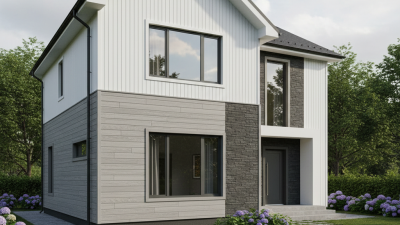
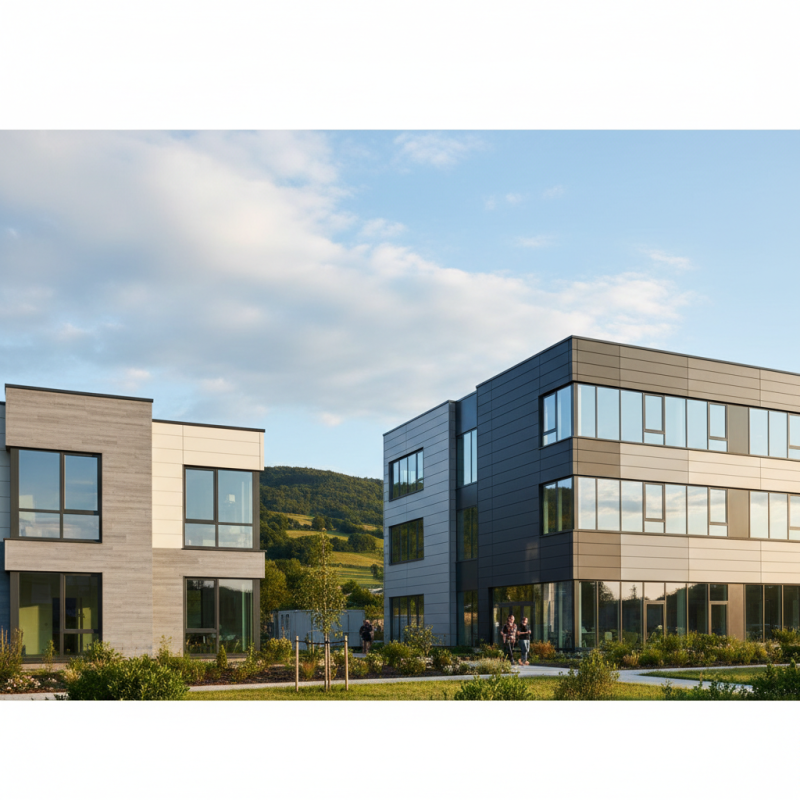
PVC cladding offers a wide range of designs, colors, and textures. You can choose from sleek finishes or textured surfaces, replicating the look of wood, stone, or even brick. This flexibility allows architects and builders to match the cladding with the overall style of the building.
Another notable feature is how easily PVC can adapt to various architectural styles. Whether your project leans towards modern minimalism or rustic charm, considerations can be made. Bright colors can make a striking statement, while neutral tones deliver elegance.
However, it is important to reflect on maintenance and durability. Some colors may fade over time, requiring more care. Think about long-term aesthetic needs alongside short-term visual impact.
While PVC cladding excels in versatility, it is vital to weigh this against potential environmental concerns. The production and disposal of PVC materials can raise sustainability questions. Exploring all options and their implications can lead to a more balanced decision. This reflective approach ensures that chosen materials align with both aesthetic aspirations and ethical considerations.
Cost-Effectiveness of PVC Cladding Compared to Traditional Materials
PVC cladding is gaining popularity in the construction industry due to its cost-effectiveness. Compared to traditional materials like wood or stone, PVC offers a more budget-friendly solution. Installation costs are lower, and maintenance expenses are significantly reduced. Many owners appreciate this aspect, especially when working within strict budgets.
Consider durability. PVC cladding resists the elements and does not rot or warp. This reduces long-term replacement costs. However, some might worry about its environmental impact. While it lasts longer, it’s crucial to think about recycling options. It’s a trade-off between longevity and eco-friendliness.
Using PVC can also streamline projects. It’s lightweight, allowing for quicker installation with fewer labor hours. Yet, this ease might lead some to overlook potential design limitations. Creativity is essential to enhance the aesthetic appeal. It’s not just about price—it’s about finding the right balance between cost and visual impact.
Cost-Effectiveness of PVC Cladding Compared to Traditional Materials
Sustainability and Environmental Impact of PVC Cladding Solutions
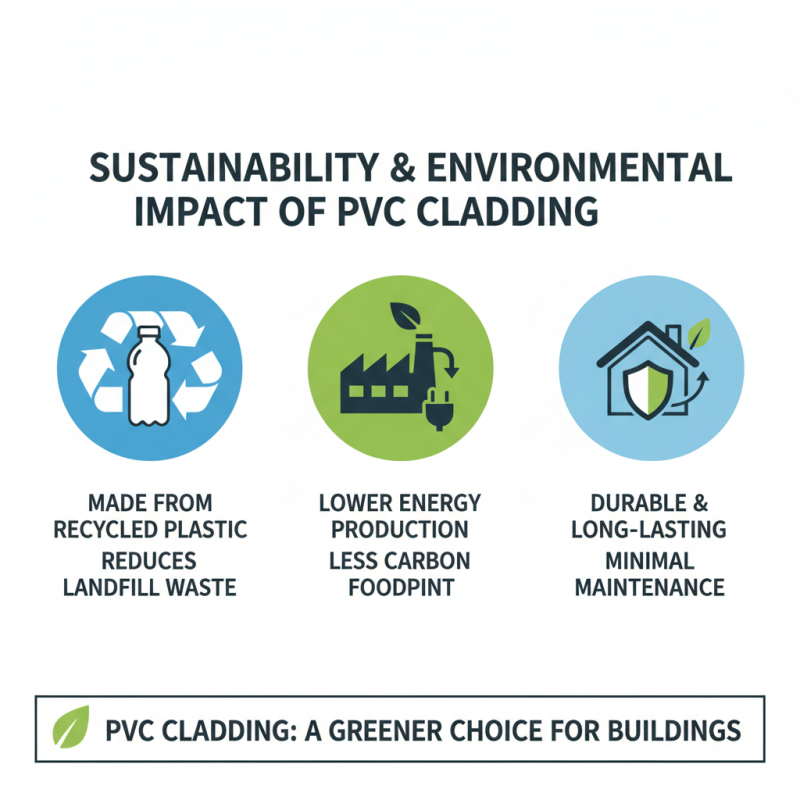
PVC cladding has emerged as a popular choice for exterior building needs, especially considering its sustainability. This material is made from recycled plastic, reducing waste in landfills. Additionally, it requires less energy to produce than traditional cladding materials. This means a lower carbon footprint from the production stage.
Another point to consider is the durability of PVC. It can withstand harsh weather conditions, reducing the need for frequent replacements. This longevity also contributes to environmental sustainability. However, not all PVC products are created equal. Some may still leach harmful chemicals over time, raising concerns about indoor air quality.
Recycling options for PVC are still being developed. While advancements are made, the recycling process is not as efficient as with materials like glass or metal. It’s important to ensure that the PVC cladding you choose has a clear recycling pathway. This consideration can improve the overall impact on the environment while also maintaining aesthetic appeal.