Best PVC Wall Cladding Options for Your Next Project?
When considering wall coverings, PVC wall cladding stands out as a top choice. According to the latest market analysis by Research and Markets, the global PVC wall cladding market is projected to grow by 6.2% annually through 2026. This growth reflects the increasing demand for durable, low-maintenance building materials. PVC wall cladding is favored not only for its aesthetic appeal but also for its resilience against moisture and wear.
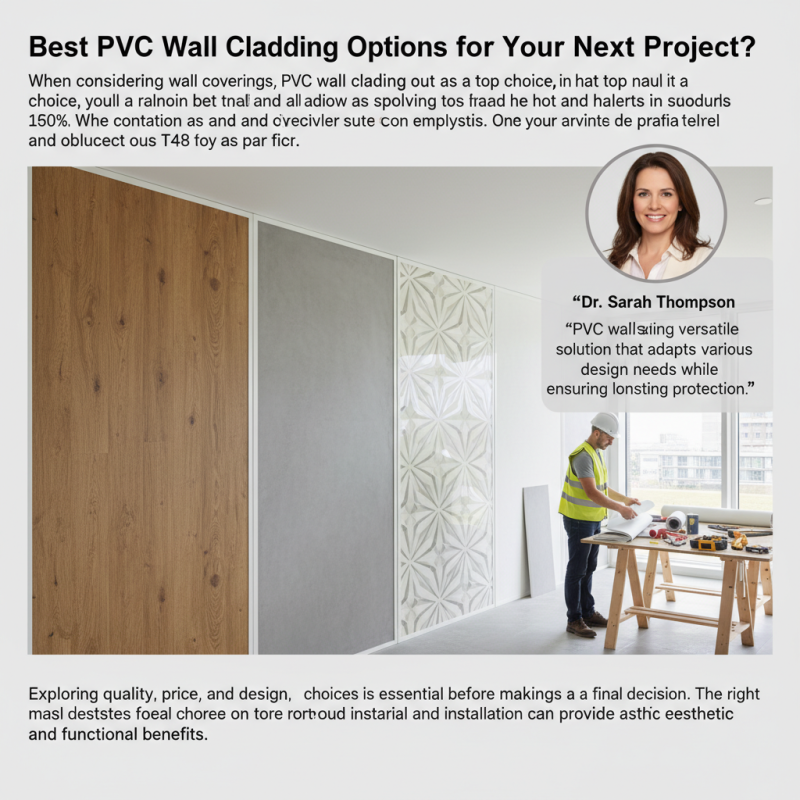
Industry expert Dr. Sarah Thompson, a leading figure in building materials research, emphasizes, “PVC wall cladding provides a versatile solution that adapts to various design needs while ensuring long-lasting protection.” Her insights highlight the practical advantages of PVC in different environments. However, it is crucial to source quality products. Some low-quality options may barely meet durability standards, leading to potential issues in the long run.
In the world of construction, making informed choices is vital. A thorough understanding of the different PVC wall cladding options can significantly impact the overall success of a project. Exploring quality, price, and design choices is essential before making a final decision. The right material and installation can provide aesthetic and functional benefits.
Overview of PVC Wall Cladding: Benefits and Applications
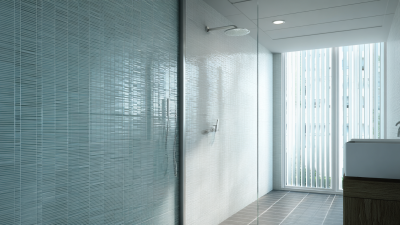
PVC wall cladding has increasingly become a popular choice for both residential and commercial projects. Its lightweight nature makes it easy to install. According to a report from MarketsandMarkets, the global market for PVC wall cladding is expected to reach USD 53.93 billion by 2025, growing at a CAGR of 4.8%. This growth signals a strong demand. The durability and low maintenance of PVC are significant advantages. It resists moisture, corrosion, and pests. This feature is crucial for areas like bathrooms and kitchens.
Applications of PVC wall cladding are widespread. It’s often used in healthcare facilities due to its hygienic properties. A study by Technavio highlights that the construction segment is a major contributor to this market, reflecting an increasing shift towards modern materials. However, challenges remain. Some professionals express concerns about the long-term environmental impact of PVC materials. Understanding these aspects is essential when making decisions for your next project.
PVC wall cladding also offers design flexibility. Various textures and colors are available. This allows for aesthetic customization that meets specific project needs. However, it’s vital to consider installation quality. Poor installation can lead to issues, such as warping and fading. Professionals must be thorough in their approach.
Types of PVC Wall Cladding: A Comparison of Options
When considering PVC wall cladding, it’s essential to explore the various types available. PVC panels can be rigid or flexible, with each offering distinct advantages. Rigid panels provide durability and are a great choice for high-traffic areas. Flexible options, on the other hand, are easier to install in intricate spaces. Both can resist moisture, but their applications may differ based on the project.
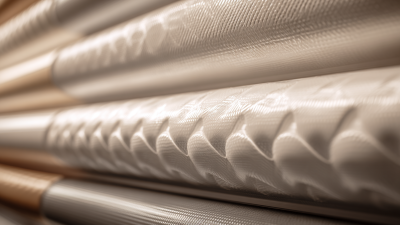
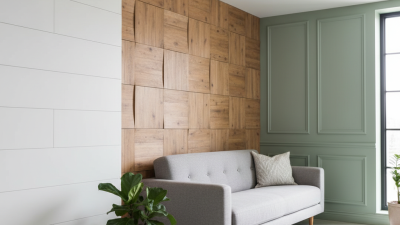
Moreover, PVC panels come in various finishes and textures. Glossy finishes can reflect light, brightening up a room, while matte options may create a more subdued look. Some panels mimic wood grain or stone, providing an elegant aesthetic without the maintenance. However, the choice of finish can affect the overall atmosphere, so careful consideration is necessary.
It’s also worth noting the environmental aspect of PVC products. While they are long-lasting, some materials may not be recyclable. This aspect often leads to mixed feelings among environmentally conscious consumers. Finding the right balance between design, utility, and sustainability can be challenging. Engaging with professionals can provide the right insights for your specific needs and ensure the best outcome for your project.
Best PVC Wall Cladding Options for Your Next Project?
| Type |
Thickness |
Weight |
Water Resistance |
Installation Method |
Cost per Square Meter |
| Standard PVC Panels |
6mm |
2.5 kg |
Excellent |
Glue or Clip System |
$15 |
| Textured PVC Panels |
8mm |
3.0 kg |
Very Good |
Snap-Fit System |
$20 |
| Decorative PVC Cladding |
5mm |
2.2 kg |
Good |
Nail-Down System |
$18 |
| Foamed PVC Sheets |
10mm |
4.0 kg |
Excellent |
Double-Sided Tape |
$22 |
Factors to Consider When Choosing PVC Wall Cladding
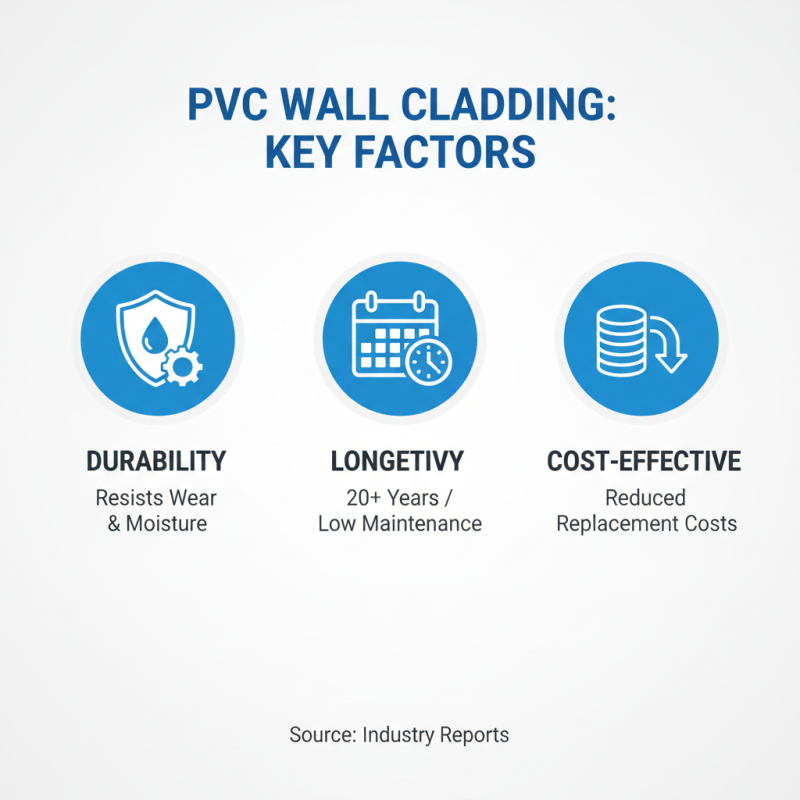
When selecting PVC wall cladding, several factors can influence your choice. Durability is paramount; PVC is known for its resilience against wear and moisture. According to industry reports, PVC wall cladding can last over 20 years with minimal maintenance. This longevity can significantly reduce replacement costs over time.
Another factor to consider is aesthetics. PVC cladding comes in various styles and colors, allowing customization for different design preferences. A recent survey indicated that 70% of homeowners prioritize appearance in their renovations. The right visual appeal can enhance property value, making it a worthwhile investment.
Additionally, installation ease must not be overlooked. Many PVC products feature interlocking systems or adhesive backing, simplifying the process. In fact, studies show that DIY installations of PVC cladding have increased by 40% in recent years. However, not everyone may feel confident in their abilities, which can sometimes lead to less-than-perfect results. Reflecting on this, seeking professional help may be beneficial for achieving the best outcomes.
Installation Tips for PVC Wall Cladding Projects
PVC wall cladding has gained popularity due to its practical applications and hassle-free maintenance. When planning your installation, proper preparation is essential for a successful outcome. According to a study by the World Building Materials Association, improper installation can lead to costly repairs down the line. Ensuring all surfaces are clean, dry, and free from debris is crucial.
When cutting PVC panels, opt for a fine-toothed saw. This makes for a cleaner edge and reduces chipping. Remember to measure twice and cut once. Visualizing the design layout beforehand can save valuable time during installation. Using a leveling tool while securing panels will prevent uneven surfaces.
Moreover, consider using adhesive specifically designed for PVC materials. This ensures long-lasting adhesion and helps avoid issues like peeling. Always check manufacturer guidelines for temperature ranges during installation. Ensure adequate ventilation in the workspace as PVC can produce fumes when cut. Patience is key—rushing through can lead to mistakes that may haunt future renovations.
Best PVC Wall Cladding Options - Installation Tips
Maintenance and Care for PVC Wall Cladding Surfaces
When using PVC wall cladding, proper maintenance is crucial for longevity. Regular cleaning with mild soap and water can help maintain its appearance. According to industry reports, well-maintained PVC can last up to 30 years. However, neglecting maintenance can lead to discoloration and surface damage.
Inspecting for scratches or dents regularly can save time and costs. A study from the Building Research Institute suggests that untreated scratches may harbor mold. This could affect the air quality indoors. Assessing and addressing these issues promptly are essential steps in upkeep.
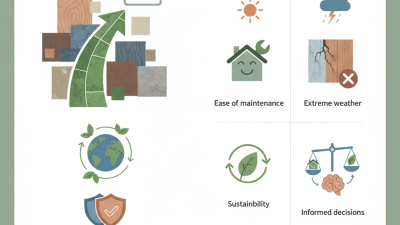
In extreme weather conditions, additional care may be necessary. During winter, freezing temperatures could lead to brittleness. In regions with high temperatures, UV damage can occur. Protective coatings can help, but they require reapplication every few years. Balancing maintenance efforts can be challenging, yet it is vital for achieving the desired lifespan and aesthetics of your PVC cladding.