Best Bathroom Ceiling Cladding Tips for Smart Buyers?
When it comes to Bathroom Ceiling Cladding, choosing the right materials and designs can transform a space. According to industry expert, Sarah Mitchell, "A well-cladded bathroom ceiling not only enhances aesthetics but also protects against moisture." This insight emphasizes the dual function of cladding in modern bathrooms.
Selecting the appropriate cladding means considering various factors, including moisture resistance and style. Options range from PVC panels to wood or tiles. Each material has its own strengths and weaknesses. For instance, while wood adds warmth, it may not withstand humidity as well as PVC.
Moreover, the installation process requires attention to detail. Proper sealing and fitting are crucial to avoid future issues like mold growth or peeling. It's essential to avoid rushing through the selection and installation process. Many buyers overlook these aspects. Therefore, investing time in research can lead to a more satisfactory outcome in your bathroom renovation.
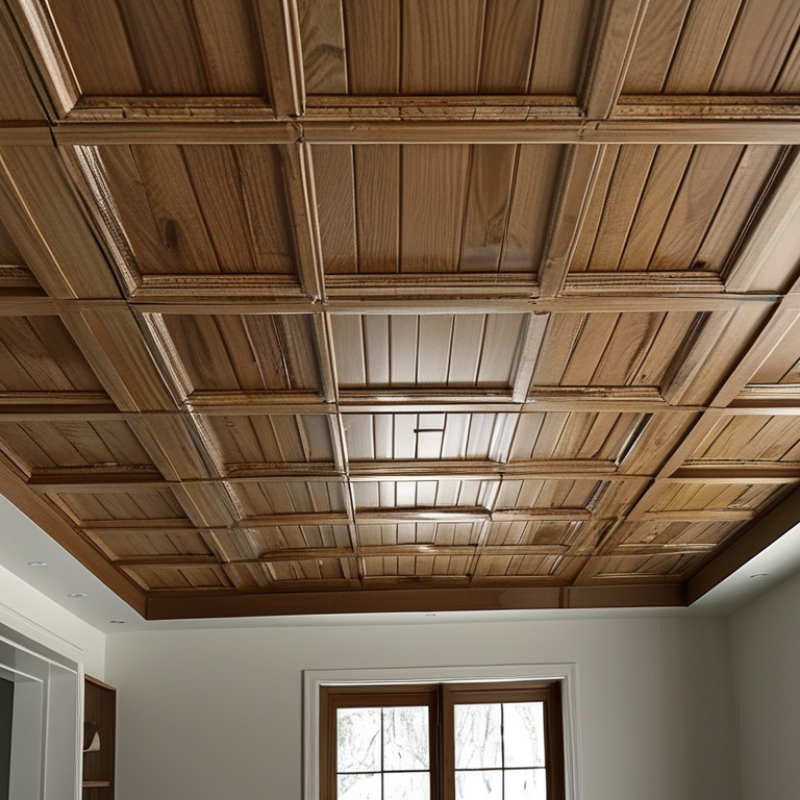
Best Materials for Bathroom Ceiling Cladding: A Comprehensive Guide
Choosing the right material for bathroom ceiling cladding is essential. It impacts both aesthetics and functionality. Some popular materials include PVC, wood, and drywall. PVC is moisture-resistant and easy to clean. It comes in various designs, allowing for creativity. Wooden ceilings offer warmth but require regular maintenance. They must be treated to withstand humidity.
Drywall can be a cost-effective option. It’s easy to install and provides a smooth finish. However, it is not water-resistant. Homeowners may need to consider additional waterproofing measures. This can add to the project’s overall cost and complexity.
Each material has its pros and cons. A thorough understanding of these factors is crucial. A well-chosen ceiling cladding enhances the bathroom's ambiance and extends its lifespan. Consider your budget and maintenance preferences. Balancing aesthetics with durability is key to making the right choice.
Cost Analysis: Budgeting for Bathroom Ceiling Cladding Options
When budgeting for bathroom ceiling cladding, consider various materials and their costs. Natural wood panels can enhance the space's aesthetic but often come with a higher price tag. PVC and vinyl options are more affordable and resistant to moisture, making them ideal for bathrooms. Prices vary widely; it's essential to gather quotes from suppliers.
Tips for selecting the right cladding material are crucial. Research the durability and maintenance requirements of each option. Some claddings need regular upkeep, while others are almost maintenance-free. Keep in mind installation costs can also impact your overall budget. Whether you do it yourself or hire professionals, factor this into your calculations.
Don’t forget the visual appeal. A cost-effective choice might not always yield the best look. Quality should match your design vision. Sometimes, a slightly higher investment pays off in aesthetics and longevity. Ultimately, making informed choices will enhance your bathroom, reflecting your personality and style.
Best Bathroom Ceiling Cladding Tips for Smart Buyers
| Cladding Type |
Material |
Cost per Square Foot |
Durability |
Water Resistance |
Installation Complexity |
| PVC Panels |
PVC |
$1.50 |
High |
Excellent |
Easy |
| Gypsum Board |
Gypsum |
$2.00 |
Moderate |
Good |
Moderate |
| Wood Paneling |
Wood |
$3.50 |
Low |
Fair |
Complex |
| Aluminum Panels |
Aluminum |
$2.50 |
High |
Excellent |
Easy |
| Fiberglass Panels |
Fiberglass |
$4.00 |
Very High |
Excellent |
Moderate |
Moisture Resistance: Choosing the Right Surface for Humid Environments
When selecting ceiling cladding for bathrooms, moisture resistance is crucial. A bathroom is a humid environment, which can damage some materials over time. Choosing the right surface not only protects your space but also enhances its appearance.
Look for materials specifically designed to handle moisture. PVC and vinyl offer great resistance to humidity. They are lightweight and easy to install. However, these materials can lose their appeal over time if not maintained properly. Wood cladding, while attractive, may require regular sealing to prevent mold growth. Finding a balance between aesthetics and functionality is key.
Consider your bathroom's ventilation as well. A well-ventilated space can reduce moisture buildup, enhancing the lifespan of your ceiling cladding. It's a common oversight to ignore air circulation when selecting materials. Be aware that even the best surfaces need maintenance. Regular inspections can help catch potential issues early.
Best Bathroom Ceiling Cladding Options for Moisture Resistance
Installation Techniques: DIY vs. Professional Help for Ceilings
When it comes to ceiling cladding in bathrooms, choosing between DIY installation and hiring professionals can be tricky. Many opt for the DIY route to save money. However, not everyone has the skills or tools needed for a flawless finish. Miscalculations can lead to gaps and uneven surfaces. Taking on this project without expertise can result in costly fixes down the line.
On the other hand, professional help guarantees quality. Experts are trained to handle all aspects of installation. They understand the nuances of moisture-resistant materials. Their experience helps avoid common pitfalls. However, this option comes with a higher price tag. It's essential to assess your budget and skills before making a decision. Weighing the risk of increased expenses against potential errors can clarify the best approach for your needs.
Maintenance Tips: Ensuring Longevity of Your Bathroom Ceiling Cladding
When it comes to maintaining bathroom ceiling cladding, a proactive approach is essential. Regular cleaning prevents mold accumulation, which can damage materials over time. According to a report by the American Society of Home Inspectors, nearly 60% of homeowners deal with mold issues in their bathrooms. This is a clear indicator of the importance of consistent upkeep.
One effective tip is to clean surfaces with vinegar or a mild detergent. These options are eco-friendly and help eliminate stains without causing harm. Aim to establish a cleaning routine every couple of weeks. Additionally, consider using a dehumidifier if your bathroom is prone to excess moisture. Keeping humidity levels below 50% can significantly reduce mold growth.
Another notable aspect is the material choice. Some cladding materials are more resistant to moisture than others. Certain composites can withstand rot for many years, but incorrect installation can undermine their durability. It’s crucial to follow installation guidelines closely. Proper ventilation also plays a key role. Ensure exhaust fans are functioning well to circulate air, reducing the chances of decay. Regular checks can identify issues before they escalate.