How to Choose the Best PVC Cladding for Your Exterior Needs?
Choosing the right PVC cladding exterior can transform your home. With so many options available, the decision process may seem overwhelming. As industry expert John Anderson states, "The right cladding not only enhances aesthetics but also ensures longevity and functionality."
Incorporating PVC cladding exterior into your design can drastically improve your home's curb appeal. This material is lightweight yet durable, perfect for withstanding harsh weather. However, selecting the wrong style or color could lead to a mismatch with your overall design. It's crucial to consider your home's architecture and neighborhood trends.
Understanding the attributes of different PVC cladding options is essential. Not all products offer the same benefits. Some may fade over time, while others might not withstand pests. Researching products and seeking expert advice can lead to a more informed, satisfying choice. Ultimately, the right cladding adds value and character to your exterior while requiring ongoing consideration for maintenance and compatibility.
Understanding the Benefits of PVC Cladding for Exteriors
PVC cladding is becoming increasingly popular for exterior applications. One of its key benefits is durability. Unlike wood, PVC withstands harsh weather, UV exposure, and pests. This means less maintenance and a longer lifespan. Homeowners can enjoy a beautiful exterior without the constant worry of fading or damage.
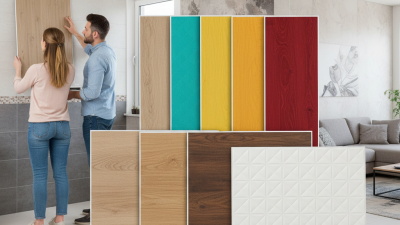
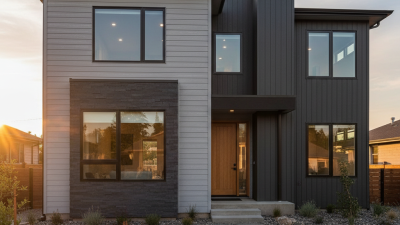
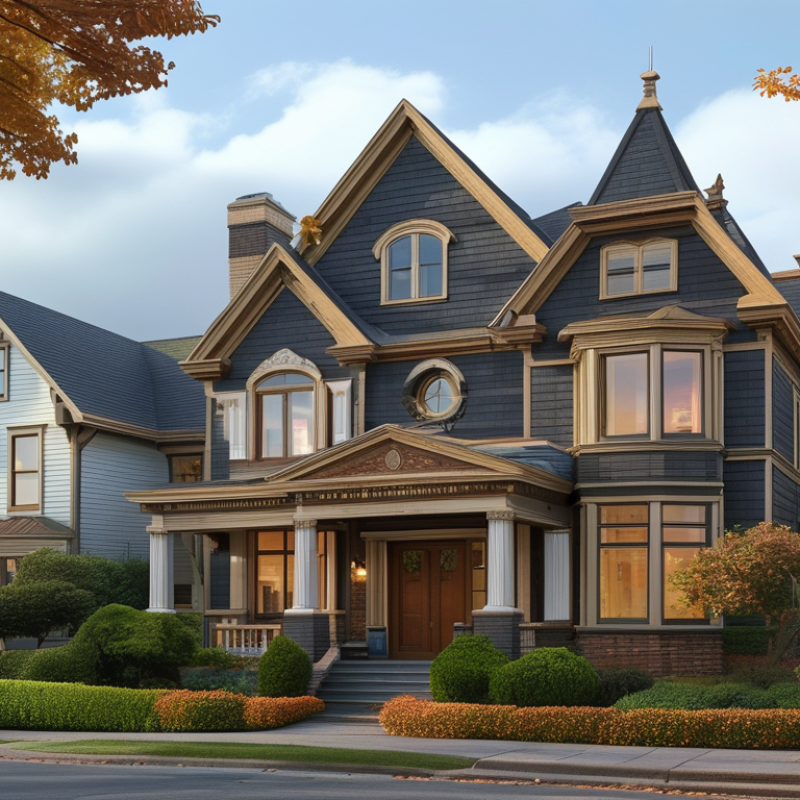
Another significant advantage is the variety of styles available. PVC cladding comes in multiple colors and finishes. This allows for creative architectural designs. A modern house can achieve a sleek look, while traditional styles can still shine. However, selecting the right style might seem overwhelming. Balancing aesthetics with functionality can be tricky.
Additionally, PVC cladding is eco-friendly. Many options are now made from recycled materials. This can help reduce your carbon footprint. But it’s essential to research the source of the materials to ensure true sustainability. Not all products labeled eco-friendly are created equal. This discrepancy may need deeper investigation. Being informed leads to better choices for both the home and the planet.
Types of PVC Cladding Available for Different Applications
When considering PVC cladding for your exterior, understanding the types available is crucial. PVC cladding comes in various forms, each catering to specific needs. The most common types include hollow boards, solid boards, and faux wood options.
Hollow boards are lightweight and cost-effective, making them ideal for large projects. Solid boards offer better durability and insulation, which is essential for energy efficiency.
Research indicates that the demand for PVC cladding in residential properties has risen by 25% over the last three years. Many homeowners seek low-maintenance solutions that withstand weather changes. Faux wood options mimic traditional timber but do not warp or crack, making them a popular choice. According to the PVC Cladding Association, over 60% of users report satisfaction with the aesthetic appeal and durability of their cladding choice.
However, selecting the right type is not always straightforward. The installation process can vary, leading to potential challenges. Budget constraints may also limit the options available. It's beneficial to consult with professionals who can provide insights tailored to your needs. Without proper guidance, homeowners might face issues related to product lifespan or aesthetic mismatch.
Understanding the nuances of PVC cladding helps in making a more informed decision for your exterior needs.
Key Factors to Consider When Choosing PVC Cladding
When selecting PVC cladding for your exterior needs, several important factors must be evaluated. One of the most critical considerations is durability. According to a 2022 industry report, high-quality PVC can withstand harsh weather conditions better than wood or other materials. It offers resistance against moisture, decay, and pests. This enhanced longevity is crucial for reducing maintenance costs over time.
Another factor to consider is insulation properties. A study from the Building Research Establishment found that PVC cladding can improve thermal insulation by up to 25%. This means a house with PVC cladding may require less energy for heating or cooling. Arguably, this energy efficiency can positively impact utility bills and your carbon footprint.
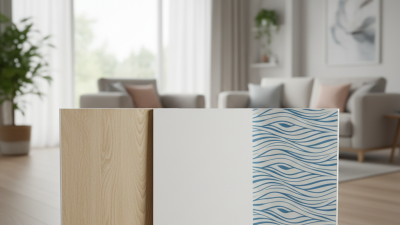
Aesthetic appeal also plays a significant role in your choice. Many homeowners want cladding that complements their design vision. The variety in colors and finishes can create unique looks. However, not all finishes resist fading equally, and this may require periodic repainting. Weighing these factors carefully can lead to a more informed decision.
Installation and Maintenance Tips for PVC Cladding
When selecting PVC cladding, installation plays a vital role. Ensure proper surface preparation. The wall should be clean, dry, and free from any debris. This helps the cladding adhere better and increases durability. Research by the Vinyl Siding Institute indicates that well-installed cladding can last over 30 years with minimal maintenance.
Choose the right fasteners. They should be rust-resistant and long enough to secure the cladding firmly. Misaligned or insufficient fasteners lead to warping and gaps. A survey revealed that improper installation is responsible for 40% of cladding failures. Additionally, ensure joints are correctly sealed to prevent moisture penetration.
Regular maintenance is crucial. Inspect the cladding for signs of fading or wear. Cleaning with mild soap and water keeps it looking fresh. Avoid harsh chemicals that can damage the surface. Data from industry studies shows that routine upkeep extends the lifespan of PVC cladding, sometimes beyond initial expectations. Regular checks can also prevent costly repairs later on. Focus on these factors for a successful PVC cladding experience.
Comparison of PVC Cladding Types
Evaluating Cost and Long-term Value of PVC Cladding Options
When considering PVC cladding for your exterior, cost and long-term value are crucial. PVC cladding generally offers a budget-friendly option compared to traditional materials. It requires less maintenance, which can save you money in the long run. However, it’s important to evaluate the quality of the materials. Cheaper options may save you upfront costs but could lead to higher replacement needs over time.
Installation costs also play a significant role. Some PVC cladding options come with straightforward installation processes, reducing labor expenses. However, more intricate designs can increase installation costs, affecting your overall budget. Keep in mind that durability is key. While PVC is resistant to moisture and pests, lower-quality products may not have the same longevity. Ensure you are adequately informed about warranties and manufacturer assurances.
On a practical note, consider the aesthetic appeal as well. While PVC cladding can imitate wood or stone, not all options look equally convincing. You might find that less expensive choices do not always meet your design expectations. Reflecting on your choices allows you to align your budget with the desired outcome. Ultimately, selecting the right PVC cladding involves weighing immediate costs against potential long-term benefits.