Top Benefits of PVC Cladding Exterior for Your Building Needs?
In the ever-evolving construction industry, "PVC Cladding Exterior" is gaining significant traction. According to a report from Grand View Research, the global cladding market is expected to reach $348 billion by 2025, with a considerable share attributed to PVC materials. This surge is largely driven by the rising demand for durable and low-maintenance building materials.
One key benefit of PVC cladding is its remarkable resistance to weathering. Unlike traditional wood or brick, PVC does not rot or warp, ensuring longevity. Studies indicate that buildings with PVC exteriors experience lower maintenance costs, leading to potential savings of up to 30% over their lifespan. Additionally, PVC cladding is available in a wide variety of styles, enabling customization that meets diverse aesthetic preferences.
However, while PVC offers many advantages, it's important to consider its environmental impact. Critics argue that production processes may not be sustainable. Adequate recycling systems are crucial to address this concern. Balancing the benefits of PVC cladding with its environmental implications remains an ongoing conversation in the industry.
Benefits of PVC Cladding: Durability and Longevity in Building Construction
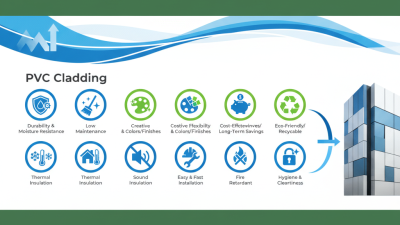
PVC cladding is increasingly popular in building construction due to its superior durability and longevity. This material can withstand harsh weather conditions, making it ideal for various climates. Unlike wood, PVC does not warp or rot. It maintains its structural integrity over time. Many properties benefit from its resistance to pests and moisture. This is particularly helpful in areas prone to insect infestations.
In addition to durability, PVC cladding offers a low-maintenance solution. Homeowners and builders appreciate that it doesn't require regular painting or sealing. A simple wash with soap and water keeps it looking fresh. However, some may question its environmental impact. Issues such as recyclability and production methods deserve attention. While PVC is durable, it's essential to weigh the long-term costs against the benefits.
Choosing PVC cladding involves careful consideration. It's not just about the initial appeal; understanding performance over years is crucial. The right material can enhance your building’s lifespan and reduce upkeep. Investing in quality cladding pays off in the long run, even if initial costs are higher. Balancing immediate needs with future sustainability is vital in today’s construction landscape.
Top Benefits of PVC Cladding Exterior for Your Building Needs
| Benefit |
Description |
Longevity |
Maintenance |
Environment Impact |
| Durability |
PVC cladding is resistant to harsh weather conditions, including rain, wind, and extreme temperatures. |
20-30 years |
Minimal; requires only occasional cleaning |
Recyclable material, reduces waste |
| Aesthetic Variety |
Available in a wide range of colors and textures to suit any design preference. |
N/A |
Very low upkeep; retains appearance over years |
Conserves energy when used for insulation |
| Cost-Effectiveness |
Lower cost compared to traditional materials, reducing initial investment. |
Long-term ROI through durability |
Saves on labor and replacement costs |
Less resource-intensive than wood or metal |
| Fire Resistance |
Meets fire safety guidelines, providing an extra layer of protection. |
Varies based on product specifications |
Requires no additional fire treatments |
Safer building materials |
| Weather Resistance |
Withstands UV rays and moisture, preventing fading and mold growth. |
20+ years |
Requires simple pressure washing |
Halves the moisture absorption than wood |
Cost-Effectiveness of PVC Cladding Compared to Traditional Materials
PVC cladding has become a popular option for building exteriors due to its cost-effectiveness compared to traditional materials. This synthetic material offers an appealing aesthetic while being budget-friendly. Homeowners and builders often find it more accessible than wood or stone. The lower upfront cost can make a significant difference for projects with tight budgets.
Maintenance costs are another aspect worth considering. PVC cladding requires less maintenance than wood, which may rot or warp over time. This means fewer repairs and replacements, which can lead to savings over the years. The reduced need for painting or staining makes it even more appealing. However, some might argue that its long-term durability is still up for debate, and understanding its lifespan is essential.
While PVC cladding provides a sleek look, potential buyers should weigh its ecological impact. Though it is cost-effective, its manufacturing process raises questions about sustainability. Some users feel uncertain about the long-term effects on the environment. Balancing these concerns with budget constraints is crucial for informed choices.
Energy Efficiency: Insulation Properties of PVC Cladding for Buildings
PVC cladding is an excellent choice for building exteriors. One of its standout features is its impressive insulation properties. PVC cladding helps maintain a stable indoor temperature, reducing the need for excessive heating or cooling. This results in lower energy bills, which is a crucial factor for any property owner.
The insulating properties of PVC create a barrier against the elements. It can effectively resist harsh weather conditions, preventing cold drafts in winter and heat from seeping in during summer. This protective layer enhances comfort inside the building. However, it’s essential to pair PVC cladding with proper installation to truly maximize its benefits. Improperly sealed joints or gaps can undermine its insulation.
While PVC cladding is a reliable option, property owners should consider its long-term performance. Changes in temperature or weather conditions might affect its durability over time. Regular maintenance is needed to keep it looking good and functioning well. Being proactive can help avoid future issues and ensure that the insulation properties remain effective.
Energy Efficiency: Insulation Properties of PVC Cladding
Low Maintenance Requirements of PVC Cladding for Long-Term Savings
PVC cladding offers remarkable low maintenance benefits that can lead to significant long-term savings for building owners. According to industry reports, properties clad with PVC require less upkeep compared to traditional materials. This can translate into lower labor costs and fewer resources spent on repairs. Studies show that maintaining vinyl siding can cost about 30% less over its lifecycle than wood or stucco options.
Choosing PVC cladding means less frequent painting, sealing, or repairs. Its resistance to rot and pests reduces the likelihood of unexpected expenses. Rain, wind, or harsh sunlight won’t easily damage it. This durability can save property owners a considerable amount over time.
For those considering installation, keep an eye on environmental factors. Consider local climate conditions that may affect maintenance needs. Regular inspections, even for low-maintenance materials, can help catch minor issues before they escalate. Opting for lighter colors can reduce heating costs in summer. Comfort and efficiency go hand in hand with the right decisions. Embracing these insights can lead to a wise investment in your building’s future.