Top 10 Benefits of PVC Cladding for Exterior Solutions?
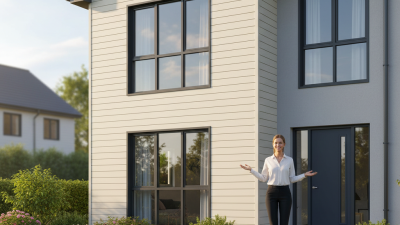
PVC cladding exterior solutions are becoming increasingly popular in modern architecture. According to a recent industry report by MarketsandMarkets, the global PVC cladding market is projected to reach $12 billion by 2025, driven by growth in construction activities and demand for sustainable materials. Homeowners and builders appreciate PVC cladding for its durability, low maintenance, and aesthetic appeal.
One significant advantage of PVC is its resistance to weather elements. Unlike traditional materials, it does not rot, warp, or fade. This durability leads to lower replacement costs over time, making it an economically sensible choice. However, some might question its environmental impact. While PVC is efficient in use, its production requires careful management to ensure minimal harm to the environment.
The versatility of PVC cladding allows it to mimic various textures and colors, enhancing the visual appeal of buildings. Studies show that well-clad exteriors can boost property values by up to 10%. Yet, some homeowners may overlook the importance of professional installation. Mismanagement during installation can lead to issues like poor insulation and moisture retention. Thus, understanding the benefits and challenges of PVC cladding is crucial for making informed choices in exterior solutions.
Overview of PVC Cladding and Its Applications in Exterior Design
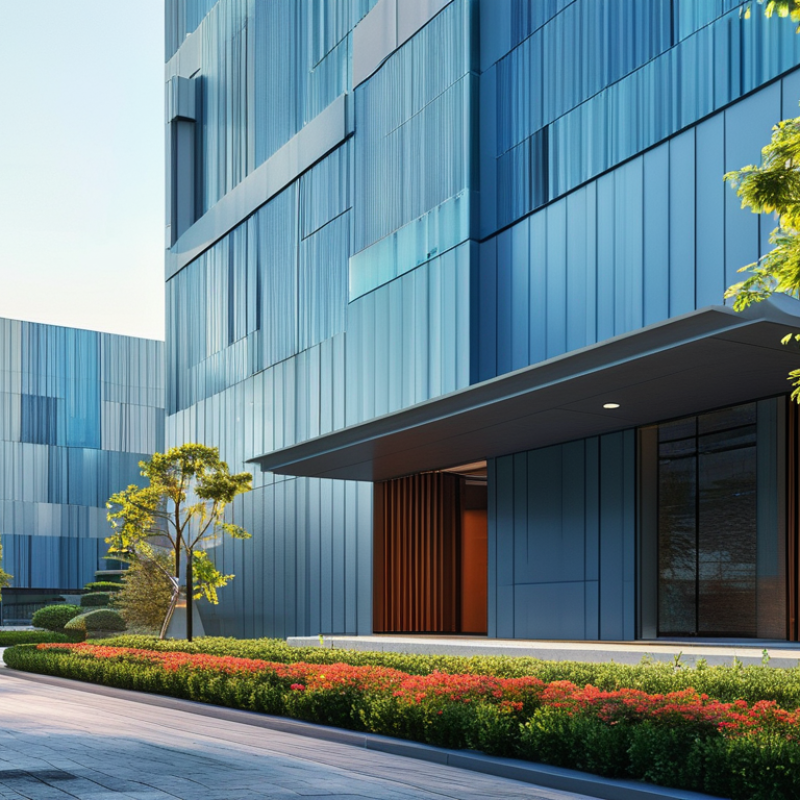
PVC cladding has gained popularity in exterior design due to its versatility and durability. This material is widely used in residential and commercial constructions. Reports indicate that the global PVC cladding market is expected to grow by 8% annually over the next five years. This growth reflects the material's increasing acceptance in modern architecture.
In exterior applications, PVC cladding is favored for its weather resistance and low maintenance requirements. It is available in a wide range of colors and finishes, allowing architects to achieve various aesthetic goals. Notably, PVC's effective insulation properties help reduce energy costs, making buildings more eco-friendly. A recent study found that buildings with PVC cladding can lower heating and cooling expenses by up to 30%.
However, it's essential to consider potential downsides. While PVC cladding is resistant to rot and pests, it can become discolored over time due to UV exposure. Also, installation quality can vary, impacting its overall performance. Professionals must remain vigilant about installation techniques to ensure maximum longevity. The evolving industry standards require ongoing training in application methods. This focus will help maintain not just aesthetic appeal but also structural integrity.
Key Advantages of PVC Cladding for Weather Resistance and Durability
PVC cladding offers significant weather resistance and durability for exterior applications. It withstands intense UV rays and heavy rainfall. According to a study by the Vinyl Institute, PVC can last up to 40 years with minimal maintenance. This longevity reduces the need for frequent replacements, making it a cost-effective solution in the long run.
In addition, PVC is resistant to rot, corrosion, and pests. Reports indicate that traditional materials, like wood, often succumb to moisture and insect damage. PVC, on the other hand, maintains its structural integrity under diverse weather conditions. This resilience means homeowners can expect fewer repairs and lower lifetime costs.
While PVC cladding excels in many areas, it is essential to consider its limitations. For example, it may not offer the same aesthetic appeal as wood or stone. Additionally, the manufacturing process raises environmental concerns. Balancing these factors against the benefits is crucial when making decisions. Ultimately, PVC cladding presents a reliable choice for those prioritizing durability and weather resistance.
Aesthetic Benefits of PVC Cladding in Enhancing Home Value
PVC cladding has become increasingly popular for exterior applications. Its aesthetic appeal enhances the visual attractiveness of homes. The vibrant colors and finishes available can complement diverse architectural styles. Homeowners often notice an immediate uplift in curb appeal after installation. Unlike wood or metal, PVC retains its appearance over time. This durability reduces the need for frequent maintenance.
When considering home value, first impressions matter. Attractive cladding can draw potential buyers’ attention. This is where PVC shines. Its versatility allows for creative designs, catering to both modern and traditional tastes. Some may overlook the fact that cladding can also be a reflection of personal style. An ill-chosen design might not resonate well with buyers.
Furthermore, the lightweight nature of PVC makes installation easier and more efficient. This reduces labor costs and can enhance property value over time. However, not all styles may appeal universally. It’s crucial to align cladding choices with local trends. Ignoring this might diminish the potential value boost. PVC cladding offers numerous benefits, yet careful consideration of aesthetics is key to maximizing home value.
Top 10 Benefits of PVC Cladding for Exterior Solutions
Maintenance Ease: Why PVC Cladding is a Low-Care Option
PVC cladding is gaining popularity for exterior solutions. One significant advantage is its maintenance ease. Unlike traditional materials, PVC does not require frequent painting or staining. It withstands various weather conditions, from heavy rains to intense sunlight, without deteriorating. This durability means homeowners can enjoy their exteriors without worrying about constant upkeep.
Cleaning PVC cladding is simple. A quick wash with soapy water is often enough to remove dirt and grime. It doesn’t harbor mold or mildew easily, reducing the need for chemical cleaners. This not only saves time but also keeps the environment safe. However, some homeowners may forget to check for wear over time. Regular inspections, though infrequent, help maintain its appearance.
Despite its many benefits, there are aspects that require reflection. While PVC is low-care, it can become discolored if not maintained correctly. Choosing the right color and finish can help mitigate this issue. Finding balance in aesthetics and functionality is essential. Overall, PVC cladding offers a practical solution that makes life easier for homeowners.
Environmental Impact: Sustainability of PVC Cladding Solutions
PVC cladding has gained popularity in construction due to its sustainability. A report by the Green Building Council states that PVC products can be recycled multiple times, reducing landfill waste. This characteristic contributes to a circular economy. Furthermore, 70% of PVC's raw materials are derived from salt, a abundant and stable resource. This reduces dependence on non-renewable fossil fuels.
Environmental assessments indicate that PVC cladding results in lower carbon emissions during production compared to other materials. Studies show a 30% reduction in emissions when using PVC over timber alternatives. However, not all manufacturing processes are equal. Some PVC products might contain harmful additives. This raises concerns about environmental safety.
Life-cycle analyses reveal that PVC cladding's durability means it often outlasts traditional materials. With an average lifespan of 30 years, it requires less frequent replacement and reduces resource consumption. While these benefits are significant, the industry must address issues surrounding effective recycling systems. Enhancing the sustainability of PVC solutions depends on continued innovation and careful management of materials.
Top 10 Benefits of PVC Cladding for Exterior Solutions - Environmental Impact: Sustainability of PVC Cladding Solutions
| Benefit |
Description |
Environmental Impact |
| Durability |
PVC cladding is resistant to weathering, does not rot, and lasts longer than many alternative materials. |
Reduces material waste over time due to extended lifecycle. |
| Low Maintenance |
Requires minimal upkeep, often just needing occasional cleaning. |
Lowers the need for chemical cleaners, supporting a healthier environment. |
| Energy Efficiency |
Provides insulation, helping to maintain temperature in buildings. |
Reduces energy consumption for heating and cooling. |
| Recyclability |
Can be recycled, which minimizes landfill contributions. |
Encourages recycling efforts and supports circular economy. |
| Aesthetic Versatility |
Available in various colors and textures to fit different designs. |
Can enhance the visual appeal of buildings without sacrificing sustainability. |
| Weather Resistance |
Withstands harsh weather conditions, including UV rays and moisture. |
Reduces replacement needs and environmental stress from production. |
| Cost-Effectiveness |
Lower installation and future maintenance costs compared to wood or metal. |
Less resource-intensive over time, promoting better resource use. |
| Non-Toxic Options |
Manufactured without harmful chemicals, safe for users and the environment. |
Contributes to healthier indoor air quality. |
| Fire Resistance |
Certain PVC products have inherent fire-retardant properties. |
Improves building safety and reduces fire-related environmental damage. |
| Sound Insulation |
PVC cladding can reduce sound transmission, enhancing comfort. |
Promotes a quieter environment, supporting well-being in urban settings. |