Top Benefits of Plastic Wall Cladding for Global Buyers?
Plastic Wall Cladding has emerged as a vital solution for diverse construction needs globally. According to a report by MarketsandMarkets, the plastic cladding market is projected to reach $43.6 billion by 2026, demonstrating a robust growth trajectory. This is driven by its wide-ranging applications and benefits, including durability, insulation, and aesthetic appeal.
The advantages of Plastic Wall Cladding extend beyond mere protection. It significantly reduces maintenance costs, a factor particularly appealing to global buyers. Many industry experts emphasize that it can last for decades with minimal upkeep. Furthermore, these materials are lightweight and easy to install, which cuts labor-intensive hours. Some experts, however, caution that quality varies widely between manufacturers.
As buyers navigate this evolving market, understanding both benefits and potential drawbacks is crucial. While many are satisfied with plastic cladding, some remain skeptical about long-term performance. A careful selection process based on reliable data and expert recommendations can mitigate these concerns, ensuring a sound investment in construction materials.
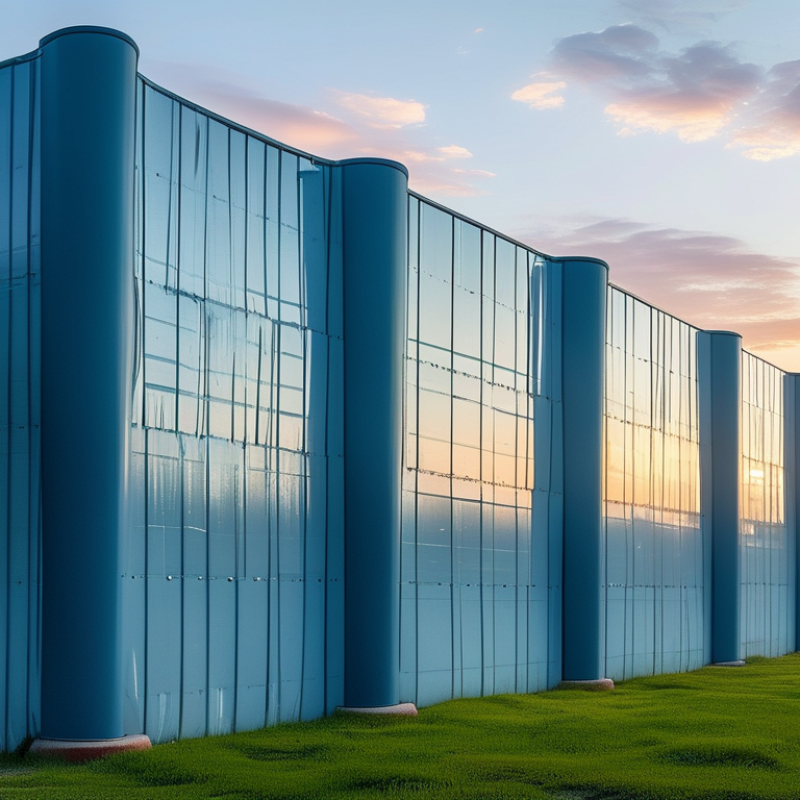
Advantages of Plastic Wall Cladding for Cost-Effective Construction
Plastic wall cladding has emerged as a significant solution in cost-effective construction. According to a report from Markets and Markets, the global plastic cladding market is projected to grow significantly due to rising construction activities. Plastic cladding provides durability and lower maintenance costs compared to traditional materials. This results in significant savings over time.
For builders, utilizing plastic wall cladding can reduce labor costs. The lightweight nature of the material simplifies installation. It often requires less skilled labor, making projects quicker and more efficient. Data from the Building Research Establishment highlights that plastic wall systems can save up to 25% in installation time. This efficiency allows for faster project completions.
**Tip:** When selecting materials, consider both initial costs and long-term savings. Look into local suppliers to reduce transportation expenses.
Plastic cladding also offers better insulation, contributing to energy efficiency. The insulating properties can lower heating and cooling costs, as noted by the U.S. Department of Energy. However, it’s essential to reflect on the environmental impact of plastic materials. Industry experts recommend exploring recyclable options to mitigate ecological concerns while still reaping the financial benefits. This dual focus on cost and sustainability can guide buyers in making well-rounded decisions.
Top Benefits of Plastic Wall Cladding for Global Buyers
Durability and Low Maintenance of Plastic Wall Cladding Solutions
Plastic wall cladding offers significant durability and low maintenance, essential for global buyers. This material stands resilient against harsh weather conditions. Its impact-resistant properties prevent damages from everyday wear and tear. Unlike wood, plastic doesn’t warp or rot,
maintaining its shape over time. This makes it a reliable choice for various environments, from humid coastal areas to dry inland regions.
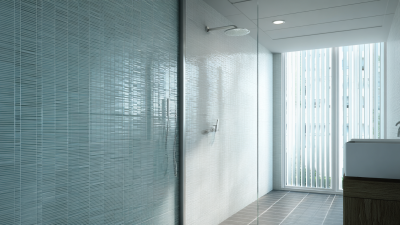
Low maintenance is another crucial aspect. Plastic cladding doesn’t require painting or staining like traditional materials do. A simple wash with soap and water keeps it looking fresh. This ease of upkeep translates to cost savings over time. Buyers can redirect resources from maintenance tasks to other essential projects. However, some may question long-term environmental impacts. While plastic does offer immediate benefits, future considerations about recycling and sustainability are valid points for reflection.
Aesthetic Versatility: Design Options of Plastic Wall Cladding
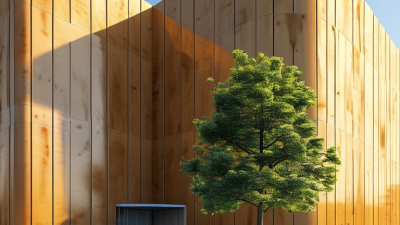
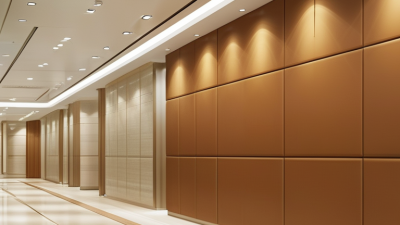
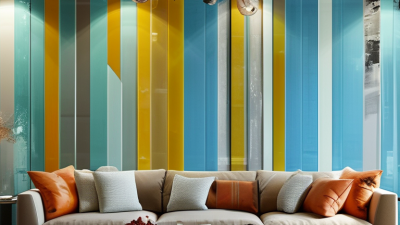
Plastic wall cladding is gaining popularity among global buyers for its aesthetic versatility. It offers a wide range of designs that can suit various architectural styles. From vibrant colors to wood-like textures, options are abundant. This material allows easy customization. Homeowners can create unique spaces that reflect personal tastes.
When choosing plastic wall cladding, consider the color scheme of your interior. Lighter colors can make a small room look larger. Darker shades add depth and sophistication. Think about patterns too. Geometric shapes can bring a modern flair. Floral designs may suit a more traditional setting.
Tips for installation: Ensure the surface is clean and dry. Use the right adhesives or fasteners for a secure fit. Think about insulation properties, too; some panels offer better thermal performance. Remember to plan the layout carefully. A well-thought-out design can eliminate the need for excessive trimming. Each choice matters in achieving your desired aesthetic. Embrace the art of imperfections; they can add character to your space.
Environmental Impact and Sustainability of Plastic Wall Cladding
Plastic wall cladding presents a promising solution for the construction industry. Its environmental impact is a crucial factor to consider. Many plastic wall cladding materials are made from recycled sources. This process reduces waste and plays a role in a circular economy. Buyers can find products that minimize their carbon footprint while maintaining quality.
Sustainability is at the forefront of discussions surrounding plastic wall cladding. Unlike traditional materials, certain types of plastic cladding require less energy to produce. This characteristic can lead to lower overall emissions during manufacturing. However, the longevity of these materials is critical. If they do not last as intended, the cycle of production could negate some sustainability benefits.
While the advantages of plastic wall cladding are clear, there are still challenges. Not all plastic products are recyclable or biodegradable. Moreover, the perception of plastic as harmful persists. Education is vital for users to make informed choices. Engaging with reliable sources and understanding the science behind plastic materials can help mitigate misconceptions. The environmental impact of plastic wall cladding continues to evolve, demanding careful consideration from global buyers.
Comparison of Plastic Wall Cladding with Traditional Materials
Plastic wall cladding offers significant advantages over traditional materials like wood and brick. According to a report by MarketsandMarkets, the market for plastic wall cladding is expected to grow by 6.5% annually. This growth suggests a shift towards materials that are lighter and easier to install. In contrast, traditional options require intensive labor and longer installation times.
Plastic wall cladding is resistant to moisture and pests. Unlike wood, it does not warp or rot over time. A study from the National Association of Home Builders indicates that maintenance costs for wooden materials can exceed $2,000 over ten years. In contrast, plastic cladding often requires minimal upkeep. Some users note that color fading can occur, but manufacturers are addressing this by enhancing UV resistance.
Another aspect to consider is insulation. Traditional materials often have poorer thermal performance compared to modern plastic varieties. A report from the American Society of Heating, Refrigerating, and Air-Conditioning Engineers highlights that better insulation can lead to energy savings of up to 30%. However, while many plastic options provide decent insulation, they may not be as effective as high-end alternatives. Thus, selecting the right cladding involves weighing both cost and efficiency demands.