Top 10 Tips for Choosing Bathroom Ceiling Cladding That Lasts
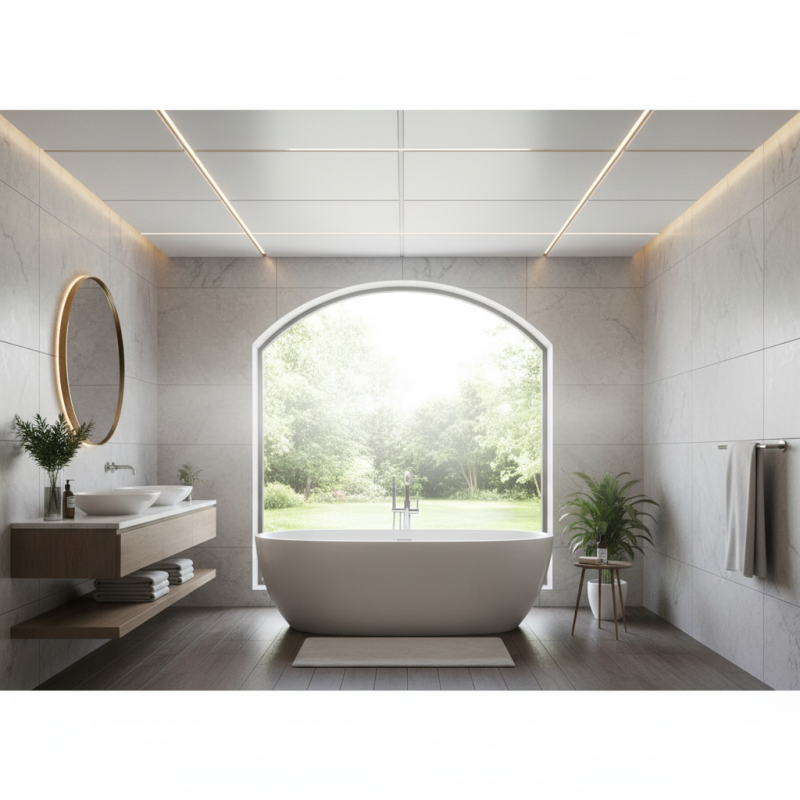
When it comes to designing a bathroom, one often overlooked aspect is the ceiling. Bathroom ceiling cladding not only serves a functional purpose but also plays a significant role in the overall aesthetics of the space. With countless options available, selecting the right bathroom ceiling cladding can seem daunting. However, making an informed choice can lead to lasting satisfaction and reduced maintenance in the long run.
In this guide, we will explore the top 10 tips for choosing bathroom ceiling cladding that not only complements your design vision but also stands the test of time. From material selection and moisture resistance to style and installation considerations, these insights will help you navigate the myriad of choices. Ultimately, the right bathroom ceiling cladding will enhance the beauty and durability of your space, ensuring it remains a lovely retreat for years to come.
Understanding the Importance of Durable Bathroom Ceiling Cladding
Choosing the right bathroom ceiling cladding is crucial for maintaining a stylish and functional space. Durable materials resist moisture and prevent mold growth, which is especially important in a room often exposed to high humidity. Understanding the importance of durability means considering how long the cladding will last and how well it can withstand the unique challenges of a bathroom environment.
When selecting cladding, one of the top tips is to prioritize moisture-resistant materials. Options like PVC panels or treated wood can provide the longevity needed while enhancing the aesthetic appeal of your bathroom. Additionally, consider the weight of the materials; lightweight options can be easier to install and less likely to sag over time.
Another essential factor is care and maintenance. Choose cladding that allows for easy cleaning, helping to ensure your ceiling stays free from grime and mildew. Some materials require minimal effort to maintain their appearance, contributing to a longer lifespan. Opting for cladding that meets these durability and maintenance criteria will ensure your bathroom remains beautiful and functional for years to come.
Types of Materials Commonly Used for Bathroom Ceiling Cladding
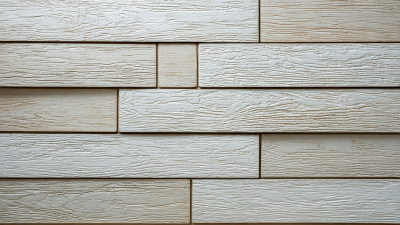
When it comes to choosing bathroom ceiling cladding, the material you select plays a crucial role in durability, aesthetics, and maintenance. One popular option is PVC panels, which are known for their resistance to moisture and ease of installation. They are lightweight, easy to clean, and come in various designs and colors, making them a versatile choice for modern bathrooms. PVC’s water-resistant properties help prevent mold growth, making it a practical option for humid environments.
Another commonly used material is drywall with proper moisture-resistant treatment. This option can provide a seamless look, allowing for creative design flexibility. However, it requires a bit more maintenance than other materials, as it is crucial to ensure that any leaks are addressed immediately to prevent damage. For those seeking a more natural aesthetic, wood cladding treated with water-resistant finishes can offer a warm, inviting look. Sustainable wood materials can enhance the bathroom's atmosphere, but they may need regular maintenance to prevent warping or moisture damage over time. Each material presents its own benefits and challenges, making it important to consider your specific needs and aesthetic desires when making a choice.
Top 10 Bathroom Ceiling Cladding Materials
Evaluating Moisture Resistance in Ceiling Cladding Options
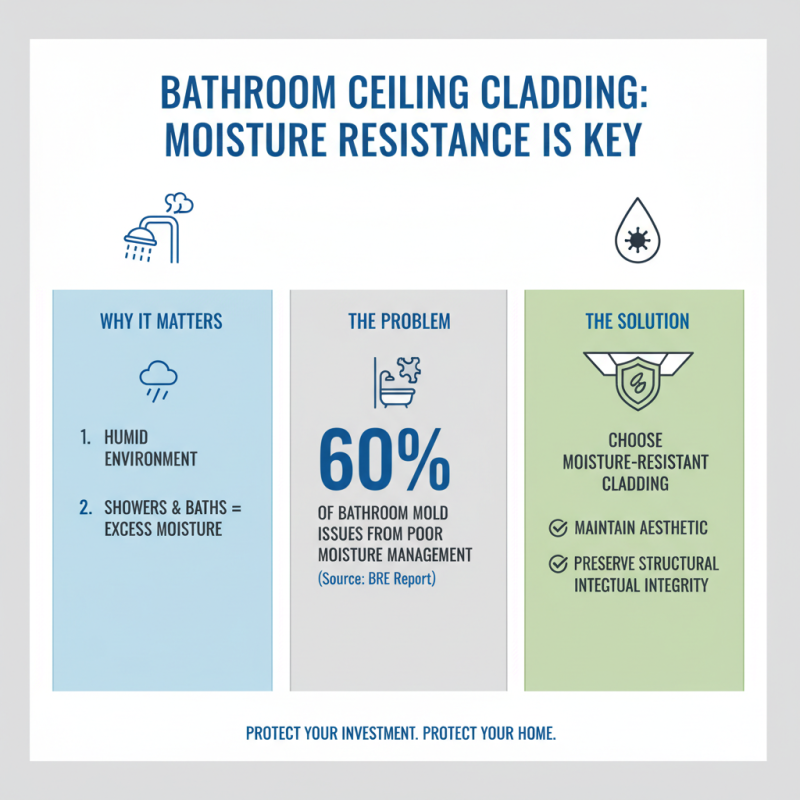
When it comes to selecting bathroom ceiling cladding, evaluating moisture resistance is paramount. Bathrooms are inherently humid environments, with factors such as showers and baths contributing to excess moisture in the air. According to the latest report from the Building Research Establishment, nearly 60% of bathroom mold issues can be traced back to insufficient moisture management in construction materials. As such, choosing cladding that can withstand high humidity levels is essential for maintaining both the aesthetic and structural integrity of your bathroom.
In terms of material options, PVC and vinyl cladding often emerge as frontrunners due to their excellent moisture resistance and ease of maintenance. Research from the National Association of Home Builders indicates that materials with a moisture vapor transmission rate lower than 1.0 perms are ideal for humid environments, effectively preventing moisture from penetrating and causing damage. Additionally, the long-term durability of these materials can save homeowners significant repair and replacement costs over time. Therefore, when evaluating ceiling cladding, it's crucial to consider not only the initial appearance but also the material's resistance to moisture and its overall lifespan in a moisture-laden setting.
Considering Aesthetic Appeal and Design Compatibility
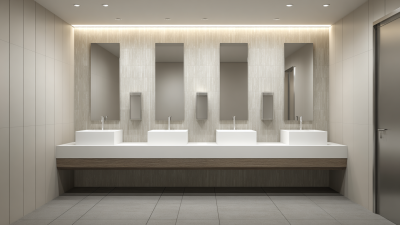
When selecting bathroom ceiling cladding, it is essential to prioritize aesthetic appeal and design compatibility, as these factors significantly influence the overall look and feel of the space. According to the latest design trends, 70% of homeowners desire a cohesive aesthetic in their bathrooms that seamlessly integrates with the rest of their home. This trend emphasizes the importance of selecting materials that align with existing design elements, such as tile, fixtures, and cabinetry.
For instance, materials like PVC and vinyl not only offer durability but also come in a variety of colors and textures that can mimic the look of wood or ceramic, allowing for greater flexibility in design without compromising on longevity.
In addition to aesthetics, considering the natural light and size of the bathroom is crucial for ensuring that the ceiling cladding complements the space effectively. Research indicates that lighter-colored ceilings can make smaller rooms feel larger and more open, while textured finishes can add depth and character. Furthermore, the National Association of Home Builders reports that over 80% of home buyers are influenced by the bathroom’s design quality during their purchasing decisions, underscoring the need for thoughtful selection of ceiling materials that not only enhance visual appeal but also reflect a high standard of craftsmanship. Choosing the right cladding ultimately builds a more inviting and stylish atmosphere that can increase both comfort and property value.
Budgeting for Long-term Maintenance and Installation Costs
When choosing bathroom ceiling cladding, it is crucial to account for both the installation costs and long-term maintenance expenses. Prioritizing durable materials can seem like a larger upfront investment, but it often pays off in the long run. Opting for high-quality options may require more financial commitment initially, but these materials tend to resist moisture, mold, and wear and tear far better than cheaper alternatives. This durability not only contributes to a longer lifespan but can also minimize future repair costs, thereby safeguarding your overall budget.
Furthermore, consider the specific maintenance requirements of the cladding you choose. Some materials may demand regular upkeep, such as painting or sealing, which can add to your costs over time. Others may offer easier cleaning solutions or require fewer touch-ups, significantly reducing your long-term expenditure. Having a clear understanding of the potential maintenance needs will help you select a ceiling cladding that aligns with both your aesthetic preferences and financial planning, ensuring that your investment remains sound for years to come.