Top Reasons to Choose PVC Hygienic Wall Cladding for Your Space in 2025
In the fast-evolving realm of interior design and construction, the choice of materials plays a pivotal role, especially in environments demanding high standards of cleanliness and hygiene. One product that has increasingly gained recognition in recent years is PVC Hygienic Wall Cladding. Renowned industry expert Dr. Sarah Thompson, who specializes in materials science, emphasizes the importance of this innovation, stating, "PVC Hygienic Wall Cladding not only ensures a sterile environment but also offers versatility and cost-effectiveness, making it an ideal choice for modern spaces."
As we move into 2025, the advantages of PVC Hygienic Wall Cladding become even more apparent. This material excels in meeting the rigorous hygiene standards required in healthcare facilities, food processing plants, and commercial kitchens. Its non-porous surface minimizes the risk of bacterial growth, thereby safeguarding the well-being of occupants. Additionally, the cladding is easy to install and maintain, allowing businesses to sustain their aesthetic appeal while prioritizing cleanliness.
Moreover, with the increasing emphasis on sustainable building practices, PVC Hygienic Wall Cladding presents an eco-friendly choice due to its longevity and recyclability. By opting for this cutting-edge solution, property owners not only enhance the visual integrity of their spaces but also align with modern sustainability goals. As experts continue to advocate for innovative design solutions, the relevance of PVC Hygienic Wall Cladding will undoubtedly rise, making it a top contender for those investing in future-ready environments.
Understanding PVC Hygienic Wall Cladding: An Overview
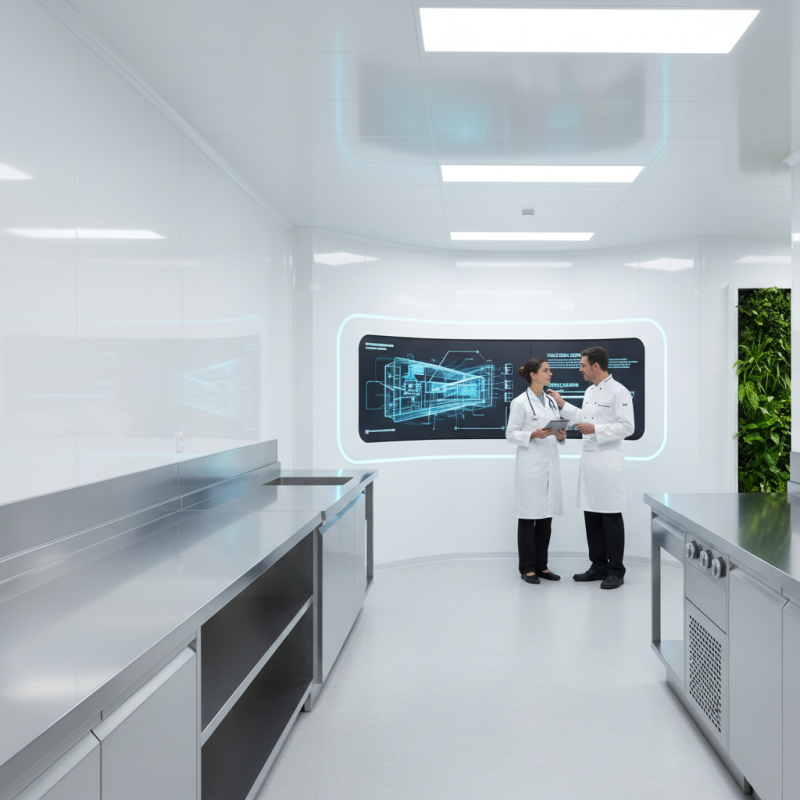
PVC hygienic wall cladding has gained significant popularity in various spaces, particularly in environments that require stringent cleanliness and maintenance protocols. Made from polyvinyl chloride, this material offers a seamless and resilient surface that is easy to clean and resistant to moisture, mold, and bacteria. The versatility of PVC hygienic wall cladding makes it suitable for diverse settings, such as hospitals, food processing areas, and kitchens, where hygiene standards are critical and regular cleaning is a necessity.
When considering PVC cladding for your space, keep in mind these tips: Always assess the specific needs of your environment regarding durability and resistance to chemicals or heavy impacts. Additionally, ensure proper installation to maximize the benefits of a seamless finish, which minimizes dirt traps and facilitates easier cleaning. Opting for cladding with a variety of colors and textures can enhance the aesthetic appeal of your space while still providing the hygienic benefits you seek.
Furthermore, choosing PVC hygienic wall cladding can lead to long-term cost savings. Its durability reduces the need for frequent replacements or repairs, and its low maintenance requirements can significantly cut down on cleaning time and resources. By understanding the advantages and practical applications of PVC hygienic wall cladding, you can make an informed choice that aligns with your hygiene and design goals for 2025.
Key Benefits of PVC Hygienic Wall Cladding for Various Spaces
PVC hygienic wall cladding is becoming an increasingly popular choice for various spaces due to its numerous key benefits. One of the primary advantages is its exceptional ease of cleaning and maintenance, making it ideal for environments that require high standards of hygiene, such as hospitals, kitchens, and laboratories. The non-porous surface of PVC cladding prevents the growth of mold, bacteria, and other harmful pathogens, ensuring a safe and sanitary atmosphere. Furthermore, its smooth finish allows for quick and effortless cleaning procedures, reducing labor costs and increasing efficiency.
In addition to hygiene, PVC wall cladding offers impressive durability and longevity. It is designed to withstand impacts, scratches, and various chemicals, making it suitable for high-traffic areas. This resilience means that facilities can enjoy the aesthetic appeal of their interiors without frequent repairs or replacements. Moreover, the variety of colors and finishes available allows for customization that can enhance the visual aspect of the space, offering a seamless integration with the overall design. Ultimately, choosing PVC hygienic wall cladding is a proactive investment in both cleanliness and durability for a wide range of settings.
Top Reasons to Choose PVC Hygienic Wall Cladding for Your Space in 2025
Environmental Considerations of Using PVC Hygienic Wall Cladding
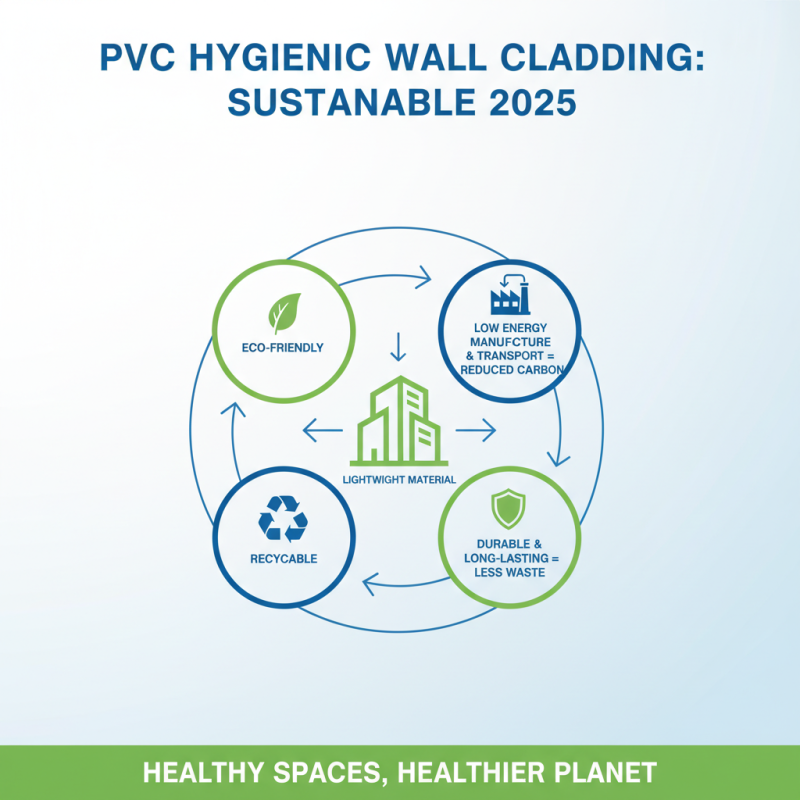
As environmental awareness continues to grow, the choice of building materials has become increasingly vital. PVC hygienic wall cladding emerges as a sustainable option for various spaces in 2025 due to its environmental considerations. Unlike traditional materials, PVC is lightweight and requires less energy to manufacture and transport, leading to reduced carbon emissions. Additionally, the material is highly durable, which extends its lifespan and diminishes the need for frequent replacements, ultimately contributing to a decrease in waste.
Moreover, many PVC wall cladding products are designed with recyclability in mind. At the end of their life cycle, they can be reprocessed and turned into new products, thus minimizing the impact on landfills. PVC is also resistant to mold and bacteria, which not only improves indoor air quality but also lowers the frequency of cleaning and the associated environmental costs. By choosing PVC hygienic wall cladding, users can actively participate in the sustainable transformation of their environments while maintaining hygiene and aesthetic standards.
Comparison of PVC Hygienic Wall Cladding with Other Materials
When comparing PVC hygienic wall cladding to other materials, it's essential to consider factors such as cleanliness, durability, and cost-effectiveness. PVC is renowned for its ease of maintenance, as it resists moisture, mold, and mildew—common issues in spaces like kitchens and healthcare facilities. According to a report by the International Journal of Environmental Science and Technology, surfaces treated with PVC can reduce microbial growth by up to 99%, far surpassing traditional materials such as painted drywall or wood panels. This makes PVC an ideal choice for environments requiring high hygiene standards.
Additionally, the cost-effectiveness of PVC wall cladding should not be overlooked. A market analysis by the Global Construction Materials Market Report estimates that PVC wall cladding can be 20-30% more affordable than comparable options like ceramic tiles or stainless steel. These savings come not only from the lower initial investment but also from reduced maintenance costs over time. As facilities strive to balance budgets with the need for sanitary conditions, PVC offers an appealing solution that aligns with both financial and health priorities.
Top Reasons to Choose PVC Hygienic Wall Cladding for Your Space in 2025
| Feature |
PVC Hygienic Wall Cladding |
Other Materials (e.g., Tile, Paint) |
| Hygienic Properties |
Resistant to mold and bacteria, easy to clean |
May require more maintenance, susceptible to mold |
| Durability |
High impact resistance, long lifespan |
Can chip or crack easily, shorter lifespan |
| Installation |
Quick and easy to install |
Longer installation time, more complicated |
| Cost |
Generally lower cost over time due to durability |
Higher maintenance costs |
| Aesthetic Options |
Wide variety of colors and finishes |
Varied but often limited design choices |
| Environmental Impact |
Sustainable options available |
Often less eco-friendly |
Installation and Maintenance Best Practices for PVC Hygienic Wall Cladding
When it comes to the installation of PVC hygienic wall cladding,
proper preparation is key to ensuring a successful outcome.
Start by thoroughly cleaning the wall surface to remove any dust, grease, or contaminants that may impede adhesion.
It’s essential to ensure that the walls are dry and smooth, as any imperfections can show through the cladding.
Measure the area accurately and plan the layout of the panels to minimize waste and ensure a uniform appearance.
Utilizing a quality adhesive that is compatible with PVC is advisable to facilitate a strong bond that can withstand moisture and impact.
Maintenance of PVC hygienic wall cladding is relatively straightforward, contributing to its popularity in both commercial and residential spaces.
Regular cleaning with mild detergent and warm water is usually sufficient to keep the surfaces looking new.
Avoid using abrasive cleaners or scrubbing pads that could damage the finish.
Inspecting the cladding periodically for any signs of damage, such as cracks or separations, is recommended.
Promptly addressing any issues ensures the longevity of the cladding and maintains its hygienic properties, making it an ideal choice for areas that require high cleanliness standards.