What is PVC Wall Panels 4x8 Benefits and Uses?
PVC Wall Panels 4x8 offer a versatile and practical solution for various interior spaces. These panels are lightweight yet durable, making them easy to install. Homeowners and builders appreciate their ability to mimic the appearance of natural materials, such as wood or stone, without the high maintenance costs associated with them.
The benefits of PVC Wall Panels 4x8 are numerous. They are water-resistant and resistant to mold, which makes them ideal for bathrooms and kitchens. However, some users find that they require additional support for heavy fixtures. It's essential to consider the right adhesive or fasteners during installation to ensure long-lasting results.
Although PVC Wall Panels 4x8 provide a sleek finish, there can be challenges with matching colors and textures to existing decor. This aspect may lead to a need for careful planning and selection. Nonetheless, the overall advantages often outweigh the cons, making these panels a popular choice in modern design.
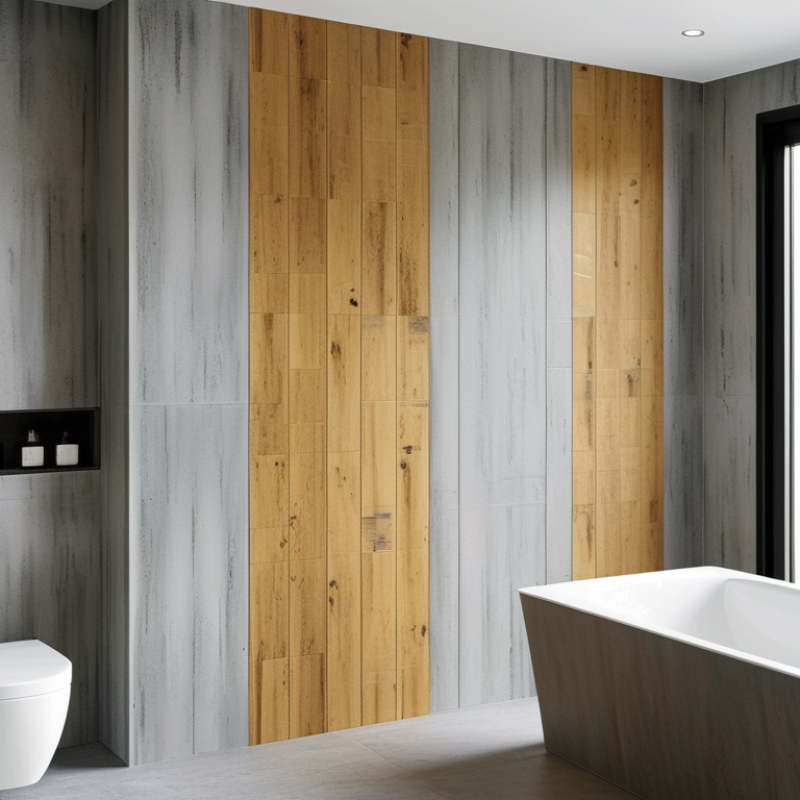
What are PVC Wall Panels?
PVC wall panels are an innovative building material, commonly used for interior surfaces. They are made from polyvinyl chloride, a durable and lightweight plastic. These panels are ideal for various applications, including residential and commercial spaces. According to a recent market report, the global PVC wall panels market is expected to reach USD 5 billion by 2025, showcasing their growing popularity.
One significant advantage of PVC wall panels is their resistance to moisture. They do not warp or swell, making them suitable for areas prone to humidity, such as bathrooms and kitchens. Additionally, these panels come in various designs and colors, allowing for endless possibilities in interior decor. Their easy installation process can reduce labor costs for contractors, emphasizing their practical benefits.
Despite their advantages, there are considerations to keep in mind. Some experts highlight concerns about the environmental impact during the production process. PVC is a synthetic material, and its lifecycle raises questions about sustainability. Furthermore, while they are easy to clean, harsh chemicals can damage the finish over time. It’s crucial to evaluate the long-term implications of using PVC wall panels in any project.
What is PVC Wall Panels 4x8 Benefits and Uses?
| Feature |
Description |
| Material |
Polyvinyl Chloride (PVC) |
| Dimensions |
4 feet x 8 feet |
| Water Resistance |
Highly resistant to water, ideal for bathrooms and kitchens |
| Maintenance |
Easy to clean, requiring minimal maintenance |
| Installation |
Quick and easy installation with various mounting options |
| Durability |
Highly durable and impact-resistant |
| Design Variety |
Available in various colors, patterns, and textures |
| Cost Effectiveness |
Affordable alternative to traditional wall materials |
| Eco-Friendly |
Recyclable and low environmental impact |
Key Benefits of PVC Wall Panels 4x8
PVC wall panels in a 4x8 size are gaining attention for their numerous advantages. One key benefit is their durability. These panels resist moisture, making them ideal for areas prone to dampness, like basements and bathrooms. They won't warp or rot over time, which is a common issue with wood or drywall. This longevity helps reduce maintenance costs in the long run.
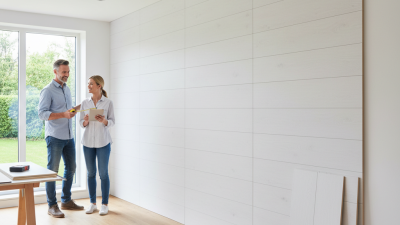
Another important aspect is the easy installation. Lightweight and pre-finished, PVC panels save time and effort. They can often be installed directly over existing walls. This feature appeals to DIY enthusiasts and professional contractors alike. Cuts can be made easily without the need for heavy tools. However, some may find alignment tricky during the installation, requiring patience and precision.
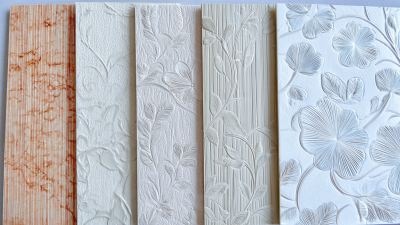
Aesthetically, PVC wall panels are versatile. They come in various colors, designs, and textures, allowing for creative expression. From sleek modern looks to rustic finishes, they've got it covered. But not everyone may appreciate the synthetic appearance compared to traditional materials. A balance between expectation and reality is essential when choosing these panels.
Common Applications of PVC Wall Panels
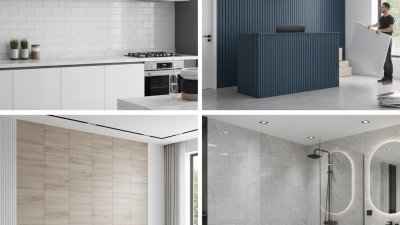
PVC wall panels are widely used in various industries due to their versatility and durability. In commercial settings, they serve as an excellent option for wall coverings. According to the Plastic Industry Association, the market for PVC products is projected to reach $60 billion by 2025. This growth is fueled by the increasing demand for low-maintenance materials that are resistant to moisture and mold.
In the healthcare sector, PVC wall panels play a crucial role in maintaining sanitary environments. They are easy to clean and can withstand harsh chemicals. Facilities using these panels report fewer instances of mold growth, contributing to healthier spaces for patients and staff. Additionally, PVC panels are popular in retail spaces, where aesthetics matter. Their design flexibility allows businesses to create eye-catching displays without sacrificing functionality.
Residential applications of PVC panels are also on the rise. Many homeowners choose them for kitchens and bathrooms due to their waterproof properties. Yet, there is a need for caution. While PVC panels are long-lasting, improper installation can lead to issues like warping or peeling over time. Understanding the material's limitations is essential to ensure that it meets specific needs. This awareness fosters better decision-making when integrating PVC panels into design schemes.
Benefits and Common Applications of PVC Wall Panels
Installation Process for PVC Wall Panels
Installing PVC wall panels can seem straightforward, but attention to detail is crucial. Begin by preparing the surface where the panels will be applied. Ensure it is clean, dry, and smooth. If working on drywall, patch and sand any imperfections. Choose the correct adhesive suitable for PVC materials to ensure a strong bond.
Once the surface is ready, measure and cut the panels to fit the space. Use a utility knife for precise cuts. It’s advisable to dry-fit the panels before applying adhesive. This step helps identify any potential issues. Misalignment is common. Take your time during this phase to avoid future regrets. Apply the adhesive evenly and press the panel firmly against the wall. Hold it in place for a few moments for a proper seal.
After installation, inspect the seams. Gaps can create problems later. Consider using caulk for a seamless effect. Allow adequate time for the adhesive to cure, usually 24 hours, before subjecting the panels to heavy use. Achieving a successful installation takes practice and patience, but the results can be rewarding.
Maintenance Tips for PVC Wall Panels
PVC wall panels are a popular choice for various settings due to their durability and ease of maintenance. Regular care is essential to preserve their appearance and functionality.
It's critical to wipe down panels with a damp cloth and a mild detergent. This simple action can keep surfaces free from grime and stains.
Avoid harsh cleaners that could damage the panel surface. Efforts from a study by the Association of Plastic Recyclers indicate that improper maintenance can lead to premature wear. Implementing a cleaning schedule ensures longevity and enhances the aesthetic of the panels.
UV exposure can cause fading and discoloration over time. Utilizing UV-blocking window films or proper placement mitigates this issue. It's essential to regularly inspect the panels for any signs of damage. Early detection of issues can prevent larger problems later on.
Consider these tips essential for maintaining PVC wall panels and enhancing their lifespan.