What is PVC Wall Cladding and Why Should You Use It?
PVC wall cladding has emerged as a popular choice for modern interior and exterior design. Industry expert Julia Thompson, a renowned architect, emphasizes the versatility of this material: "PVC wall cladding transforms spaces effortlessly." This statement reflects the growing recognition of its aesthetic and practical benefits.
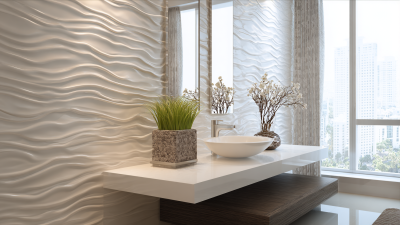
PVC wall cladding combines durability with design flexibility. It is lightweight, making installation easier for both professionals and DIY enthusiasts. This material resists moisture, which is crucial in high-humidity areas like bathrooms and kitchens. Visually appealing, PVC wall cladding comes in various styles and colors, allowing for creativity in design.
However, some may question the environmental impact of PVC products. Critics argue that while it offers convenience, sustainability should also be a priority. It's vital to consider both the advantages and potential drawbacks of using PVC wall cladding in projects. Balancing beauty and responsible choices will lead to more thoughtful design solutions.
Understanding PVC Wall Cladding: Definition and Composition
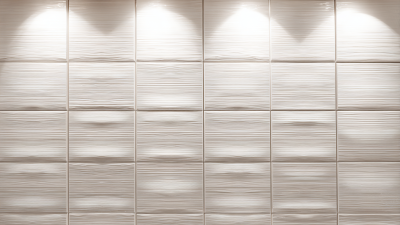
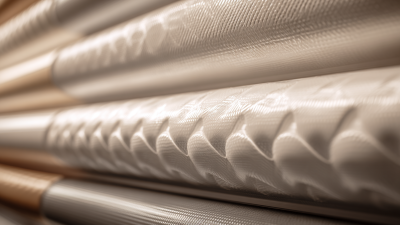
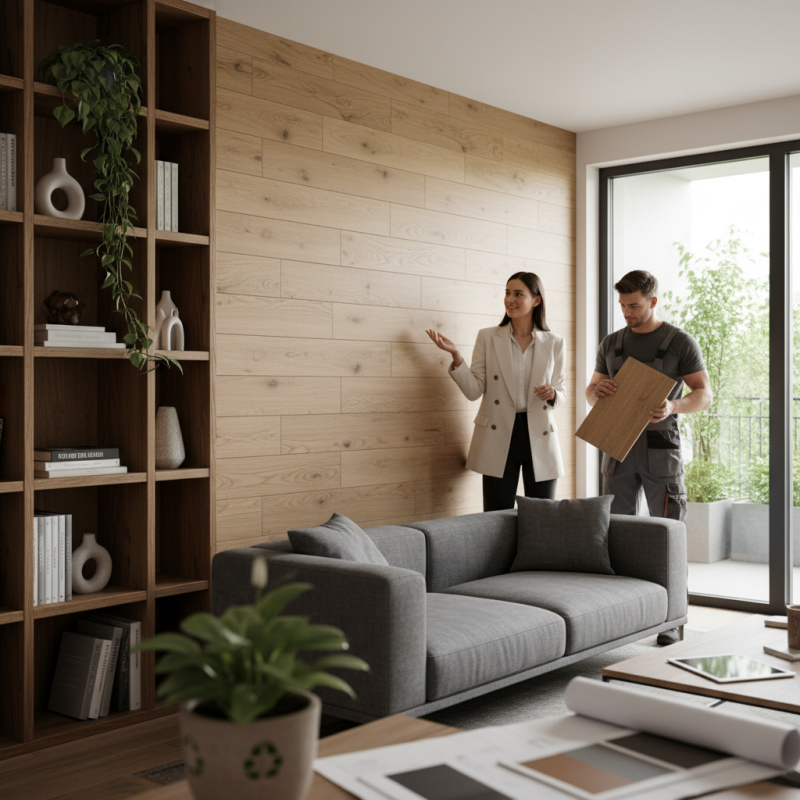
PVC wall cladding is a popular choice for modern interiors. It is made from polyvinyl chloride, a durable plastic. This material has gained fame for its versatility and low maintenance needs. The cladding is lightweight, making it easy to install. It can mimic various textures and colors, enhancing the aesthetic appeal of any room.
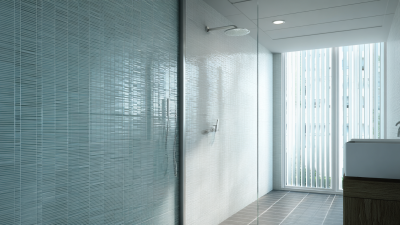
One noteworthy aspect of PVC wall cladding is its resistance to moisture. It won’t warp like traditional wood. That makes it ideal for bathrooms and kitchens. However, improper installation can lead to peeling or gaps. Ensure correct fitting to avoid future issues.
Tip: Always use a quality adhesive. It can affect the longevity of your cladding. Also, consider matching the cladding with room lighting. The right color can transform your space entirely. It's essential to reflect on your personal taste while choosing designs. Not all patterns will fit every environment.
Advantages of PVC Wall Cladding in Home and Commercial Applications
PVC wall cladding is gaining popularity in both home and commercial spaces. The benefits are substantial. According to industry reports, it can reduce installation costs by up to 30% compared to traditional materials. This affordability attracts many builders and homeowners alike.
One of the standout advantages is durability. PVC is resistant to moisture, which makes it suitable for bathrooms and kitchens. In fact, studies show that it can last over 20 years with minimal maintenance. This longevity saves money in the long run. However, some may argue that it lacks the aesthetic appeal of natural wood or stone. Though advancements in design are helping to bridge this gap, it’s a point worth considering.
In commercial applications, PVC cladding offers clear advantages. It’s lightweight and easy to install, reducing labor time. Reports indicate that businesses see around a 15% increase in energy efficiency when using insulated PVC panels. Yet, some installations may not be as secure, raising questions about long-term performance. Addressing these concerns is essential for maximizing the benefits of this material.
Installation Process: How to Properly Install PVC Wall Cladding
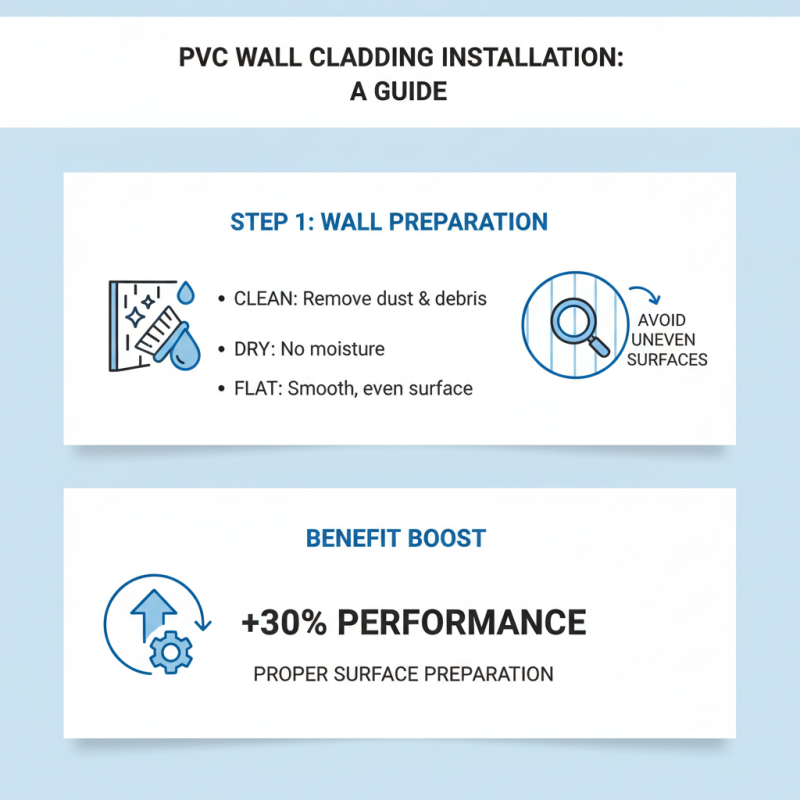
Installing PVC wall cladding can seem straightforward, but attention to detail is crucial. Start by preparing the wall surface. Ensure it is clean, dry, and flat. Uneven surfaces may lead to poor adhesion. This may lead to unsightly gaps or even detachment over time. According to a recent industry report, proper surface preparation can improve the performance of wall cladding by up to 30%.
Next, measure and cut the PVC panels accurately. Use a high-quality cutting tool to avoid jagged edges. Jagged edges can affect the seal and overall aesthetics. If cutting is not precise, the installation may look unprofessional. It’s essential to leave a small gap at the edges for expansion. The expansion rate of PVC can vary, and neglecting this may result in warping.
When installing, use the right adhesive and follow the manufacturer's guidelines. A report from the Building Industry Association highlights that incorrect adhesive application leads to a 25% increase in installation failures. Ensure you apply even pressure while positioning the panels. Over time, improper installation methods can lead to costly repairs. Take your time with each step to ensure a quality finish.
Maintenance Tips for Long-Lasting PVC Wall Cladding
PVC wall cladding offers a practical solution for both aesthetic appeal and durability. To ensure its longevity, regular maintenance is crucial. One fundamental aspect is cleaning. Use a soft cloth and mild detergent to wipe down surfaces. This removes dust and grime without damaging the material. Remember, scrubbing too hard can leave scratches. Be gentle, but thorough.
Additionally, inspect the cladding periodically for any signs of damage. Look for cracks or loose panels. Sometimes, even minor issues can lead to bigger problems. If you notice anything unusual, address it promptly. It's easy to overlook small repairs, but neglect can lead to costly fixes later.
Finally, consider the exposure to sunlight. UV rays can cause discoloration over time. Using UV-resistant coatings can help protect the cladding. However, these coatings should be reapplied every few years. This step is often forgotten but critical for maintaining the appearance of your PVC wall cladding. Taking these small steps can make a significant difference in its lifespan.
Benefits of PVC Wall Cladding
PVC wall cladding offers numerous benefits that contribute to its growing popularity in construction and renovation projects. This chart illustrates the ratings of key benefits such as durability, cost-effectiveness, ease of maintenance, aesthetic variety, and water resistance based on a scale from 1 to 10.
Comparing PVC Wall Cladding with Other Wall Covering Options
PVC wall cladding is becoming increasingly popular for various applications. When comparing PVC to other wall covering options, several factors come into play. PVC is known for its durability and low maintenance requirements. According to a report by Freedonia Group, the demand for PVC building materials is expected to grow by 3.4% annually through 2025. This statistic reflects the material's rising reputation in construction.
In contrast, traditional materials like wood and drywall often require more maintenance. Wood can warp and is susceptible to pests. A survey conducted by the Home Improvement Research Institute found that 60% of homeowners prefer materials that require less upkeep. PVC cladding offers this advantage, often lasting between 20 to 30 years without significant degradation. However, it’s essential to consider local climate and application, as PVC may not perform well in extreme temperatures.
Another point of comparison is aesthetic versatility. PVC comes in various colors and textures, mimicking natural materials effectively. Yet, some still critique its appearance, arguing it can look less authentic than wood or stone. Deciding on the best wall covering should include a careful evaluation of both practical and visual factors. This degree of reflection can guide more informed choices for homeowners and builders alike.