What is PVC Hygienic Wall Cladding Benefits and Applications Guide
PVC Hygienic Wall Cladding has gained significant attention in various industries. This material offers a unique combination of hygiene, durability, and aesthetic appeal. In the healthcare sector, for instance, according to a report by MarketsandMarkets, the global demand for hygienic wall cladding is expected to grow at a CAGR of over 5% through 2025. This growth reflects an increasing emphasis on cleanliness and infection control.
The features of PVC Hygienic Wall Cladding make it ideal for sterile environments. It is resistant to moisture, chemicals, and bacteria. Additionally, this material is easy to clean and maintain, which is crucial in settings such as hospitals and laboratories. However, some may overlook the importance of proper installation. A poorly installed cladding system can lead to costly maintenance issues, which negates its benefits.
While PVC Hygienic Wall Cladding offers numerous advantages, it’s essential to consider cost-effectiveness. Quality products may seem costly initially, but they can lead to savings over time due to reduced maintenance needs. Industry professionals suggest evaluating various options and adhering to installation guidelines to maximize benefits.
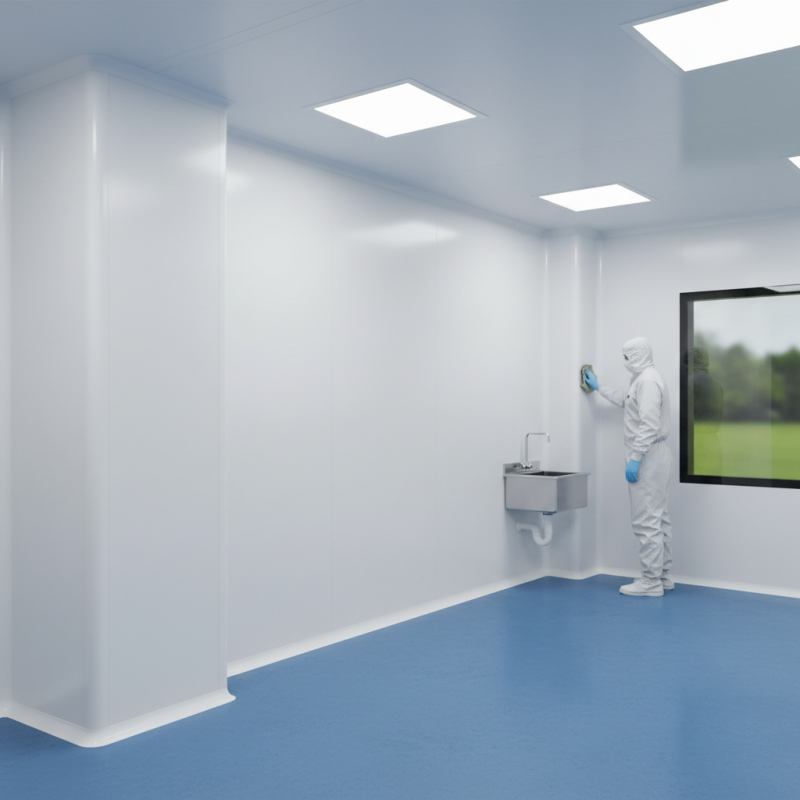
What is PVC Hygienic Wall Cladding?
PVC hygienic wall cladding is an innovative solution for various settings. It's made from polyvinyl chloride, a strong and versatile plastic. This material is known for its durability and resistance to moisture. As a result, it is ideal for environments like hospitals, kitchens, and bathrooms. PVC wall cladding helps maintain cleanliness. The smooth surface allows for easy cleaning, preventing the growth of mold or bacteria.
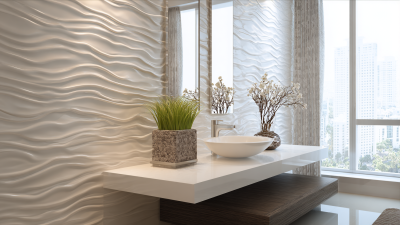
In addition to hygiene, PVC wall cladding offers aesthetic benefits. It comes in various colors and patterns. This variety allows it to fit all design preferences. Whether it’s a clinical look or a more inviting space, there are options available. This flexibility is a significant advantage for designers and facility managers. However, some may find it challenging to choose the right style or finish. It can be overwhelming with so many options.
While PVC cladding has many positives, it’s not perfect. Some may argue about its environmental impact. Although it is highly functional, it might not be the first choice for eco-conscious projects. Another point to consider is the installation. Proper fitting is crucial to avoid future issues. If installed poorly, the seams can trap dirt. Therefore, careful attention is necessary during the installation process.
Benefits of PVC Hygienic Wall Cladding
This bar chart illustrates the benefits of PVC hygienic wall cladding based on a rating scale from 1 to 10, showcasing its ease of cleaning, moisture resistance, aesthetic appeal, durability, and cost-effectiveness.
Key Benefits of PVC Hygienic Wall Cladding
PVC hygienic wall cladding offers several key benefits, making it an ideal choice for various applications. This material is surprisingly lightweight yet durable, which aids in easy installation and long-term performance. According to industry reports, locations using PVC wall cladding reported a 40% reduction in maintenance costs compared to traditional wall materials. This significant saving attracts many sectors, including healthcare and food manufacturing.
Another compelling advantage is its resistance to moisture and bacteria growth. PVC cladding does not promote mold or mildew, ensuring a hygienic environment. Studies have shown that facilities that utilize PVC cladding experience a 30% decrease in infections. This is crucial in settings where cleanliness is non-negotiable. However, not all installations guarantee immediate benefits. Poor application or inadequate surface preparation can lead to issues down the line, highlighting the importance of skilled installation.
Aesthetic versatility also plays a role in its popularity. PVC cladding is available in various colors and textures, allowing customization. Facilities can maintain a professional look while ensuring functionality. Despite these benefits, there can be concerns about its environmental impact and recyclability. PVC isn’t biodegradable, and some users may feel conflicted over its sustainability. Awareness of these concerns can lead to more informed choices in material selection.
What is PVC Hygienic Wall Cladding Benefits and Applications Guide - Key Benefits of PVC Hygienic Wall Cladding
| Benefit |
Description |
Applications |
| Hygienic |
Non-porous surface that prevents bacteria and mold growth. |
Healthcare facilities, food processing areas. |
| Durable |
Resistant to impact, scratches, and stains. |
Commercial kitchens, schools. |
| Easy to Clean |
Smooth surface that can be easily wiped down. |
Laboratories, veterinary clinics. |
| Aesthetic Appeal |
Available in various colors and patterns for design flexibility. |
Restaurants, retail environments. |
| Cost-effective |
Lower installation and maintenance costs compared to other materials. |
Warehouses, industrial facilities. |
Common Applications of PVC Hygienic Wall Cladding
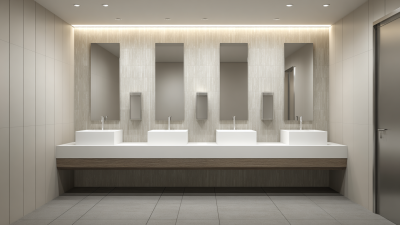
PVC hygienic wall cladding is increasingly popular in various settings. It's widely used in healthcare facilities, kitchens, and food processing areas. The material's non-porous surface is easy to clean and resistant to moisture. This makes it ideal for environments that require strict hygiene standards.
In healthcare, PVC cladding helps prevent the spread of bacteria. Hospitals often use it in operating rooms and patient rooms. Cleanability is crucial here. The smooth surface allows for quick cleaning and reduces the risk of infection. It’s a practical choice for both aesthetics and health safety.
For kitchens and food processing areas, PVC is a game-changer. The material withstands harsh cleaning products, avoiding degradation. It also offers added durability against impacts and scratches. A good fit for busy environments, PVC cladding will maintain its appearance over time.
Tip: Ensure proper installation. Improperly fitted panels may lead to trapping moisture, negating their benefits. Regular inspections can help catch any issues early.
Tip: When selecting colors, consider the psychological effects. Light colors can make a space appear larger and cleaner. Dark colors might add warmth but may show dirt more easily. Use your space wisely.
Installation Process for PVC Hygienic Wall Cladding
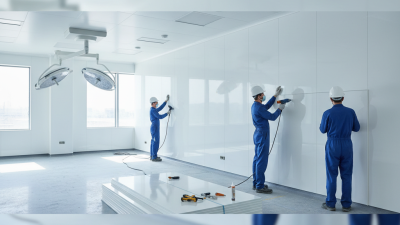
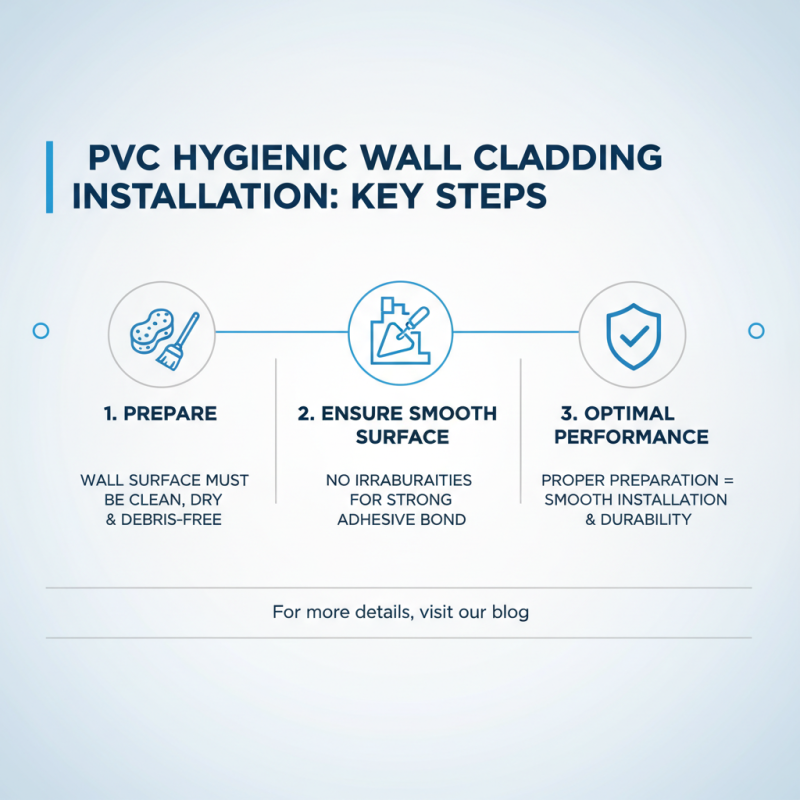
The installation process for PVC hygienic wall cladding is essential for achieving optimal performance. Begin by preparing the wall surface. It should be clean, dry, and free of any debris. Any irregularities might affect the adhesive bond. Proper preparation paves the way for a smooth installation and durability.
Using appropriate adhesives is critical. Industry reports suggest that a high-quality adhesive can enhance the cladding's lifespan by up to 30%. Follow the manufacturer's instructions meticulously. Apply the adhesive evenly, ensuring complete coverage. Press the cladding panels firmly against the wall. Allow ample drying time as per guidelines to prevent peeling.
Tips for installation: Take accurate measurements before cutting the panels. This step minimizes waste and ensures a snug fit. If using a power tool for cutting, ensure safety gear is worn. Pay attention to alignment while installing the panels. Misalignment may lead to gaps that compromise hygiene.
Achieving a seamless appearance is crucial. Inspect joints and edges carefully. Any visible imperfections can harbor dirt and bacteria. Routine checks are necessary to maintain the integrity of the installation. Over time, even well-installed cladding may require maintenance or repairs. Validate the condition periodically to ensure it remains hygienic and functional.
Maintenance and Care for PVC Hygienic Wall Cladding
PVC hygienic wall cladding is known for its durability and resistance to moisture and bacteria. Maintaining these surfaces can ensure they last longer. Regular cleaning is essential. Use mild detergents to wipe down the panels. Avoid harsh chemicals, as they can damage the surface. Take care to dry the walls after cleaning to prevent mold from developing.
One challenge might be keeping the seams clean. Dirt often collects there. A soft brush can help. Pay attention to any scratches or dents. Over time, even tough materials can wear down. Repair small damages promptly to avoid bigger issues later.
Tip: Schedule a regular inspection every few months. This helps catch early signs of wear. Remember, prevention is less costly than replacement. For best results, use a gentle touch when scrubbing. A little extra care goes a long way. Shiny surfaces not only look good; they also promote hygiene.