Why Choose PVC Bathroom Wall Panels for Your Home?
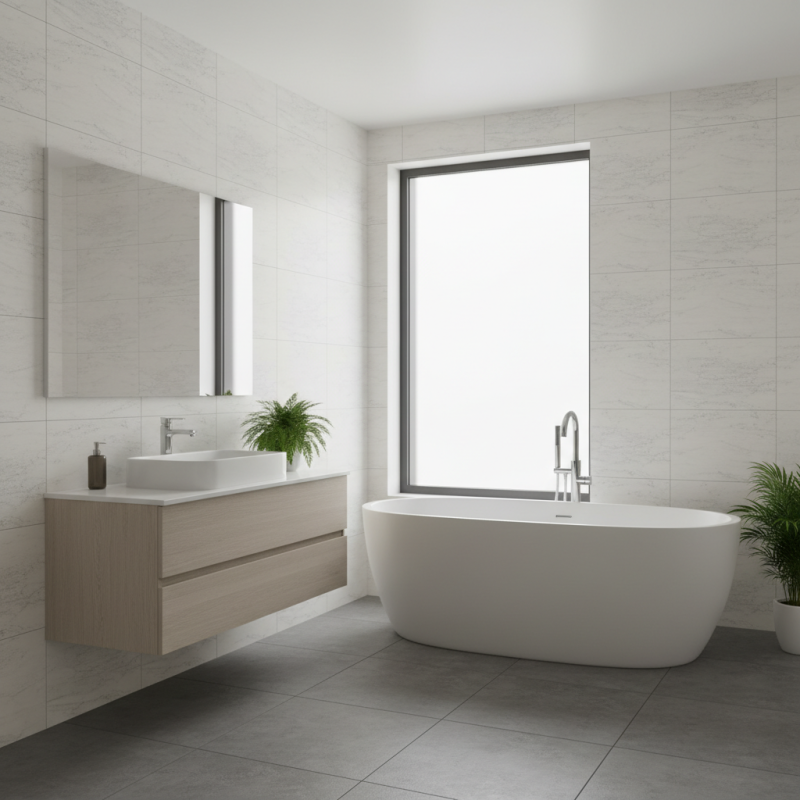
When renovating a bathroom, homeowners face many choices. One option that stands out is PVC bathroom wall panels. Renowned expert Lisa Johnson, a leading specialist in home design, notes, “PVC bathroom wall panels blend functionality with style.” This material is not only stylish but also practical. With various colors and textures, it can fit any design scheme.
The durability of PVC bathroom wall panels is another strong point. They resist moisture and damage effectively. Unlike traditional materials, these panels won’t warp or mold easily. However, not everyone may realize that poor installation can still lead to issues. Choosing the right contractor is crucial to avoid setbacks. A well-installed panel can last for years, enhancing your bathroom's appeal.
Understanding the trade-offs is essential. While PVC bathroom wall panels offer resilience, they may not suit every aesthetic preference. Some may prefer natural materials like wood or stone for a more classic look. Yet, the maintenance challenges of those materials can't be ignored. Homeowners should weigh options carefully to find what truly meets their needs. Overall, investing in PVC bathroom wall panels can be a wise decision.
Benefits of PVC Bathroom Wall Panels Over Traditional Materials
PVC bathroom wall panels offer an attractive alternative to traditional materials like tiles and drywall. They are lightweight and easy to install. Homeowners can save time and effort during renovation projects. Unlike tiles, PVC panels do not require grout, reducing the risk of mold and mildew. This is especially crucial in humid bathroom environments.
One significant benefit of PVC panels is their durability. They are resistant to water damage and do not warp easily. This long-lasting quality makes them an economical choice. The panels also come in various colors and designs, allowing for customized decorations. However, some homeowners may worry about the environmental impact of PVC production. It's essential to consider sustainable options when choosing materials.
Installation is relatively straightforward, but not always perfect. Some panels may not fit seamlessly, leading to gaps. This requires careful measurement and adjustments. Over time, the panels may show wear and tear, necessitating maintenance. While PVC panels have advantages, homeowners should weigh these concerns against their needs and preferences.
Benefits of PVC Bathroom Wall Panels Over Traditional Materials
Durability and Maintenance Advantages of PVC Panels
PVC bathroom wall panels offer significant durability and low maintenance benefits. According to industry reports, these panels can last up to 30 years when installed correctly. They are resistant to moisture, mold, and mildew, making them ideal for wet environments. A study by the Building Materials Research Institute found that homeowners save an average of 30% on maintenance costs compared to traditional materials.
Cleaning PVC panels is quick and simple. A regular wipe down with a damp cloth keeps them looking fresh. Unlike tiles, there are no grout lines to scrub. This ease of cleaning saves both time and effort, contributing to their popularity.
Tips: Be sure to monitor any scratches on the panel surface. Use a mild cleaner to avoid damage. Think about using a protective finish to enhance durability. While PVC panels are tough, take precautions during installation. Check for proper sealing to prevent water leakage. This step can save future headaches.
Cost-Effectiveness of PVC Compared to Other Wall Options
PVC bathroom wall panels have gained popularity for good reasons. One of the most compelling factors is their cost-effectiveness compared to traditional wall options. According to a recent report by the National Association of Home Builders, the average cost of PVC panels is significantly lower than tile or stone installations, often by 30% or more. This makes them a smart choice for budget-conscious homeowners.
In addition to the savings, PVC panels are lightweight and easier to install. Data suggests that installation time can be cut by nearly half when using PVC versus heavier materials. This also reduces labor costs, adding to the financial benefits. However, it’s important to consider the long-term investment. While PVC may seem cheaper initially, it’s worth exploring its durability and maintenance needs over time. Some panels may not hold up as well in extreme climates.
On the flip side, not all PVC panels are created equal. Some cheaper options lack the necessary thickness and quality, leading to potential issues like warping or fading. Homeowners should do thorough research to find reliable sources for their materials. This proactive approach can help ensure you get a balance of affordability and quality. Choosing wisely can lead to a rewarding bathroom renovation.
Design Versatility: Styles and Colors of PVC Panels for Bathrooms
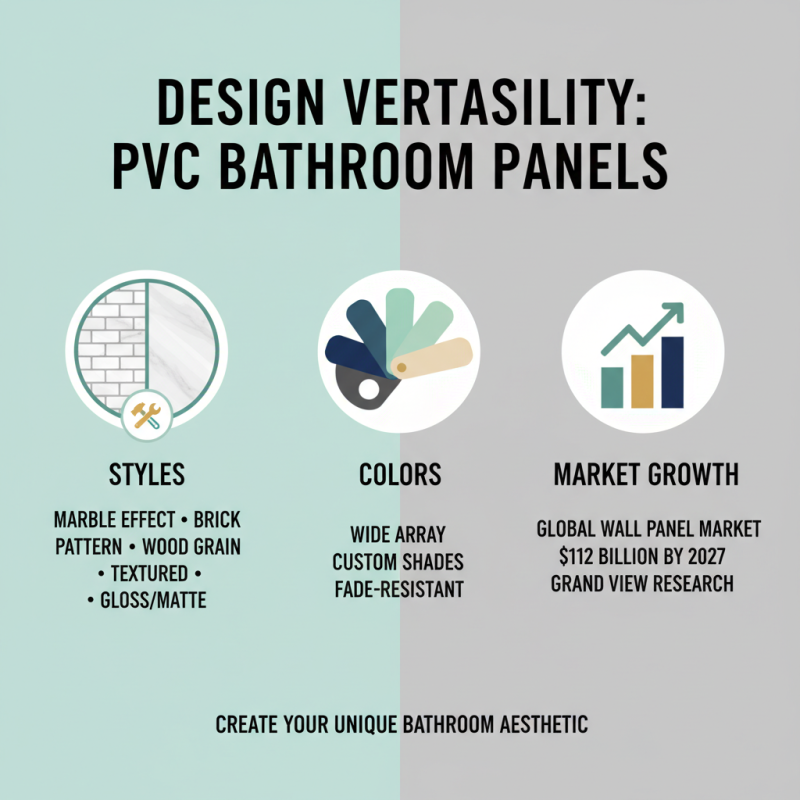
PVC bathroom wall panels offer remarkable design versatility, making them a popular choice for modern homes. Available in a wide array of styles and colors, these panels enable homeowners to create unique bathroom aesthetics. A report by Grand View Research indicates that the global wall panel market is anticipated to reach $112 billion by 2027. This growth is reflective of an increasing trend toward innovative and customizable home designs.
Choosing the right color and style is crucial. PVC panels come in shades from tranquil pastels to bold colors. Designs mimic natural materials, such as wood or stone. This flexibility allows for personal expression, but it can also lead to overwhelming choices. Some homeowners may struggle to select combinations that truly reflect their vision. Additionally, while PVC panels are durable, they may not suit every design preference. Using them may require careful consideration of lighting and complementary elements.
Many designers recommend using contrasting textures to enhance the look of PVC panels. For example, pairing smooth panels with rougher materials can create visual interest. However, achieving this balance can be challenging. Homeowners should ensure that their selected colors work well with fixtures and accessories. It’s essential to take time to reflect on design choices, as they can greatly impact the overall ambiance of the space.
Installation Process: How to Install PVC Wall Panels Easily
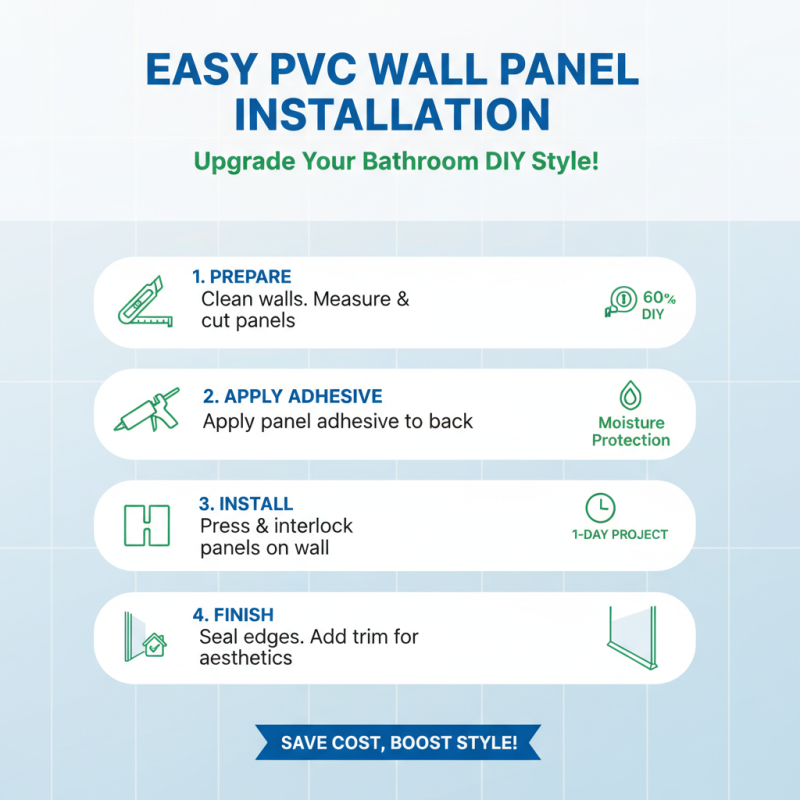
Installing PVC wall panels can significantly enhance your bathroom's aesthetics and protection against moisture. The installation process is straightforward and can be accomplished within a day. According to a 2021 industry report, over 60% of homeowners prefer DIY solutions to save on costs. This trend highlights the accessibility of products like PVC panels.
Start by measuring your wall space accurately. A measuring tape will be your best friend here. Cut the panels to size using a utility knife. The right tools make a difference. Next, apply adhesive to the walls and carefully position each panel, ensuring alignment. It's important to check for levelness; an imbalance can lead to unsightly results. A survey by Home Improvement Magazine shows that 30% of DIYers struggle with adhesion due to improper initial measurements.
Take your time during installation. If a panel doesn’t fit right, it’s okay to recheck your work. Instant gratification can lead to errors. Use spacers to create even gaps for expansion. After installing, caulk around the edges for a finished look. According to a study, nearly 40% of DIY projects require rework. Be mindful and ensure everything adheres well. Patience is key for a successful weekend project.