What is Plastic Wall Cladding Benefits Applications and Installation Guide
Plastic wall cladding has emerged as a transformative solution in the construction and interior design sectors, offering a multitude of benefits that cater to both aesthetic and functional needs. According to industry expert Dr. Emily Carter, a leading figure in materials engineering, "Plastic wall cladding is revolutionizing spaces by providing durable, low-maintenance surfaces that enhance the visual appeal without compromising on performance." Her insights underline the increasing preference for this innovative material, as it is not only versatile but also sustainable, making it a popular choice for modern architecture.
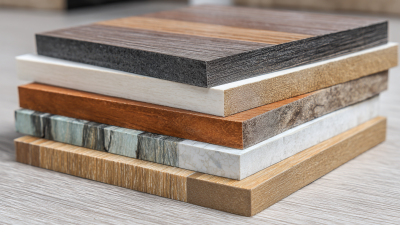
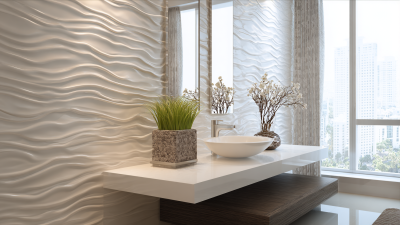
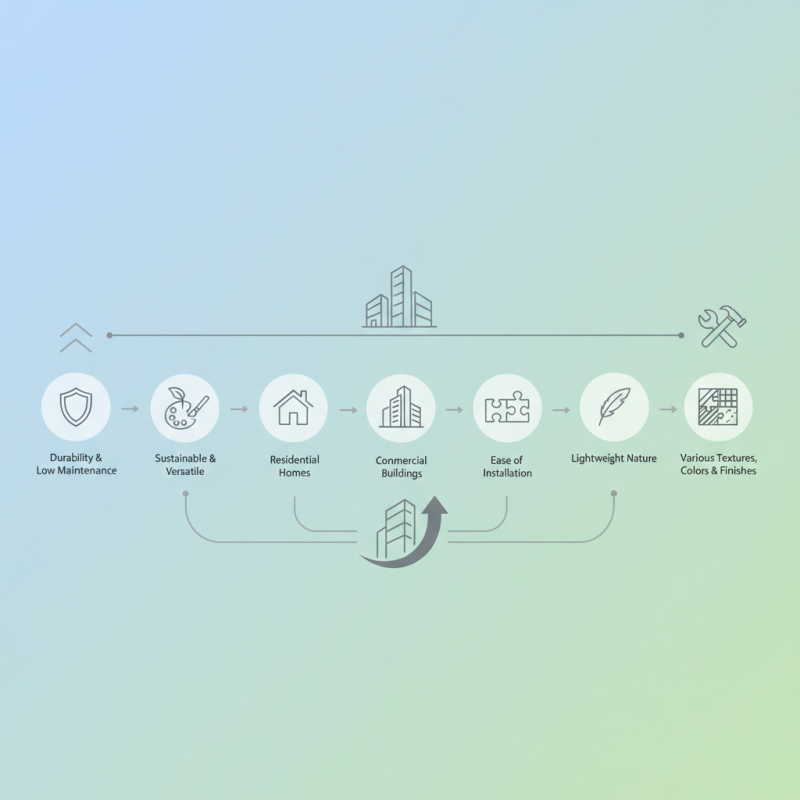
The applications of plastic wall cladding are vast, ranging from residential homes to commercial buildings, and even public facilities. Its lightweight nature and ease of installation make it a favorite among builders and designers, who are continuously seeking efficient and cost-effective alternatives to traditional wall materials. Furthermore, with advancements in technology, the aesthetic possibilities have expanded significantly, allowing for various textures, colors, and finishes that can mimic natural materials.
In summary, plastic wall cladding serves as a remarkable solution for those seeking to combine practicality with style in their building projects. With ongoing developments and increasing awareness of its advantages, this material is set to play a crucial role in the future of construction and design, providing long-lasting benefits that align with contemporary values of sustainability and innovation.
What is Plastic Wall Cladding?
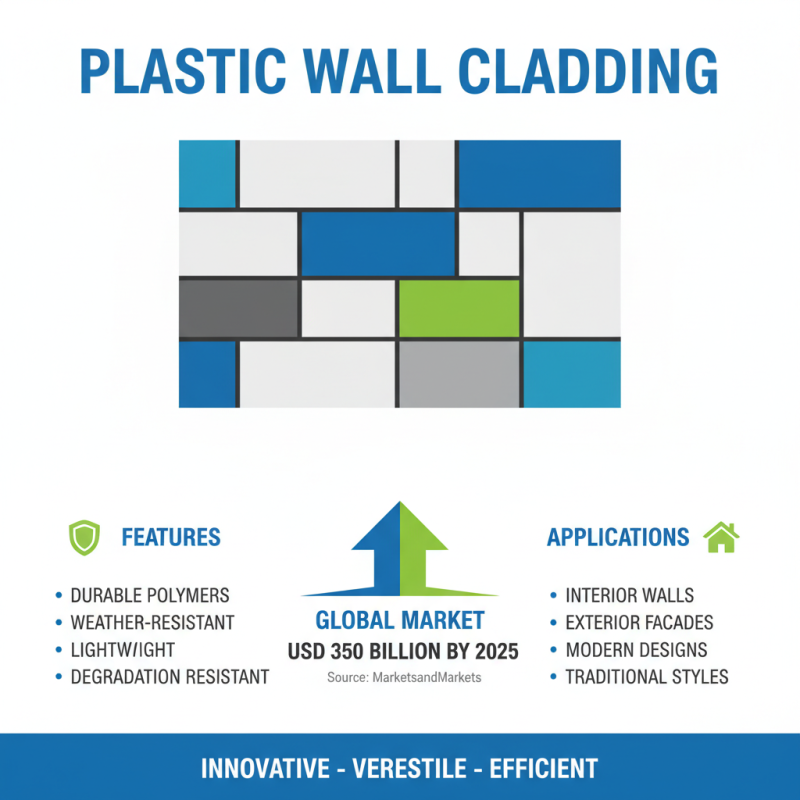
Plastic wall cladding is an innovative building material that serves both decorative and functional purposes. Composed of durable polymers, this type of cladding provides a weather-resistant finish, making it an ideal choice for both interior and exterior applications. According to a recent industry report by MarketsandMarkets, the global wall cladding market is expected to reach USD 350 billion by 2025, with plastic cladding playing a significant role due to its lightweight nature and resistance to degradation. The versatility in design allows for various aesthetics, ranging from sleek modern looks to traditional styles, appealing to a broad spectrum of consumer preferences.
One of the most compelling benefits of plastic wall cladding is its low maintenance requirements. Unlike traditional materials such as wood or plaster, plastic cladding offers resistance to moisture, rot, and pests, which can lead to lower long-term repair costs. A study by Grand View Research found that buildings clad with plastic materials showed a 30% reduction in maintenance expenses when compared to those with conventional cladding solutions. Additionally, the ease of installation allows for quicker project turnaround times, reducing labor costs and minimizing disruption during construction. These advantages make plastic wall cladding a highly attractive option for builders and homeowners alike, as they seek sustainable and economically viable building solutions.
Benefits of Using Plastic Wall Cladding
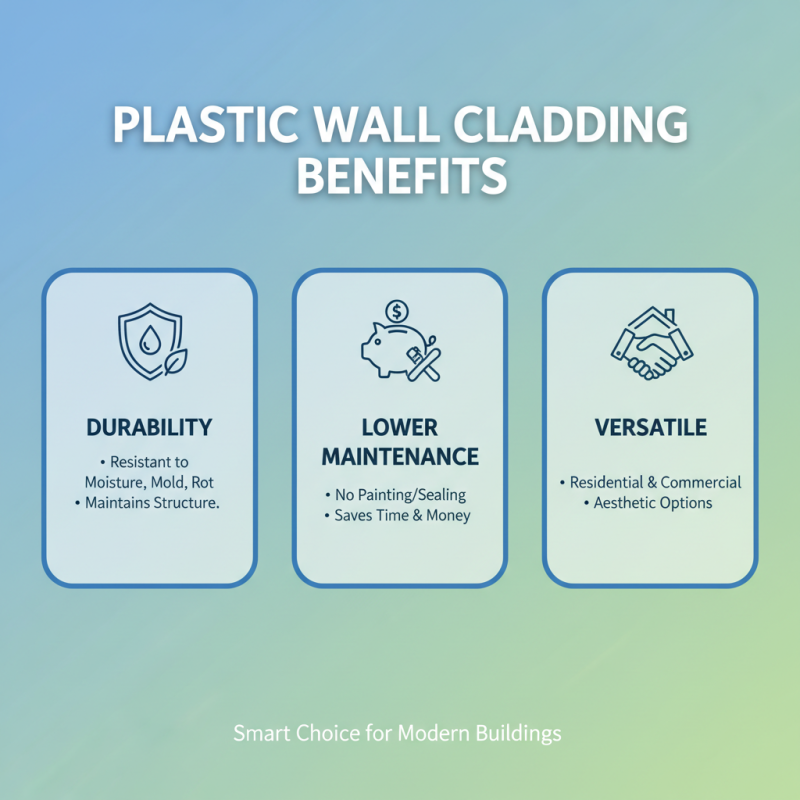
Plastic wall cladding offers numerous benefits that make it a popular choice for both residential and commercial applications. One of the most significant advantages is its durability. Unlike traditional materials such as wood or plaster, plastic cladding is resistant to moisture, mold, and rot, which helps maintain the integrity of the structure over time. This durability leads to lower maintenance costs, as it does not require regular painting or sealing, allowing homeowners and businesses to save both time and money.
Another benefit of plastic wall cladding is its versatility in design. It comes in various colors, textures, and finishes, enabling users to create a personalized aesthetic that complements their existing decor. Additionally, plastic wall cladding is lightweight and easy to install, which can significantly reduce labor costs and installation time compared to heavier materials. This ease of installation makes it an ideal choice for DIY projects, empowering individuals to enhance their spaces without the need for professional help. Overall, the combination of durability, design flexibility, and ease of installation makes plastic wall cladding an appealing option for a wide range of applications.
Common Applications for Plastic Wall Cladding
Plastic wall cladding offers a versatile solution for various applications, making it a popular choice in residential and commercial settings. One common application is in bathrooms and kitchens, where its water-resistant properties help prevent mold and moisture damage. This feature is especially beneficial in areas that require frequent cleaning and exposure to humidity. The ease of maintenance and durability of plastic cladding ensure that these spaces remain hygienic and visually appealing over time.
Additionally, plastic wall cladding is frequently used in outdoor settings, such as patios and balconies. Its ability to withstand the elements without warping or fading makes it a reliable choice for exterior walls. The lightweight nature of plastic cladding allows for straightforward installation over various substrates, thereby reducing construction time and labor costs. Furthermore, its aesthetic versatility means it can be designed to mimic wood, stone, or other materials, providing an attractive finish that enhances the overall look of the property while providing excellent insulation.
Step-by-Step Installation Guide for Plastic Wall Cladding
Plastic wall cladding has gained significant popularity due to its versatility and durability, making it an ideal choice for both residential and commercial applications. The installation process is a crucial aspect that can greatly influence the performance and longevity of the material. According to a report by Grand View Research, the global cladding market is projected to reach USD 335.1 billion by 2026, with a notable increase in the adoption of plastic materials due to their low maintenance requirements and weather resistance.
The step-by-step installation guide typically begins with selecting the appropriate cladding panels and preparing the wall surface. It's recommended to ensure that the surface is clean, dry, and free of any defects. Following this, installers generally measure and cut the panels to size, allowing for expansion gaps necessary for temperature fluctuations. Most experts recommend using a level and chalk line to ensure that the panels are aligned correctly. Fastening techniques vary, but always include using corrosion-resistant screws or clips to secure the panels adequately. Industry studies indicate that proper installation can enhance the cladding’s lifespan by up to 20%, as improper techniques are often the main cause of premature failure.
Moreover, maintaining insulation and moisture control is essential during the installation process. As indicated by the National Association of Home Builders, improper installation can lead to moisture retention, causing mold and other structural issues. Ensuring that an air gap is maintained between the cladding and the underlying structure can significantly reduce the risk of damage. By adhering to these installation guidelines, homeowners and builders can effectively maximize the benefits of plastic wall cladding, thus ensuring a resilient and aesthetically pleasing finish.
Maintenance Tips for Plastic Wall Cladding
Plastic wall cladding is a popular choice for many homeowners and businesses due to its durability and aesthetic appeal. However, to ensure that your plastic wall cladding maintains its appearance and functionality over time, regular maintenance is essential. One of the most important maintenance tasks is cleaning. Use a mild detergent mixed with water to gently wash the surface, removing any dirt, stains, or grime. It’s advisable to avoid abrasive cleaners or scrubbing pads, as these can damage the finish.
Additionally, regular inspections can help identify potential issues before they become major problems. Check for signs of fading, warping, or other damage. If you notice any loose panels or sections, prompt reattachment is necessary to prevent further complications. Sealing any gaps or joints with appropriate sealants will also safeguard against moisture penetration, which can lead to mold growth. By adhering to these simple maintenance tips, you can significantly prolong the lifespan of your plastic wall cladding and ensure it continues to enhance the beauty of your space.
Benefits of Plastic Wall Cladding