What is Plastic Cladding Sheets and Their Benefits?
In the evolving construction landscape, "Plastic Cladding Sheets" have emerged as a vital component in both commercial and residential projects. John Smith, a leading expert in the plastic materials industry, states, "The versatility of plastic cladding sheets is a game-changer for modern architecture." This highlights the growing appreciation for these materials, which combine functionality with aesthetic appeal.
Plastic Cladding Sheets offer numerous benefits, such as durability, lightweight properties, and ease of installation. Their resistance to weathering and corrosion makes them suitable for various climates. Furthermore, they serve as an excellent insulator, contributing to energy efficiency in buildings. However, the market does face challenges, including concerns about environmental impact and recyclability.
The advantages often come with considerations that require careful thought. Smith emphasizes, "While plastic offers great benefits, we must address its lifecycle." This insight reminds us to reflect on our choices. In an industry aiming for sustainability, the application of Plastic Cladding Sheets should be balanced with responsibility for future generations.
What are Plastic Cladding Sheets?
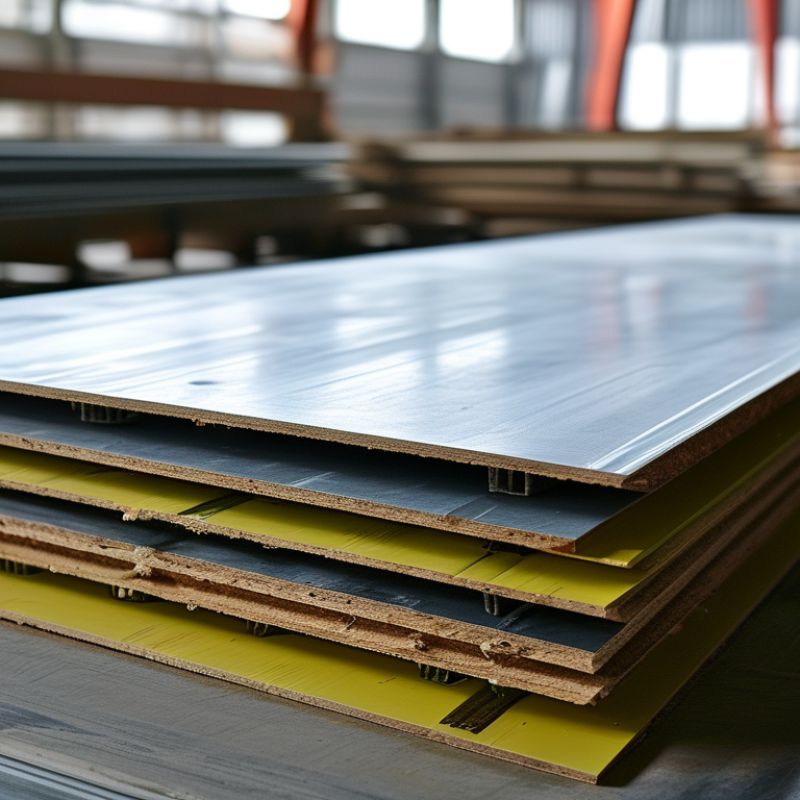
Plastic cladding sheets are innovative materials made from various types of plastics, designed for use in construction and design. They serve as protective layers over surfaces, providing durability and aesthetic appeal. These sheets can be used for facades, ceilings, and even partitions. According to a recent market report, the global plastic cladding market is projected to grow at a CAGR of 5% over the next five years. This demand reflects the increasing need for lightweight, weather-resistant building materials.
Their benefits are significant. Plastic cladding sheets are known for their resistance to moisture, chemicals, and UV rays. This makes them suitable for various environments, from residential buildings to commercial spaces. Additionally, they are easy to install and require minimal maintenance, which can lead to cost savings over time. However, challenges still exist, including potential environmental concerns related to plastic production and waste. The industry is now exploring more sustainable options such as recycled plastic sheets.
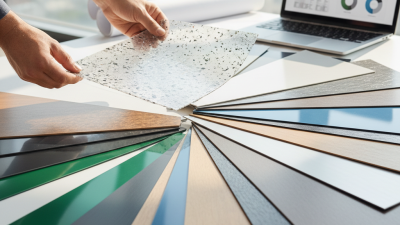
Understanding the properties of different plastics can help in selecting the right cladding for specific applications. With diverse styles available, from solid colors to textured finishes, designers can create unique looks. However, choosing the wrong type can lead to issues like warping or fading. Therefore, careful consideration is crucial. Balancing aesthetics with practicality is key in the modern building industry.
Types of Plastic Cladding Sheets Available in the Market
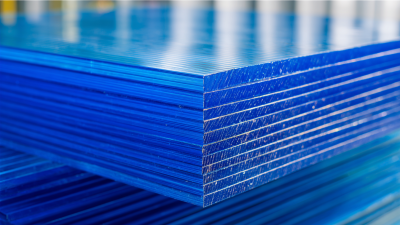
Plastic cladding sheets are an innovative building material gaining popularity in construction. They come in various types, each offering unique benefits. Key options include polycarbonate sheets, PVC sheets, and acrylic sheets. These materials are favored for their durability and versatility. Polycarbonate sheets provide exceptional impact resistance, making them ideal for areas needing extra protection. PVC sheets are lightweight and cost-effective, suitable for a range of applications.
Acrylic sheets are known for their clarity and aesthetic appeal, often used in decorative settings. Many users appreciate how easy these sheets are to install. However, it's important to note that improper installation can lead to various issues. For instance, inadequate sealing might result in water leaks over time. Each type has its own strengths and weaknesses, which requires careful consideration. The choice of material should align with specific project needs, taking into account both performance and cost factors.
Choosing the right cladding sheet can be challenging due to the variety available. It often leads to reflections on personal needs versus broader market options. For example, one might favor the lightweight nature of PVC but overlook its lower UV resistance. Detailed research and consultation with experts can help navigate these complexities. Understanding these materials deeply is essential for achieving the best outcomes in any construction project.
Types of Plastic Cladding Sheets and Their Market Share
Key Benefits of Using Plastic Cladding Sheets
Plastic cladding sheets are an increasingly popular choice in construction and design. These lightweight materials offer several key benefits. They are resistant to weather, UV rays, and moisture, making them ideal for various environments. According to a report by MarketsandMarkets, the global cladding market is projected to reach $301.72 billion by 2028, signifying a strong trend toward durable materials like plastic.
One of the most notable advantages of plastic cladding sheets is their low maintenance. Unlike traditional materials, they do not require painting or sealing. This reduces long-term costs for homeowners and builders alike. Moreover, plastic sheets come in diverse colors and finishes, allowing for flexibility in design. A study from the American Institute of Architects reveals that aesthetics significantly contribute to property value, implying that these sheets can enhance visual appeal while being cost-effective.
However, the reliance on plastic can pose environmental questions. The production and disposal of plastic materials might not be sustainable in the long run. This perspective indicates a need for ongoing innovation in recycling and alternative materials. Balancing the benefits of plastic cladding with environmental considerations remains a challenge for the industry. Real-world applications show promise, yet they also reveal areas for improvement.
Applications of Plastic Cladding Sheets in Various Industries
Plastic cladding sheets have found diverse applications across various industries due to their versatility and durability. These sheets are commonly used in construction for wall cladding and roofing. Their resistance to moisture and chemicals makes them ideal for kitchens and bathrooms. Many contractors prefer them for their lightweight nature, which simplifies installation.
In the agricultural sector, plastic cladding sheets serve as effective greenhouse covers. They provide adequate light transmission while protecting plants from harsh weather. These sheets help regulate temperature, contributing to better crop yields. However, some users have noted that prolonged exposure to UV light can deteriorate the sheets over time, leading to a need for replacements.
The automotive industry also utilizes plastic cladding sheets. They are employed in car interiors and exteriors to enhance aesthetics and reduce weight. However, maintaining the appearance of these sheets can be challenging, as they can scratch easily. Manufacturers continue to explore ways to improve durability while keeping costs low, which remains a critical focus.
Maintenance and Care for Plastic Cladding Sheets
When it comes to maintaining plastic cladding sheets, simple actions can make a significant difference. Regular cleaning is essential. Use a soft brush or a cloth with mild soap and water to remove dirt. Avoid abrasive cleaners; they can scratch the surface. Cleaning should be done every few months to keep the cladding looking fresh.
Inspecting the sheets regularly is vital. Look for signs of damage, such as cracks or fading. These issues can develop over time due to UV exposure. If you notice any damage, addressing it promptly can prevent bigger problems later. Consider applying a UV protectant to prolong the lifespan of the sheets.
Additionally, be mindful of heavy objects leaning against the sheets. This can cause stress and lead to warping. While plastic cladding is durable, it’s not invincible. Even small mistakes in care can impact performance and appearance. With proper maintenance, plastic cladding sheets can provide long-lasting benefits for your space.