2026 How to Install Pvc Cladding Sheets Effectively?
When it comes to home improvement, “Pvc Cladding Sheets” are becoming increasingly popular. They offer a stylish and durable solution for walls and ceilings. Installing these sheets can enhance the aesthetic appeal of any space. However, the process requires careful planning and execution.
To achieve the best results, understanding the installation techniques is essential. Many homeowners underestimate this task. Choosing the right tools and materials can make a significant difference. It’s important to measure accurately and prepare your surfaces effectively. Small errors can lead to larger issues later on.
Patience is key during this project. Rushing can cause mistakes, such as misaligned sheets or uneven seams. While Pvc Cladding Sheets are user-friendly, they still require attention to detail. Embrace the process as an opportunity for creativity and improvement. Remember, even experienced DIYers may face challenges. Learning from these experiences is part of the journey.
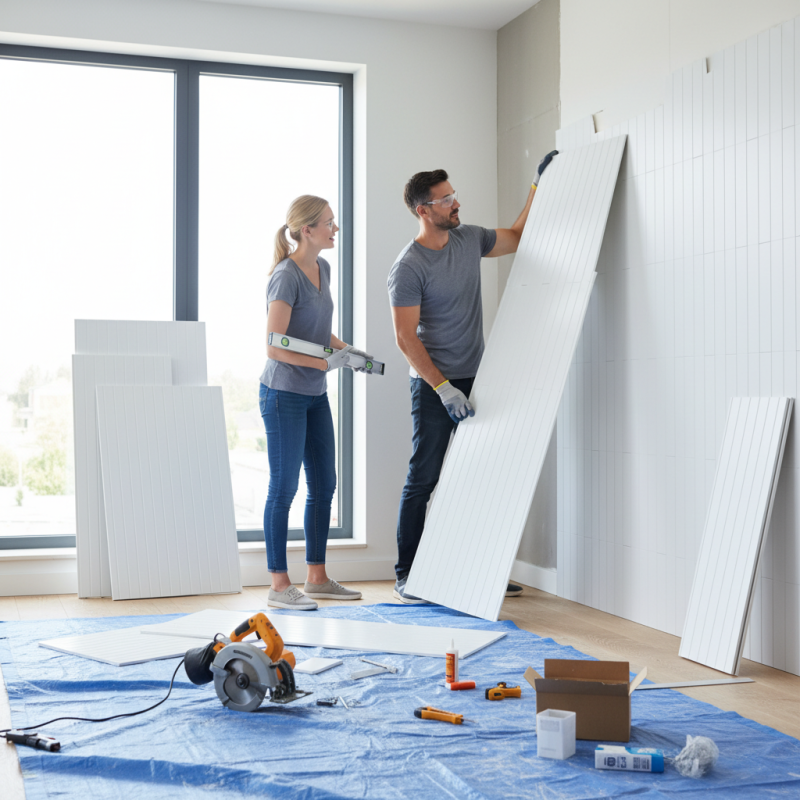
Understanding PVC Cladding Sheets and Their Benefits
PVC cladding sheets are increasingly popular due to their versatility and durability. These sheets offer a range of benefits, making them an ideal choice for various applications. For instance, they are water-resistant and easy to clean, which is crucial for areas exposed to moisture, like bathrooms and kitchens. According to a recent report, the global PVC market is expected to grow by 4% annually, reflecting the rising preference for materials that require low maintenance.
Installing PVC cladding sheets can significantly enhance insulation, potentially reducing energy costs by up to 20%. Homeowners appreciate their affordability and ease of installation, but some caution is necessary. If not properly installed, gaps can occur, leading to moisture build-up. Ensure you check all fittings and seams before completing the project.
Tips: Always use appropriate adhesive and tools for a smoother installation process. Measure each wall carefully before cutting the sheets to avoid waste. Remember, the colors might vary slightly between batches, so it’s wise to buy all sheets at once. The aesthetic appeal of PVC can be undermined if the finishes are inconsistent. Consider your options and plan thoroughly to avoid frustrations.
Benefits of PVC Cladding Sheets
This chart illustrates the various benefits of PVC cladding sheets rated from 1 to 10. The higher the score, the more significant the benefit, highlighting durability as a key advantage.
Tools and Materials Required for Installing PVC Cladding
When it comes to installing PVC cladding sheets, having the right tools and materials is crucial. High-quality PVC sheets can enhance durability. According to industry reports, properly installed cladding can last up to 25 years. A selection of key tools can simplify the process significantly. You will need a measuring tape, a utility knife, a level, and adhesive or screws. Don’t overlook the necessity of safety goggles and gloves.
Accurate measurements are essential. A slight miscalculation can lead to wasted materials. Ensure you have a good quality silicone sealant for the edges. Some users find that a caulking gun is a handy tool for this. Interestingly, many installers forget to factor in expansion gaps. PVC can expand with heat, so planning for movement is essential.
Additionally, good lighting during installation can make a difference. Poor visibility can result in errors. Some inexperienced installers struggle with aligning sheets correctly. Attaching sheets can be tricky, especially in corners. Practice patience and take your time. This helps avoid a rushed job that might lead to mistakes.
Step-by-Step Guide to Preparing the Installation Area
When preparing the installation area for PVC cladding sheets, start by clearing the space. Move all furniture and obstacles. Remove any old wall coverings or debris. Ensure the surface is clean. This step is crucial. A dirty or uneven surface can lead to poor adhesion.
Next, inspect the walls for damage. Look for cracks or holes. Fill these imperfections with a suitable filler. It’s essential to have a smooth, even surface. If your walls are uneven, consider sanding them down. This might take more time, but it’s worth it. Also, check for moisture. Damp areas can cause issues later. Use a moisture meter if needed.
Once the area is ready, consider measuring your space carefully. Mistakes in measurements can create gaps. Take your time. Planning is key, but it's easy to rush. Make a few sketches to visualize the placement. Those sketches can be helpful when cutting the sheets. Remember, small oversights can lead to significant setbacks during installation.
2026 How to Install Pvc Cladding Sheets Effectively? - Step-by-Step Guide to Preparing the Installation Area
| Step Number |
Preparation Task |
Tools Required |
Estimated Time |
| 1 |
Measure the area for installation |
Tape Measure, Pencil |
30 minutes |
| 2 |
Gather required materials |
PVC Cladding Sheets, Adhesive |
1 hour |
| 3 |
Prepare the surface |
Sander, Cleaner, Cloth |
1 hour |
| 4 |
Apply adhesive |
Notched Trowel |
30 minutes |
| 5 |
Install PVC cladding sheets |
Level, Hammer |
2 hours |
| 6 |
Seal edges and joints |
Sealant, Caulking Gun |
1 hour |
| 7 |
Clean the installation area |
Broom, Cloth |
30 minutes |
Methods for Properly Installing PVC Cladding Sheets
Installing PVC cladding sheets can seem straightforward, but proper methods are crucial for achieving lasting results. According to industry reports, correct installation can extend the lifespan of your cladding by up to 30%. One effective approach is to ensure a clean, dry surface before starting. Dust, moisture, or grease can hinder the adhesive’s effectiveness.
It’s also essential to utilize the right tools. A sharp utility knife will provide precise cuts, while a level ensures your sheets are perfectly aligned. Many installers overlook proper spacings. Leaving appropriate gaps allows for expansion and contraction due to temperature changes. This oversight often leads to warping or cracking over time.
Tips: Always double-check measurements. Small errors can lead to significant issues later. Also, consider pre-drilling holes to avoid cracking during installation. Make sure to use corrosion-resistant fasteners, especially in humid environments. Reflect on your method regularly to improve installation techniques. Evaluate what’s working and what needs adjustment. Continuous learning is key in this field.
Maintenance Tips for Long-lasting PVC Cladding Finish
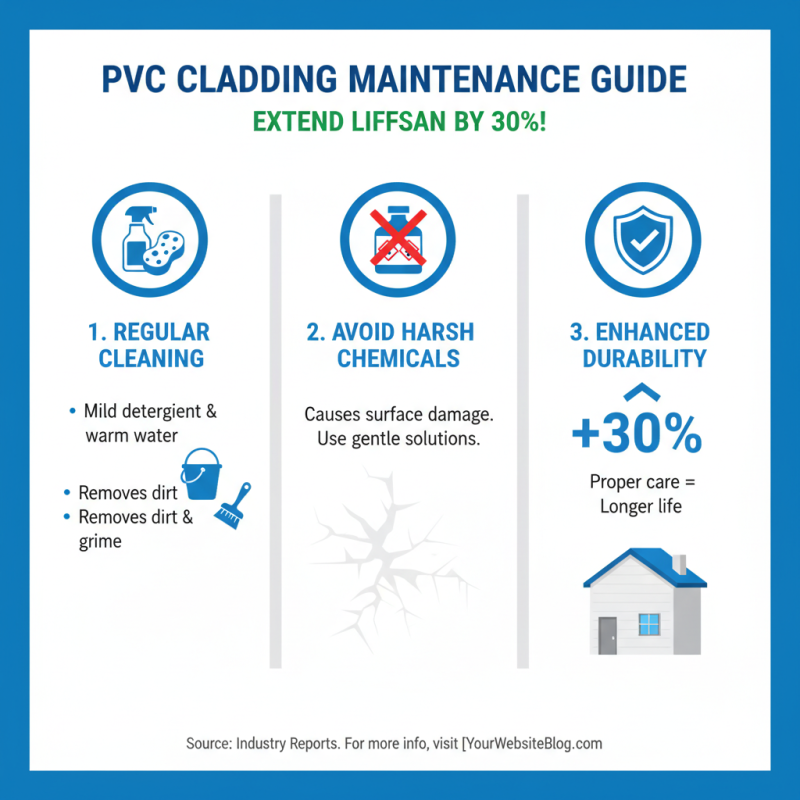
When it comes to maintaining PVC cladding sheets, the right approach can extend their lifespan significantly. According to industry reports, proper maintenance can enhance durability by up to 30%. Regular cleaning is essential. Use a mild detergent and warm water to clear dirt and grime. Avoid harsh chemicals. These can damage the surface.
Inspect your cladding every few months. Look for signs of wear like fading or scratches. Addressing these issues early can prevent expensive repairs later. A protective sealant can also help maintain finish and prevent discoloration. However, remember that applying it incorrectly can lead to uneven surfaces.
Consider environmental factors as well. Extreme temperatures can affect the integrity of PVC. Keeping cladding clear of debris helps minimize moisture retention. Lastly, even with the best care, imperfections may occur. Reflecting on these moments helps improve future maintenance efforts. Balancing aesthetics and functionality is key to preserving your investment.