How to Choose Pvc Wall Cladding for Your Home?
When choosing PVC wall cladding for your home, it's crucial to know what sets it apart. According to a 2023 industry report, PVC wall cladding is becoming a popular choice among homeowners. It offers durability, water resistance, and cost-effective solutions. In fact, market research indicates that the demand for PVC materials has grown by over 20% in recent years.
Selecting the right PVC wall cladding involves understanding your needs and preferences. While the aesthetic appeal is key, functionality matters too. A study showed that 70% of homeowners prefer low-maintenance materials. This makes PVC an attractive option, as it requires minimal upkeep compared to traditional wall coverings.
However, it’s important to consider the environmental impact. PVC production has raised concerns in the green building community. Not all PVC products are created equal, and not all manufacturers adhere to sustainable practices. Reflecting on these aspects can guide you to make a more informed choice. By weighing the pros and cons, you can find a PVC wall cladding solution that enhances your home and aligns with your values.
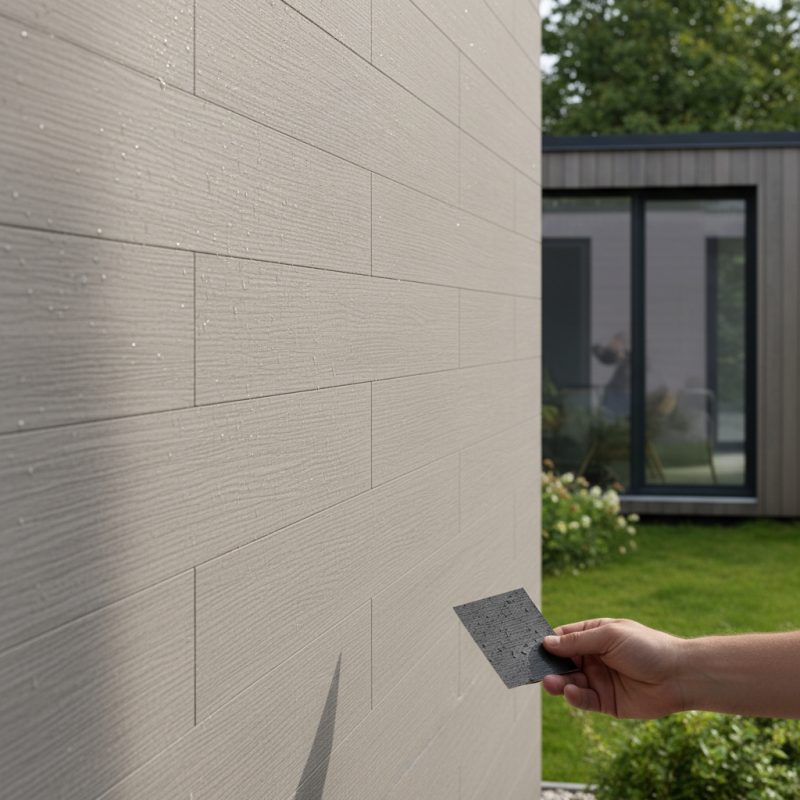
Understanding PVC Wall Cladding: Types and Benefits
PVC wall cladding offers a stylish and practical solution for home interiors. It comes in various types, each serving different aesthetic and functional purposes. Some options mimic natural materials like wood or stone. This versatility makes it suitable for diverse styles, from modern to rustic.
One major benefit of PVC wall cladding is its durability. It resists moisture, making it ideal for bathrooms and kitchens. Unlike wood, it won’t warp or rot over time. However, some people may overlook its environmental impact. While it's low maintenance, the production process can raise concerns.
Another advantage is the ease of installation. Many PVC panels can be mounted directly over existing walls. However, this might not always provide a perfect finish. Careful planning is necessary to avoid visible seams. In the end, while PVC wall cladding has many benefits, it's essential to weigh them against potential drawbacks.
How to Choose PVC Wall Cladding for Your Home? - Understanding PVC Wall Cladding: Types and Benefits
| Type of PVC Wall Cladding |
Thickness |
Benefits |
Common Uses |
| Standard PVC Panels |
5mm - 10mm |
Water-resistant, easy to clean, lightweight |
Kitchens, bathrooms, and living spaces |
| Textured PVC Panels |
8mm - 12mm |
Aesthetic appeal, durable, soundproofing properties |
Commercial spaces, offices |
| Foamed PVC Panels |
10mm - 20mm |
High insulation, impact resistance, versatile |
External cladding, signage |
| PVC Wall Panels with Decorative Coating |
4mm - 8mm |
Variety of finishes, easy installation |
Home interiors, accent walls |
Factors to Consider When Choosing PVC Wall Cladding
When choosing PVC wall cladding for your home, several key factors demand your attention.
The thickness of the panels is crucial. Thicker panels often provide better durability and insulation.
Industry reports suggest that panels ranging from 5mm to 10mm are generally considered ideal for residential use.
This ensures a balance between sturdiness and ease of installation.
Another important consideration is the design and color.
PVC cladding comes in various styles to suit different interiors. Homeowners should choose colors that not only match their decor but also influence the ambiance of a room.
Bright colors can make a space feel larger, while darker shades may offer a cozy feeling.
Remember, light colors require more maintenance than darker ones.
Tip: Always check for UV resistance. Quality cladding should resist fading and degradation over time.
Many studies indicate that lower-quality claddings fade significantly after only a few years of sunlight exposure. Take your time to weigh these factors.
It’s important to reflect on your long-term vision for your home. Choosing the right PVC wall cladding can profoundly affect not only aesthetics but also maintenance and longevity.
Assessing Aesthetic and Design Preferences for PVC Cladding
When selecting PVC wall cladding, aesthetic and design preferences play a crucial role. Consider the overall theme of your home. Do you prefer a modern or traditional look? The color palette is essential. Bright colors can add vibrancy, while neutral tones offer a calming atmosphere. Each choice has its implications. It is easy to get caught up in trends, but what fits your personal style?
Texture can also influence your design decision. Smooth finishes create a sleek feel. In contrast, textured options add depth and interest to a space. Think about the combination of elements in your room. An eclectic mix can appear cluttered if not carefully planned. Reflect on your choices and how they impact the overall ambiance.
Don't underestimate the importance of light. Natural light can enhance colors and textures. Test cladding samples in different lighting conditions. It’s worth the effort. Remember that your choices should reflect your taste and lifestyle. Take your time to explore options. A hasty decision might lead to regrets later on.
How to Choose PVC Wall Cladding for Your Home?
Evaluating Durability and Maintenance of PVC Wall Cladding
When choosing PVC wall cladding, durability is a primary concern. Studies show that high-quality PVC materials can last over 20 years without significant wear. A report by the American Society for Testing and Materials highlights that PVC cladding exhibits resistance to moisture, rot, and insects, making it a preferred choice for various climates. However, factors like UV exposure can cause fading. Regular maintenance can mitigate these issues. Cleaning with soap and water can enhance the lifespan of your PVC cladding.
Maintenance is another crucial aspect. While PVC cladding requires less upkeep than wood or drywall, it is not entirely maintenance-free. Some experts suggest inspecting for scratches or dents regularly. A report from Home Improvement Research Institute indicates that homeowners often overlook minor damages, which can lead to larger issues. Simple touch-ups can help maintain the aesthetic appeal of your walls.
In conclusion, understanding the balance between durability and maintenance is vital. Choosing the right type of PVC can save time and money in the long run. Focus on quality to enjoy the benefits that PVC wall cladding has to offer.
Budgeting for Installation and Long-Term Costs of PVC Cladding
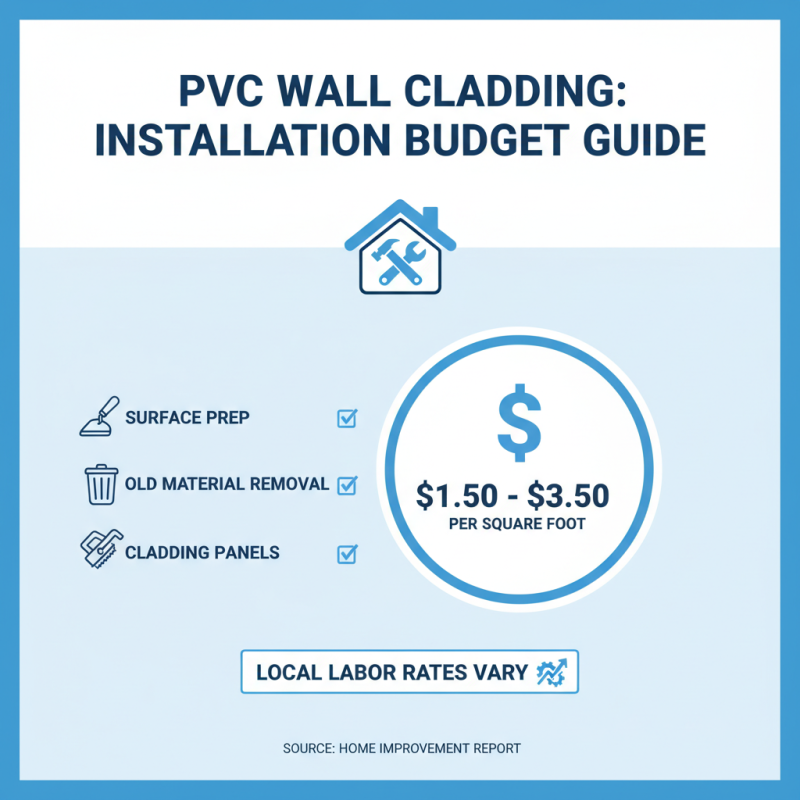
When considering PVC wall cladding, budgeting is crucial. Installation costs can vary significantly based on local labor rates. According to a recent home improvement report, the average installation costs range from $1.50 to $3.50 per square foot. This budget should include preparation of the wall surface, removal of old materials, and the cladding itself.
Long-term costs also need to be factored in. PVC cladding, while low maintenance, can require some upkeep. It’s essential to allocate funds for cleaning and occasional repairs. A study indicated that homeowners could expect about $200 annually for these purposes.
In addition, energy efficiency savings can enhance the long-term value. PVC cladding provides insulation, which may reduce heating and cooling costs. However, remember that initial installation might strain your budget. It is wise to keep an open attitude. Balancing quality and cost is often a learning curve.