How to Choose PVC Wall Cladding for Your Home?
Choosing the right PVC wall cladding for your home can feel overwhelming. With various designs and materials available, the decision is crucial. Industry expert Mark Johnson states, "The right wall cladding can redefine your space." This highlights the importance of careful selection.
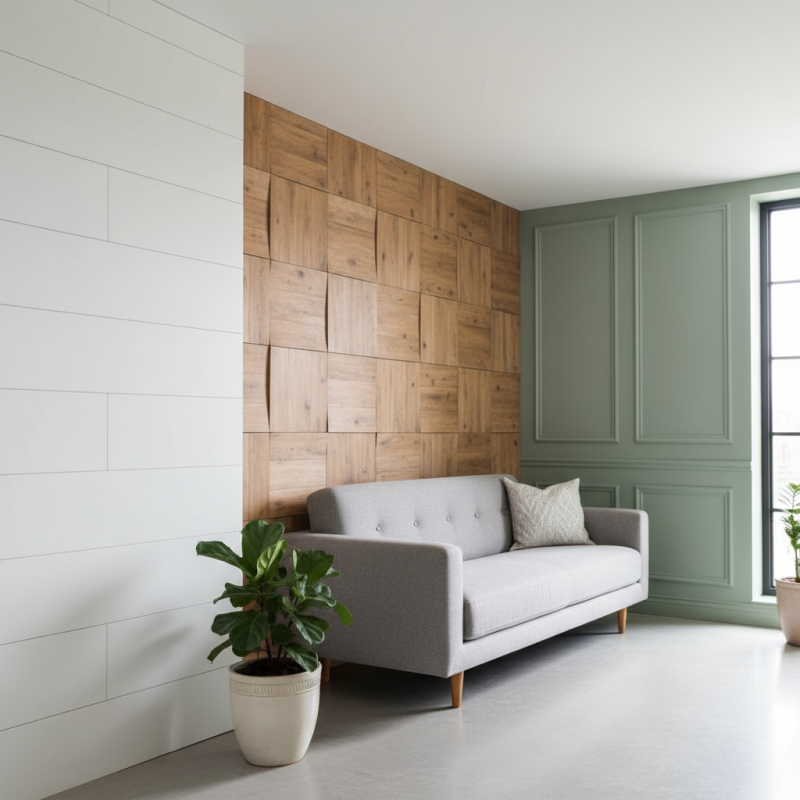
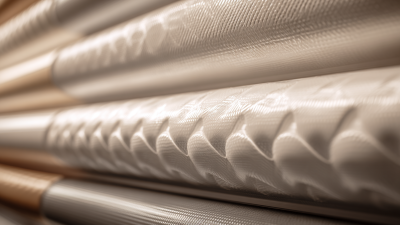
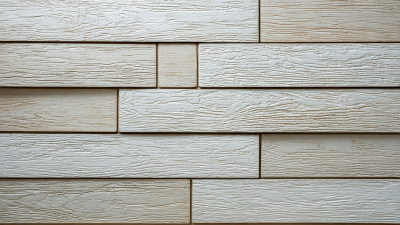
When considering PVC wall cladding, think about texture and color. The options are vast, but not all will suit your style or needs. Perhaps you want a modern look or something more traditional. Cladding can influence the atmosphere of a room significantly.
Quality is essential. Some products may look appealing but fail to deliver on durability. Always check reviews and consider the long-term implications of your choice. PVC wall cladding should not only enhance aesthetics but also stand the test of time. Reflect on how your choice will impact your home.
Understanding PVC Wall Cladding: Types and Benefits
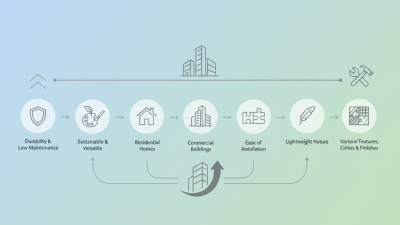
PVC wall cladding has gained popularity in home design due to its versatility and durability. It comes in various types, each catering to different aesthetic preferences and functional needs. For instance, tongue-and-groove panels provide a seamless finish, while decorative sheets enhance visual appeal. According to a report by Grand View Research, the global PVC cladding market is expected to reach $10 billion by 2027. This growth reflects increasing demand for low-maintenance solutions.
When considering PVC wall cladding, benefits abound. It is resistant to moisture, which helps prevent mold growth. Additionally, many types come with UV resistance, maintaining their color and vibrancy over time. A study by Statista indicates that the lifespan of high-quality PVC cladding can exceed 25 years. However, installation practices matter greatly. Improper installation can lead to issues like warping or peeling. Homeowners should invest in skilled professionals to ensure a proper fit.
Yet, the environmental impact of PVC is worth considering. Although it offers durability, its production involves fossil fuels. Recycling options exist, but they are limited. This complexity invites reflection on sustainability in home renovations. As consumers seek aesthetically pleasing and long-lasting materials, awareness of environmental responsibility remains essential. The choices made today shape both our living spaces and the planet's future.
Assessing Your Home’s Requirements for PVC Wall Cladding
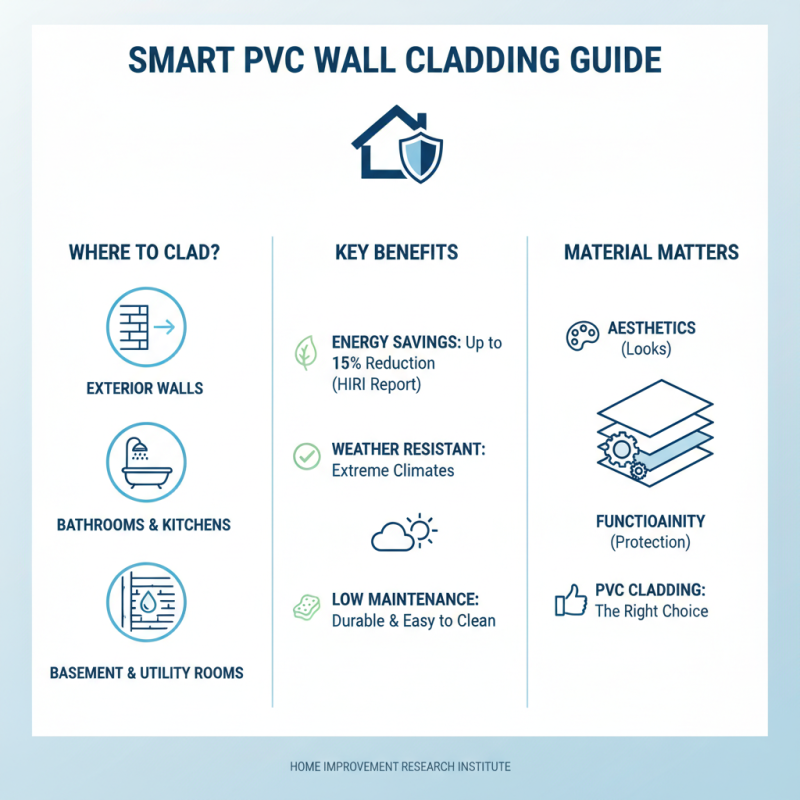
When assessing your home’s requirements for PVC wall cladding, consider the specific areas where cladding will be installed. The choice of material impacts both aesthetics and functionality. According to a recent report by the Home Improvement Research Institute, the right cladding can reduce energy consumption by up to 15%. This is significant in climates with extreme weather conditions.
Evaluate the moisture levels in your area. Homes in humid environments benefit from PVC cladding due to its resistance to mold and mildew. The National Association of Home Builders mentions that moisture-resistant materials can prolong the lifespan of your walls. Additionally, think about insulation properties. Not all PVC cladding offers the same thermal insulation. Some products may require extra insulation for colder regions.
Take into account the maintenance needs. While PVC is generally low-maintenance, some finishes require periodic washing to avoid dirt buildup. This might be overlooked in initial assessments, but it can affect long-term satisfaction. If your home faces high-traffic areas, durability becomes paramount. A 2022 study showed that thicker cladding performs better against impacts. Keep this in mind when making your selection.
Evaluating Aesthetic Choices: Colors and Patterns
When selecting PVC wall cladding, colors and patterns are crucial. They create a room's atmosphere. Light colors can make spaces feel larger. Darker shades add warmth and depth. Think about the room’s purpose. A bright kitchen may benefit from cheerful hues. Soft tones can evoke calmness in bedrooms.
Patterns enhance the appeal of plain walls. Geometric designs offer a modern touch. Floral prints can bring a vintage vibe. However, too much pattern can overwhelm a space. It’s essential to strike a balance. Consider how patterns interact with furniture. A clash can create visual chaos.
Sometimes, personal taste can lead to impulse decisions. Reflect on how your choices fit the overall aesthetics. Ask for opinions from friends or family. Their insights might help you see things differently. Experimenting with samples can prevent costly mistakes later. Visualizing how colors and patterns will look together is key.
How to Choose PVC Wall Cladding for Your Home? - Evaluating Aesthetic Choices: Colors and Patterns
Considering Installation Methods and Professional Help
When choosing PVC wall cladding, considering installation methods is essential. Many homeowners are tempted to handle the installation themselves. However, studies show that 65% of DIY projects in home renovation end up needing professional help. Mistakes can lead to waste and higher costs.
Hiring professionals can ensure quality and longevity. They have the right tools and experience. In fact, a survey revealed that professionally installed PVC cladding lasts up to 20% longer than DIY installations. This durability can ultimately save money. It is crucial to weigh the upfront costs of hiring experts against potential future expenses due to repairs.
Before deciding, evaluate your own skills and the complexity of your project. Some aspects of installation require precision. For instance, accurate cutting and fitting are vital for a seamless look. Understanding this can help in making an informed choice. Consider seeking consultations even if you plan to DIY. Their insights can guide your decisions and save you from common pitfalls.
Maintenance Tips for Long-lasting PVC Wall Cladding
Maintaining PVC wall cladding is crucial for its longevity. Regular cleaning is the first step.
Use a mild detergent and water. A soft sponge works best. Avoid abrasive materials, as they can scratch and damage the surface. Rinse thoroughly with clean water after washing. This simple practice keeps the panels looking fresh.
Check the seams and edges regularly. Look for any gaps or signs of wear. If you find issues, fix them immediately. Small repairs can prevent larger problems later.
Occasionally, you may notice discoloration from sun exposure. If that happens, you may need to consider applying a UV protectant.
Don’t forget about moisture. While PVC is moisture-resistant, excessive humidity can lead to mold. Ensure proper ventilation in the room. If mold appears, clean it with a suitable cleaner.
Addressing these details is essential to keeping your cladding in good shape. Developing a routine maintenance schedule can help you stay on track.