How to Choose PVC Bathroom Wall Panels for Your Home?
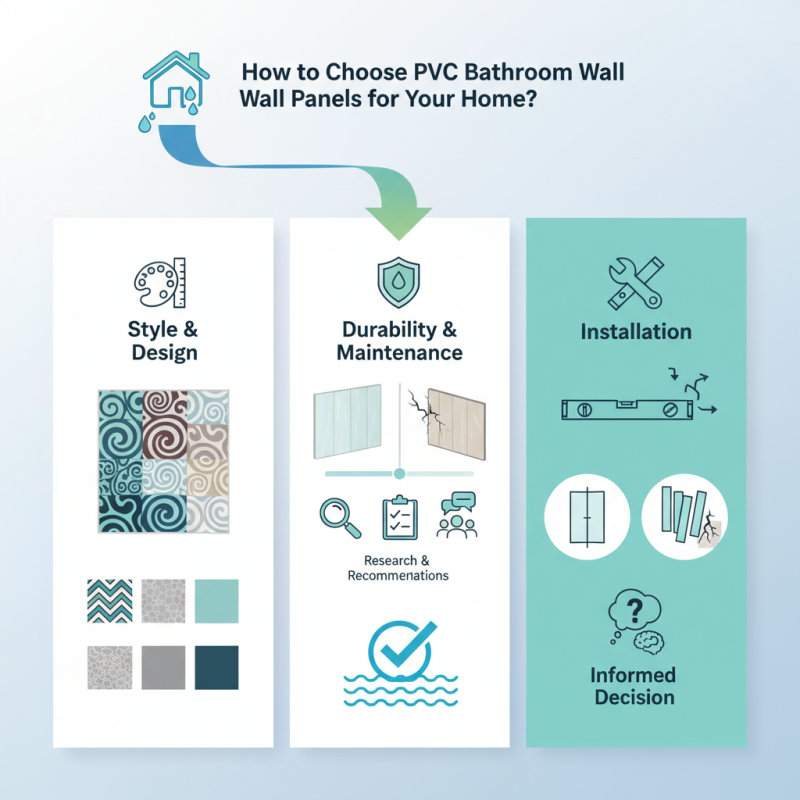
Choosing the right PVC bathroom wall panels is crucial for your home decor. These panels offer both style and functionality. They come in various designs and colors, making it easier to match your bathroom theme.
When selecting PVC bathroom wall panels, consider their durability and maintenance. They are water-resistant, which is essential for wet areas. Yet, not all panels are created equal. Some may fade or warp over time. It’s important to research brands and ask for recommendations.
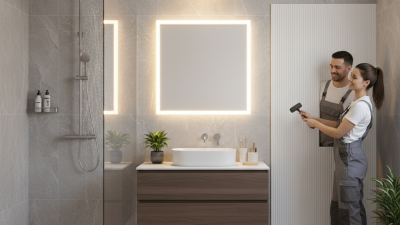
Additionally, installation can be a challenge for some. Even if panels are easy to put up, workmanship matters. An improper installation may lead to water damage later. Reflecting on these aspects will help you make a more informed decision on PVC bathroom wall panels.
Understanding PVC Wall Panels: Types and Benefits for Bathrooms
PVC wall panels are an increasingly popular choice for bathroom renovations. Their lightweight nature makes them easy to install, even for DIY enthusiasts. They come in various designs, including wood-like finishes and glossy colors, allowing for personalized aesthetics. Furthermore, they are water-resistant, which is essential in a bathroom setting. This feature reduces the risk of mold and mildew, ensuring a healthier environment.
Different types of PVC panels cater to various preferences and budgets. Some have smooth surfaces for easy cleaning, while others feature textures for a modern look. However, it’s important to pay attention to the quality of the panels. Lower-quality options may fade or discolor over time. This could lead to disappointing results after installation.
When choosing PVC panels, consider the thickness and quality. Thicker panels generally offer better durability and insulation. Additionally, research and compare suppliers to ensure reliability. Sometimes, a detailed inspection of samples can reveal more about a panel’s construction and finish. Remember that while PVC panels offer many benefits, not all options on the market meet high standards. Proceed with caution to achieve the best outcome for your bathroom project.
Durability and Maintenance: Key Factors in Choosing PVC Bathroom Panels
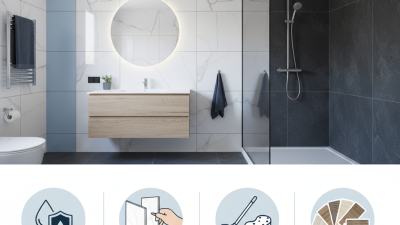
When selecting PVC bathroom wall panels, durability and maintenance are crucial. These panels must endure moisture, humidity, and temperature fluctuations. A study from the National Association of Home Builders reveals that water-resistant materials can extend a bathroom's lifespan by over 25%. This means choosing the right panels today may save you costly repairs in the future.
Durability goes beyond just water resistance. PVC panels are often made with enhanced materials that withstand impacts and scratches. Unlike traditional drywall, PVC is less likely to buckle or mold in humid conditions. A report by the Building Materials Association indicates that PVC can last up to 30 years with proper care. Regular cleaning with mild detergent can help maintain their appearance without damaging the surface.
However, not all panels are created equal. Some lower-quality options may fade or discolor over time, leading to an unsightly finish. It’s essential to assess the thickness and composition of PVC panels. Thicker panels often provide better insulation and stability. Many homeowners overlook details like these. Choosing wisely reflects your home's value and your comfort.
Aesthetic Considerations: Design Options for Your Bath Space
When choosing PVC bathroom wall panels, design options play a crucial role in transforming your space. Consider your bathroom's overall theme. A sleek modern look can benefit from glossy panels, while rustic styles may call for textured finishes. According to industry reports, 75% of homeowners prioritize aesthetic quality in their renovations. This shows that design is as important as functionality.
Texture is essential in creating visual interest. Panels come in various finishes, from smooth to embossed, providing choices to suit your taste. Bright colors can make the space feel larger. A neutral palette, on the other hand, offers a calm and soothing atmosphere. Remember, lighting can drastically change how colors appear. A poorly lit area may not showcase the wall panels' true beauty.
Tip: Don't shy away from mixing finishes. A combination of matte and glossy panels can create depth.
When it comes to patterns, geometric designs are trending. These can add a modern touch to classic bathrooms. Reports indicate that unique designs can increase home value by up to 15%. It's essential to maintain balance; too many patterns can overwhelm the space. Keep it simple to elevate the overall aesthetic without chaos.
Tip: Use samples to visualize your choice before full installation. This can prevent potential buyer's remorse and ensure a perfect match with your vision.
How to Choose PVC Bathroom Wall Panels for Your Home? - Aesthetic Considerations: Design Options for Your Bath Space
| Design Option |
Color Palette |
Texture |
Finish Type |
| Marble Effect |
White and Grey |
Smooth |
Glossy |
| Solid Colors |
Pastel Shades |
Matte |
Satin |
| Textured Panels |
Earth Tones |
Patterned |
Textured |
| Wood Effect |
Natural Wood |
Rough |
Matte |
Cost Analysis: Comparing PVC Panels with Traditional Materials
When considering the cost of PVC bathroom wall panels, it’s crucial to compare them with traditional materials like tile and drywall. The average cost of PVC panels ranges from $3 to $7 per square foot. In contrast, tile installation can reach $10 to $15 per square foot, not counting labor and grouting expenses. Labor costs for tiles are typically higher due to the complexity of installation.
A recent industry report indicates that homeowners might save up to 30% by choosing PVC over tile. This saving is significant when considering larger bathroom projects. Moreover, the durability of PVC, which is moisture-resistant and does not warp, can lead to lower maintenance costs over time. Traditional materials may require regular upkeep that adds to long-term expenses.
However, it is essential to reflect on the aesthetics. Some may view the appearance of PVC panels as inferior to the classic charm of tile. While cost-effective, PVC can sometimes lack the texture and depth that traditional materials provide. Balancing cost savings with design preferences can be challenging, making it necessary to weigh practical benefits against visual appeal. This decision can significantly impact the overall value of a home.
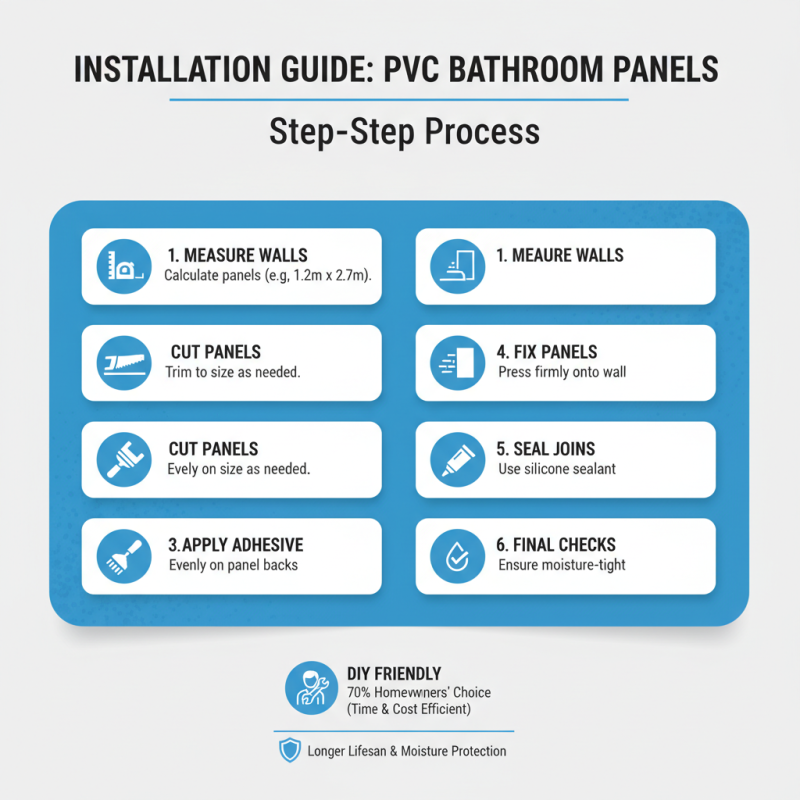
Installation Guide: Step-by-Step Process for PVC Bathroom Panels
Installing PVC bathroom wall panels can transform your space significantly. The process requires careful preparation and attention to detail. Start by measuring your bathroom walls accurately to determine how many panels you need. Typically, PVC panels come in sizes of 1.2m x 2.7m and can be cut for specific needs. Research shows that about 70% of homeowners prefer DIY installations due to time and cost efficiencies. Proper installation reduces potential moisture issues, enhancing the longevity of your panels.
Next, ensure your walls are clean and dry. Remove any existing fixtures, such as towel holders and light switches. It’s crucial to create a flat surface. If your walls are uneven, consider using a leveling compound. Remember, 30% of installation failures come from improperly prepared surfaces. Use an appropriate adhesive designed for PVC. Apply it evenly on the back of the panel. Press firmly against the wall, ensuring no air bubbles remain underneath. This step is vital for a good bond and a flawless finish.
Make sure to leave expansion gaps, especially in larger areas. Many experts recommend a gap of 5mm to prevent warping over time. Trim any excess panel edge for a neat appearance. Install the fittings back carefully, ensuring everything lines up correctly. Minor misalignments can lead to significant issues later. Regular maintenance, like wiping down the panels, can keep them looking fresh and functional. According to industry reports, well-maintained PVC panels can last over 15 years in moisture-prone areas.