How to Choose Plastic Cladding Sheets for Your Next Home Project
When embarking on a home improvement project, selecting the right materials is crucial to achieving both aesthetics and durability. Among the various options available, Plastic Cladding Sheets have gained popularity for their versatility and practicality. Offering a blend of style and functionality, these sheets can enhance the visual appeal of your home while providing essential protection against environmental elements.
Understanding the different types and features of Plastic Cladding Sheets is fundamental to making an informed decision. Factors such as thickness, texture, color, and UV resistance play a significant role in determining the overall performance and longevity of the chosen materials. Additionally, considering the installation process and maintenance requirements will help ensure that your investment stands the test of time.
In this guide, we will explore key aspects to keep in mind when choosing Plastic Cladding Sheets for your next home project. Whether you aim to revitalize your exterior, improve insulation, or create a modern interior space, following the right criteria will help you select the most suitable options to meet your needs.
Understanding Plastic Cladding Sheets: Material Types and Benefits
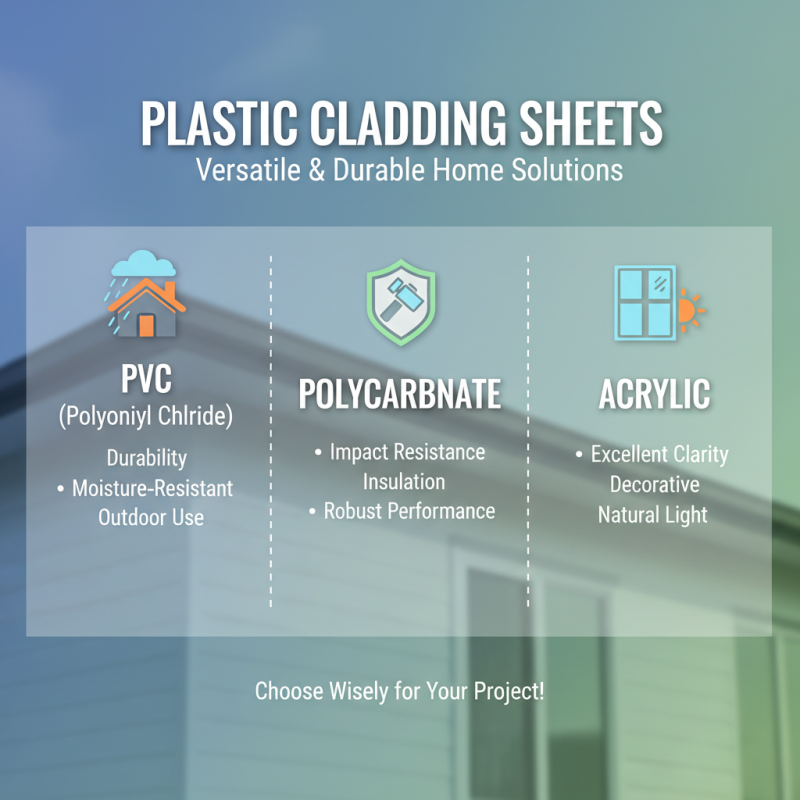
Plastic cladding sheets are a popular choice for home projects due to their versatility and numerous advantages. Understanding the various material types is essential for making an informed decision. Common types of plastic used in cladding sheets include polyvinyl chloride (PVC), polycarbonate, and acrylic. PVC cladding is known for its durability and resistance to moisture, making it ideal for outdoor applications. Polycarbonate, on the other hand, is favored for its superior impact resistance and insulation properties, perfect for areas that require more robust performance. Acrylic sheets offer excellent clarity and are often chosen for decorative purposes or to allow natural light into spaces.
The benefits of plastic cladding sheets extend beyond just material choices. Their lightweight nature simplifies installation and reduces the structural load on buildings. Additionally, plastic cladding is easy to maintain, requiring only occasional washing to keep it looking pristine. Most sheets are also available in a variety of colors and finishes, allowing homeowners to customize their aesthetic to match their design vision. Moreover, many plastic cladding materials are resistant to fading, ensuring that your project will maintain its vibrant appearance over time. This combination of practical advantages and aesthetic flexibility makes plastic cladding sheets a valuable option for any home renovation or construction project.
Key Factors to Consider When Selecting Plastic Cladding Sheets
When selecting plastic cladding sheets for your next home project, it's essential to consider several key factors to ensure you make the right choice. First and foremost, evaluate the material's durability and resistance to various environmental conditions. Different types of plastic offer varying degrees of strength and resistance to UV rays, moisture, and temperature fluctuations. Choosing a material that can withstand your local climate will ensure longevity and reduce the need for frequent replacements.
Another important factor to consider is the aesthetic appeal of the cladding sheets. Plastic cladding comes in a wide range of colors, textures, and finishes, allowing you to match the exterior of your home or create a distinctive look. Think about the overall design scheme of your home and how the cladding will complement or contrast with it. Additionally, ease of installation is crucial; some sheets may require specialized hardware or professional installation, while others are more user-friendly for DIY projects.
Lastly, consider the environmental impact of the plastic materials you choose. Look for options made from recycled materials or those that can be recycled at the end of their life cycle. By prioritizing sustainable choices, you not only contribute to environmental preservation but may also improve the overall value of your property. Each of these factors plays a significant role in achieving a successful and visually pleasing cladding installation.
Evaluating Aesthetic Options: Colors, Textures, and Patterns
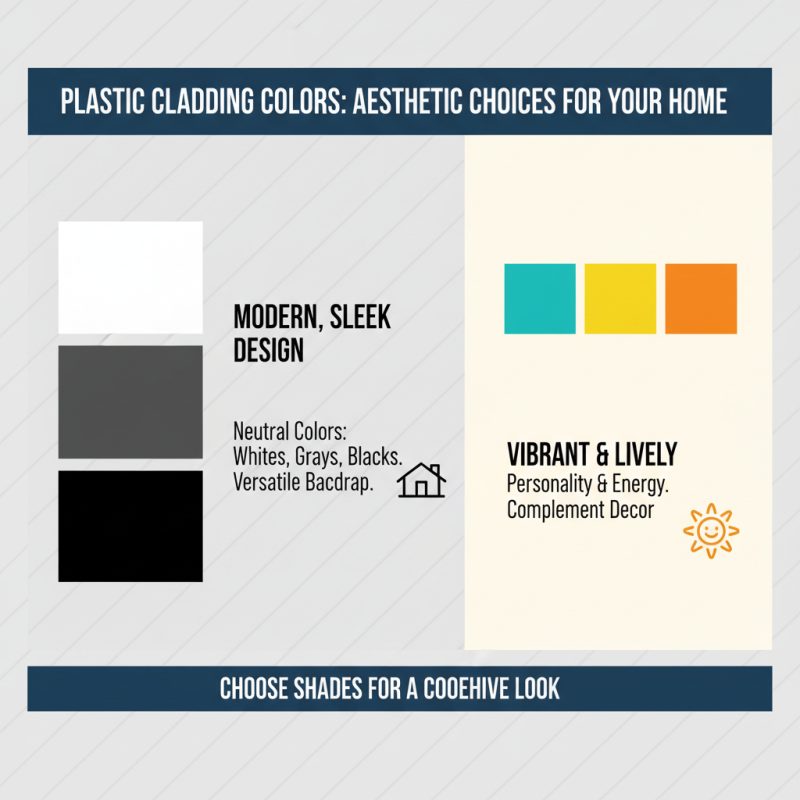
When selecting plastic cladding sheets for your home project, one of the primary considerations is the aesthetic appeal of the materials. The choice of colors can significantly influence the overall look of your space. For a modern, sleek design, neutral colors like whites, grays, and blacks are popular, providing a versatile backdrop that allows other design elements to shine. In contrast, vibrant colors can add personality and energy to a space, making it feel more inviting and lively. Choosing shades that complement surrounding fixtures and decor is essential for a cohesive visual effect.
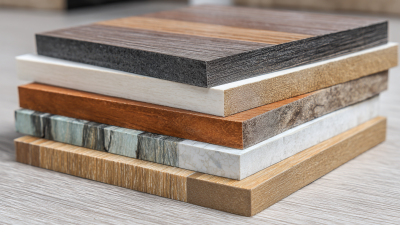
Textures and patterns further enhance the visual interest of plastic cladding. Smooth finishes offer a contemporary feel, making spaces feel larger and more airy. Conversely, textured surfaces can add depth and warmth, simulating the appearance of natural materials such as wood or stone. Patterns—ranging from geometric designs to floral motifs—can create dynamic focal points in your home. When evaluating these options, consider the lighting and dimensions of the area to ensure that your choices harmoniously blend and elevate the overall aesthetic of your project.
Assessing Durability and Maintenance Requirements of Plastic Sheets
When choosing plastic cladding sheets for your home project, it's essential to assess their durability and maintenance requirements. Plastic sheets can vary in thickness, strength, and overall performance under different environmental conditions. High-quality plastic sheets are resistant to fading, cracking, and warping, making them ideal for long-term use. When evaluating durability, consider the material's resistance to UV rays, moisture, and temperature changes, as these factors greatly affect longevity.
Tips: Look for sheets that come with a warranty or guarantee. This not only indicates the manufacturer's confidence in the product but also provides you with peace of mind regarding your investment. Additionally, always check for user reviews and case studies to understand how well the sheets hold up over time in real-world applications.
Maintenance is another critical aspect to consider. Many plastic sheets require little upkeep compared to traditional materials. However, basic cleaning with mild soap and water can prolong their appearance and functionality. It's also wise to inspect the cladding periodically for any signs of wear or damage.
Tips: Implement regular checks a couple of times a year, especially after harsh weather conditions. This proactive approach can help identify potential issues before they escalate, ensuring that your plastic cladding remains in great shape throughout its lifespan.
Cost Analysis: Budgeting for Plastic Cladding in Home Projects
When planning a home project that involves the installation of plastic cladding sheets, it’s crucial to conduct a thorough cost analysis to ensure your budget accommodates both the material and installation expenses. Plastic cladding, renowned for its durability and low maintenance, can often be a cost-effective alternative to traditional cladding materials such as wood or stone.
However, prices can vary significantly based on factors such as thickness, texture, and insulation properties. Homeowners should consider not only the upfront costs of the sheets but also the long-term benefits and potential savings on maintenance and energy bills.
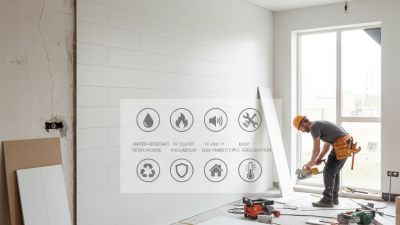
Additionally, installation costs should not be overlooked. While some homeowners may opt for DIY installation to save on labor costs, it’s essential to assess whether the necessary skills and tools are available. Professional installation, while more expensive, could provide peace of mind and guarantee that the cladding is applied correctly, avoiding potential issues down the line.
It's also wise to factor in any additional expenses such as fasteners, sealants, or underlayment that might be required for a successful installation. By creating a comprehensive budget that accounts for all these elements, homeowners can make informed decisions and choose the right plastic cladding sheets that align with their financial plans.