How to Choose the Best PVC Wall Panels 4x8 for Your Home?
Choosing the right materials for your home can be overwhelming. One popular option is PVC wall panels 4x8. These panels offer a blend of durability, style, and practicality. However, not all PVC wall panels are created equal.
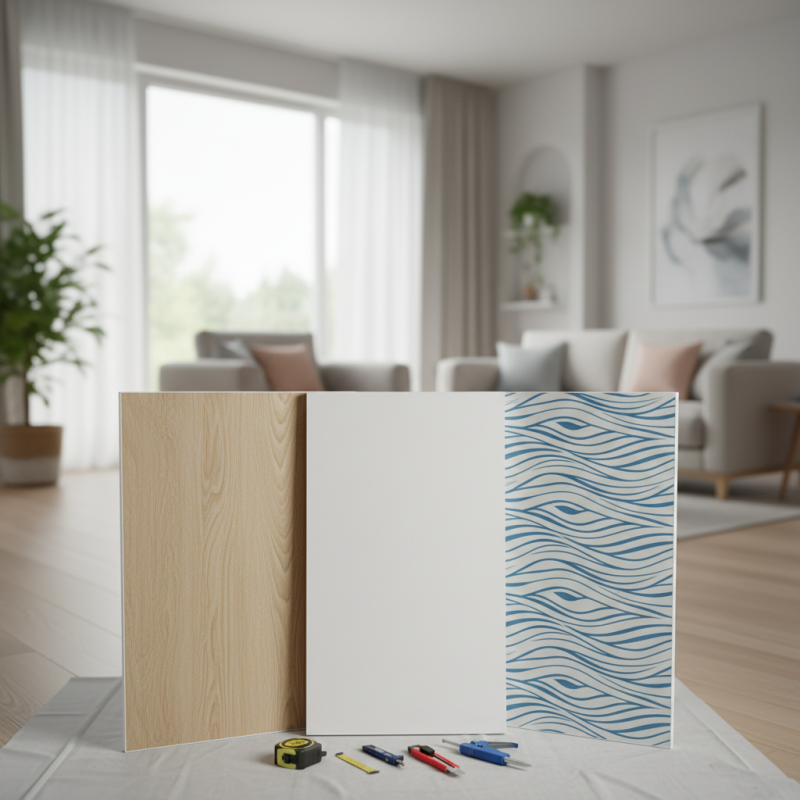
When selecting PVC wall panels 4x8, consider both the aesthetic appeal and functionality. Look for designs that complement your home decor. Texture and color can significantly impact the overall feel of a room. Thicker panels often provide better insulation and durability. However, weight can be a concern during installation.
Reflect on your specific needs as well. Will these panels be in a high-moisture area? If so, make sure they are waterproof. Pay attention to the installation process too. Some products claim to be easy to install, but may require specialized tools. Remember, what works for one person might not suit another. Make informed choices to create a space you'll love.
Understanding PVC Wall Panels: Material Types and Durability Factors
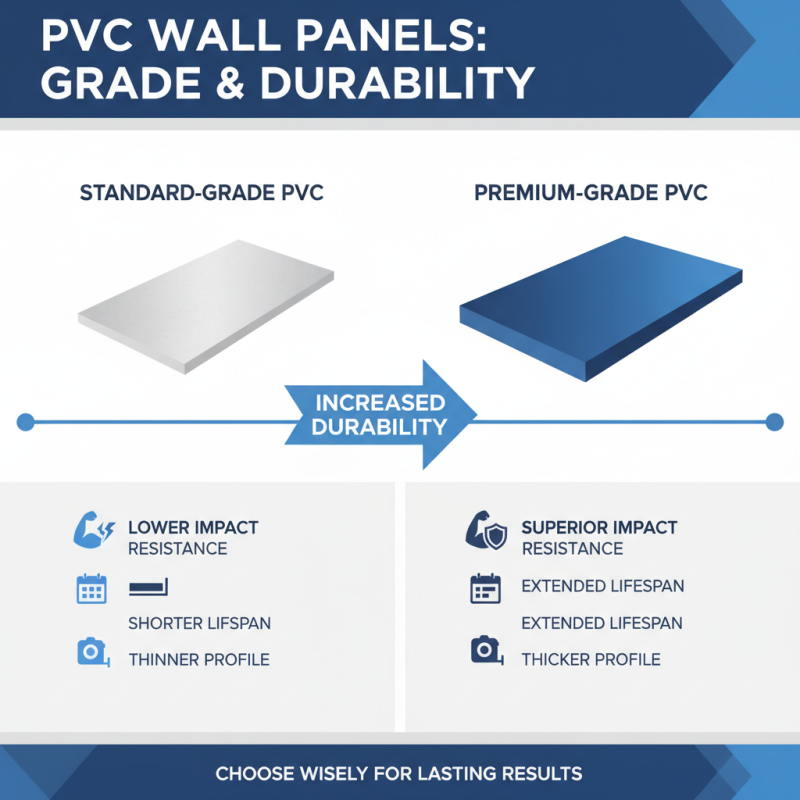
PVC wall panels are gaining popularity due to their versatility and durability. Understanding material types is crucial. There are several grades of PVC, and their properties can vary significantly. Higher-grade PVC panels often resist impact better and last longer. They usually have a thicker profile, which contributes to their durability.
Reports indicate that the lifespan of quality PVC panels can reach 20 years or more. This longevity can translate into cost savings over time, despite higher upfront costs. However, not all PVC is created equal. Lower-grade options may become brittle and discolored with age. They might not withstand moisture as well, causing potential damage.
Durability also depends on the installation process. Improper installation can lead to warping or gaps forming over time. It’s also essential to consider the environment where the panels will be used. Areas with high humidity or fluctuating temperatures may require specialized products. Ensure you know the specific needs of your space. Selecting the right material and installation method matters greatly for long-term satisfaction.
Evaluating the Aesthetics: Patterns, Textures, and Color Options
When selecting PVC wall panels, aesthetics play a crucial role.
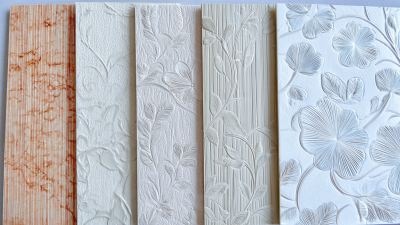
Patterns, textures, and color options can transform a space significantly.
According to industry reports, the demand for textured wall panels has risen by 30% in recent years.
Homeowners seek unique designs that reflect their personal styles.
Textured finishes often add depth, making a room feel more inviting.
Colors can make or break a home's ambiance.
In recent surveys, muted tones are favored for modern spaces, while bright colors find their place in creative environments.
However, too much color can overwhelm.
It’s essential to balance vibrant shades with neutral backgrounds.
One study highlighted that spaces using a limited color palette seemed more spacious and organized.
Pay attention to how color interacts with lighting throughout the day.
Patterns also warrant careful consideration.
Geometric designs can create a feeling of sophistication.
On the other hand, floral patterns may evoke warmth and comfort.
Yet, mixing patterns is challenging.
It can lead to visual chaos if not done thoughtfully.
A careful selection process, guided by current trends, can help ensure an eye-catching outcome.
Consider leaning towards classic designs for long-term appeal.
Measuring for Success: Dimensions and Installation Considerations
When measuring for PVC wall panels, precision is essential. Start by assessing the wall area you want to cover. Use a tape measure to determine the height and width of each wall section. Remember to account for doors and windows. Doubling back on measurements can help catch any mistakes, as errors can be costly.
Consider the installation process as well. PVC wall panels are lightweight, making them easy to handle. However, think about the layout before you begin. Some patterns may look better than others, depending on the size and shape of your walls. A design that feels balanced can enhance the overall room aesthetic. Don't rush; it's okay to take time for reflection during this phase.
After measuring, evaluate your findings. Are the dimensions perfect, or do they need adjustments? Sometimes, minor tweaks can significantly improve the end result. Keep in mind that uneven walls may require additional trimming. The entire task can be challenging, but planning ahead can pave the way for a stunning finish.
Assessing Cost vs. Quality: Budgeting for High-Performance Panels
When choosing 4x8 PVC wall panels, cost and quality are crucial. High-performance panels often come with a higher price tag. However, investing wisely can save you money in the long run. Durable materials resist moisture, preventing costly repairs later.
Consider your budget. Look for panels that strike a balance between price and performance. Check for warranties; they can indicate the manufacturer's confidence in their product. Don't overlook the long-term benefits of quality. Sometimes, cheaper options may lead to more expenses.
Tips: Measure your space accurately. This ensures you don’t buy too much or too little material. Explore different textures and finishes. They can significantly affect the look of your space without a huge price increase. Remember, paying more upfront could mean fewer headaches and costs down the line.
How to Choose the Best PVC Wall Panels 4x8 for Your Home?
| Type of Panel |
Cost (per panel) |
Material Quality |
Durability Rating |
Maintenance Level |
| Standard PVC |
$25 |
Good |
3/5 |
Low |
| High-Gloss PVC |
$30 |
Very Good |
4/5 |
Medium |
| Textured PVC |
$35 |
Excellent |
5/5 |
Low |
| Eco-Friendly PVC |
$40 |
Premium |
4/5 |
Medium |
Sustainability Insights: Eco-Friendly Options and Certifications
When considering PVC wall panels for your home, sustainability should be a top priority. Look for options that highlight eco-friendly materials. Some panels are made from recycled content. This reduces waste and lessens your carbon footprint. Not all panels are created equal. Some may contain harmful additives, while others focus on health and safety.
Certifications can guide your choice. Seek panels with reputable eco-labels. These indicate compliance with environmental standards. Many brands offer products that are free from harmful substances. However, not every certified product delivers as promised. Research is vital to ensure you select wisely. Connect with suppliers who are transparent about their sourcing and manufacturing processes.
The journey to find the right panel can be frustrating. Sometimes, choices can feel overwhelming. Materials might look similar but diverge significantly in eco-friendliness. Personal experiences differ, and what works for one might not work for another. So, always ask questions. It’s essential to stay curious about what goes into your home. Your choices matter not just for now, but for future generations as well.