How to Choose the Best PVC Wall Cladding for Your Home décor?
When it comes to enhancing your home décor, choosing the right PVC wall cladding is crucial. Experts agree that the aesthetics and functionality of cladding materials can significantly impact your living space. Renowned interior designer Jane Smith notes, "The right PVC wall cladding transforms a room, adding both style and practicality."
PVC wall cladding offers an array of choices, from textures to colors. These options allow homeowners to create unique atmospheres. However, selecting the best can be overwhelming. You need to consider factors like durability, maintenance, and design compatibility. Sometimes, what seems ideal may not suit your needs in the long run.
Additionally, it's important to reflect on your choices. Will the style hold up over time? Is it easy to clean and maintain? Asking these questions helps ensure your investment stands the test of time. Embracing the versatility of PVC wall cladding can lead to a beautiful, functional environment, but a thoughtful approach is essential.
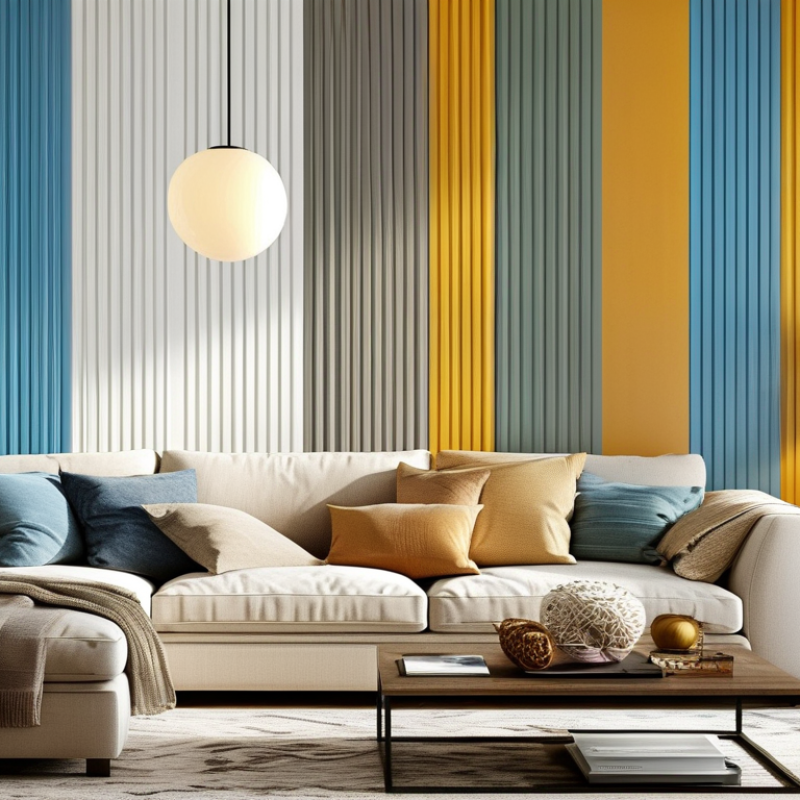
Factors to Consider When Choosing PVC Wall Cladding
When selecting PVC wall cladding, consider the space where it will be used. Is it a humid area like a bathroom or kitchen? Moisture resistance is crucial in these environments. Look for cladding specifically designed for high humidity. This choice protects against mold and extends the life of the material.
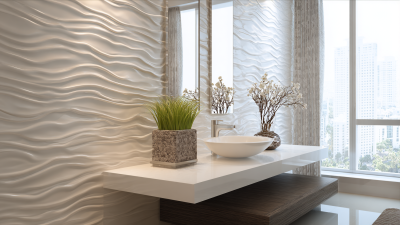
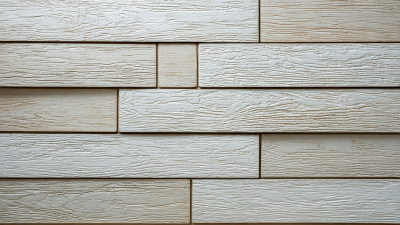
The aesthetic appeal should also play a significant role in your decision. Different colors, textures, and finishes can dramatically alter a room's ambiance. Visualize how the cladding will complement existing décor. If you have a modern style, sleek finishes work well. For more traditional spaces, wood grain finishes may be preferable.
Don’t overlook installation ease. Some products require professional help, increasing costs. Others can be a DIY project, making them more accessible. Assess your skills and resources before committing to a complex installation process. Remember to think about maintenance as well. While PVC is generally easy to clean, some finishes may show fingerprints or dust more readily. Balancing these factors requires thoughtful consideration and realistic expectations.
How to Choose the Best PVC Wall Cladding for Your Home Décor?
| Factor |
Description |
Considerations |
| Material Quality |
Durability and strength of the PVC material used. |
Look for high-grade PVC that is UV resistant and waterproof. |
| Design Options |
Variety of colors and textures available. |
Choose styles that match your home’s interior theme. |
| Installation Process |
Ease of installation for DIY projects or professional help. |
Select panels that come with clear instructions and require minimal tools. |
| Maintenance |
Level of upkeep needed to maintain appearance. |
Opt for cladding that is easy to clean and resistant to fading. |
| Cost |
Overall budget required for materials and installation. |
Compare prices while considering quality and features. |
| Environmental Impact |
Sustainability of materials used in manufacturing. |
Look for eco-friendly certifications or recycled materials. |
Types of PVC Wall Cladding Available for Home Décor
When choosing PVC wall cladding for home décor, understanding the types available is key.
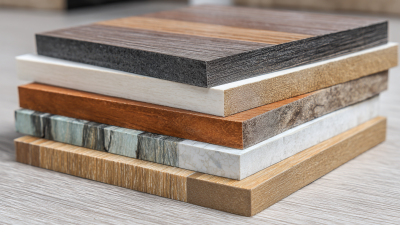
PVC cladding comes in a variety of styles, colors, and textures. Some options mimic natural materials like
wood and stone, offering an
elegant finish without the maintenance. Others provide a sleek, modern aesthetic,
perfect for contemporary spaces.
One popular choice is the tongue and groove paneling. This style creates a seamless look, ideal
for living rooms and entryways. For bathrooms and kitchens, waterproof options
with a glossy finish are beneficial. They resist moisture and are easy to clean.
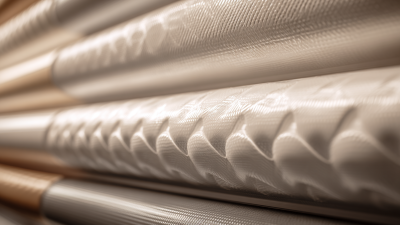
Textured finishes add depth and character, but they can be harder to maintain.
Consider the installation process as well. While some cladding types are easy to install,
others may require professional help. Misalignment or poor fitting can lead to future issues. Take time to visualize
how different styles will work in your space, as not all may suit your design intent.
Experimenting with samples can help you see what resonates with your personal style
and your home’s overall atmosphere.
Assessing the Durability and Maintenance of PVC Cladding
When choosing PVC wall cladding, assessing its durability and maintenance is crucial. PVC is generally resistant to moisture, making it a popular choice in humid areas like bathrooms and kitchens. However, not all PVC products are created equal. The quality can vary, so it's essential to consider the thickness and density of the material. Thicker panels tend to withstand wear better over time.
Regular maintenance of PVC cladding is relatively simple. A gentle wipe with a damp cloth and mild detergent usually suffices. However, neglecting regular cleaning can lead to a build-up of dirt and grime, diminishing the aesthetic appeal. Be cautious of using abrasive cleaners, as they can scratch the surface. While PVC is resistant to mildew, areas with poor ventilation may still experience issues.
Reflecting on the importance of installation can’t be overlooked. Improper installation can compromise the durability. Ensure that the panels are correctly aligned and secured. Some users may opt for DIY installation to save costs. However, this can sometimes lead to mistakes that affect the longevity of the cladding. Balancing cost and quality is essential for a long-term investment.
Durability and Maintenance Assessment of PVC Wall Cladding Options
Color and Design Options for PVC Wall Cladding
Choosing the right color and design for PVC wall cladding can transform your space. Consider the mood you want to create. Soft pastels are calming, while bold colors energize a room. You can mix and match colors to find the perfect balance. A feature wall in a striking hue can serve as a focal point, drawing attention and sparking conversation.
Design options for PVC wall cladding include textures and patterns. From wood grain finishes to sleek modern looks, the choices are vast. Some designs mimic natural materials, which may require less maintenance. Others offer geometric shapes, bringing a contemporary touch to your decor. However, it’s essential to consider how these designs complement your existing furniture and colors. Sometimes, a design might seem perfect but clash with the overall aesthetic.
Don't rush the decision. It's easy to get caught up in trends that quickly become outdated. Spend time visualizing how different colors and designs interact in your space. A cladding choice that feels right today may not resonate in years to come. Engaging with your space's essence will lead to better choices.
Installation Methods and Costs of PVC Wall Cladding
When considering PVC wall cladding, understanding installation methods is crucial. The two primary methods are direct glue application and using a batten system. The glue-down method offers a seamless finish, but it requires a smooth wall surface. This technique can sometimes result in issues if the wall is not prepared adequately. A batten system provides an easy way to manage uneven walls. However, it may involve additional materials and labor costs.
Installation costs vary significantly across regions and depending on complexity. On average, the cost of professional installation ranges from $3 to $7 per square foot. This does not include the material costs, which typically range from $1 to $5 per square foot. According to a report from the Construction Specifications Institute, improper installation can lead to higher long-term maintenance costs, emphasizing the importance of skilled labor.
Additionally, DIY installations can reduce costs but require an understanding of the material and technique. An estimated 40% of DIY users encounter problems during installation, highlighting the potential risks. Overall, weighing these factors will help homeowners make informed decisions about PVC wall cladding installation.